Don t let the pigeon books revolutionized children s literature
Table of Contents
- The Evolution and Cultural Impact of Don’t Let the Pigeon Books
- Origins and Inspiration Behind the Series
- Growth into a Multimedia Franchise
- Willems’ Storytelling Techniques and Humor
- Timeline of Key Milestones in the Series
- The Pigeon as an Iconic Figure in Children’s Media
- Cultural Phenomenon of the Pigeon’s Persistence
- Educational and Developmental Benefits of the Don’t Let the Pigeon Series
- Phonics, Vocabulary, and Reading Comprehension Development
- Interactive Techniques Encouraging Reader Participation
- Teaching Emotional Intelligence Through Persistence and Frustration
- Critical Thinking and Problem-Solving Through Narrative Challenges
- Adaptations for Diverse Learning Needs
- Developmental Milestones and Corresponding Pigeon Book Activities
- Creative and Interactive Elements: The Art and Innovation of Don’t Let the Pigeon Books
- Minimalist Illustrations: The Power of Color, Shape, and Facial Expressions
- Design Evolution: Subtle Changes in the Pigeon’s Appearance Across the Series
- Repetitive Structures and Rhythmic Reading
- Sound and Text: Onomatopoeia and Auditory Learning
- Humor and Absurdity as Pedagogical Tools
- Interactive Read-Aloud Guide: Recreating the Pigeon’s Voice and Mannerisms
- The Don’t Let the Pigeon Phenomenon: Merchandise, Adaptations, and Fan Culture
- Brand Expansion and Corporate Partnerships
- Merchandise Inventory and Design Inspirations
- Animated Adaptations and Media Appearances
- Educational Products and Interactive Learning
- Behind the Scenes: Mo Willems’ Process and the Making of the Don’t Let the Pigeon Books
- Balancing Text and Visuals in the Don’t Let the Pigeon Series
- Collaborative Efforts and Creative Challenges
- Researching the Pigeon: From Real Birds to Cartoon Antics
- Evolution of Tools and Technology in the Series
- Feedback from Readers and the Series’ Adaptive Growth
- Comparative Analysis: Willems’ Early Works vs. the Pigeon Series
- Activities and Extensions: Bringing Don’t Let the Pigeon to Life for Readers
- Hosting a "Pigeon Day" Event: Themed Crafts and Games
- DIY Activities Inspired by the Books
- Storytelling Circles and Original Interactive Tales
- Creative Writing Prompts Inspired by the Pigeon’s Antics
Mo Willems’ Don’t Let the Pigeon series burst onto the scene in 2003 with a simple premise: a persistent pigeon begging to drive a bus, read a bedtime story, or even go to school. What began as a single, deceptively playful book evolved into a multimedia empire, reshaping how children engage with stories through humor, interaction, and unforgettable characters. The pigeon’s relentless charm—equal parts comedic and exasperating—has made the series a staple in classrooms, libraries, and living rooms worldwide, proving that even the most stubborn birds can leave a lasting mark on pop culture.
The series’ success lies in its ability to blend education with entertainment, using minimalist illustrations and repetitive, rhythmic text to teach literacy, emotional intelligence, and critical thinking. Beyond the pages, the pigeon’s influence extends to animated shorts, merchandise, and even collaborations with brands like Disney, cementing its status as a cultural icon. Yet, the magic of Don’t Let the Pigeon books transcends their commercial appeal, offering layers of creativity and adaptability that continue to inspire educators, parents, and children alike. From behind-the-scenes insights into Willems’ process to fan-driven interpretations of the pigeon’s personality, the series remains a testament to the power of storytelling in its purest, most interactive form.

The Evolution and Cultural Impact of Don’t Let the Pigeon Books
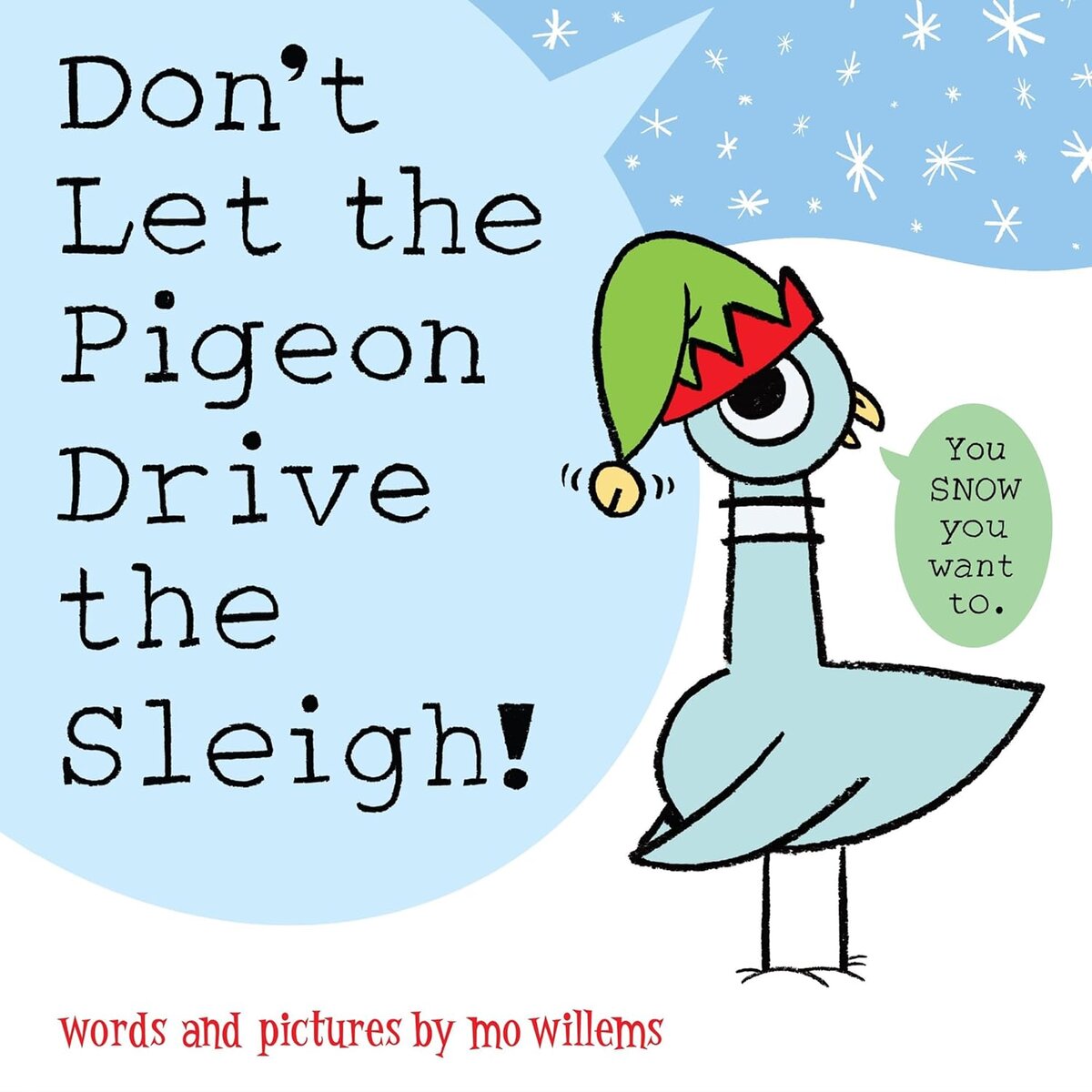
The Don’t Let the Pigeon series, created by Mo Willems, emerged as a groundbreaking contribution to children’s literature, blending humor, interactivity, and emotional depth. Inspired by Willems’ background in animation and theater, the series debuted in 2003 with Don’t Let the Pigeon Drive the Bus!, a book that redefined how children engage with storytelling. Unlike traditional picture books, Willems incorporated interactive elements, inviting young readers to participate directly in the narrative. This innovation not only captivated children but also positioned the series as a cultural phenomenon, influencing both literary trends and multimedia adaptations. The pigeon’s relentless persistence and expressive personality became a symbol of resilience and negotiation, resonating across generations.
The series’ cultural impact extends beyond its pages, evolving into a multimedia franchise that includes animated shorts, live theater performances, and merchandise. Willems’ signature style—characterized by minimalist illustrations, witty dialogue, and relatable themes—mirrors his earlier works like Elephant & Piggie, yet the pigeon’s character stands out for its universal appeal. The books’ longevity and relevance in children’s literature stem from their ability to adapt to new formats while retaining core elements of humor and interactivity.

Origins and Inspiration Behind the Series
Mo Willems drew inspiration for the Don’t Let the Pigeon series from his experiences in children’s television and theater, where audience participation was key. The first book, Don’t Let the Pigeon Drive the Bus! (2003), was published by Hyperion Books for Children and quickly gained traction for its unconventional format. Willems’ goal was to create a book that felt like a shared experience between the reader and the character, breaking the fourth wall in a way that was both playful and emotionally engaging. The pigeon’s character was designed to be persistently charming yet frustrating, embodying traits that children could relate to—such as determination and occasional stubbornness.
The series’ interactive nature was revolutionary. Willems included direct addresses to the reader, asking them to resist the pigeon’s pleas, which turned passive reading into an active game. This approach not only made the books more fun but also reinforced early literacy skills by encouraging engagement. Willems’ background in animation, particularly his work on Sesame Street, informed the pigeon’s expressive facial animations and body language, making the character feel alive on the page.
Growth into a Multimedia Franchise
The success of Don’t Let the Pigeon Drive the Bus! led to a rapid expansion of the series, with Willems publishing sequels that explored new scenarios and formats. By 2006, the series had grown to include titles like Don’t Let the Pigeon Ride a Bike! and Don’t Let the Pigeon Drink Your Juice!, each introducing fresh challenges for the pigeon. The books’ popularity prompted adaptations into other media, including animated shorts produced by Disney and live theater performances. In 2016, a stage adaptation titled Don’t Let the Pigeon Drive the Bus! premiered at the Geffen Playhouse in Los Angeles, further cementing the series’ cultural footprint.
Merchandise, including plush toys, board games, and apparel featuring the pigeon, became widespread, capitalizing on the character’s iconic status. The pigeon’s persistence was even referenced in mainstream media, such as a 2014 Saturday Night Live sketch where the character appeared as a guest host. Willems’ ability to maintain the pigeon’s charm across different platforms demonstrated the character’s versatility and enduring appeal.
Willems’ Storytelling Techniques and Humor
Mo Willems’ storytelling in the Don’t Let the Pigeon series relies on a combination of visual humor, minimalist text, and emotional cues. Unlike traditional picture books, which often prioritize elaborate illustrations or long narratives, Willems’ books use sparse dialogue and exaggerated expressions to convey meaning. For example, the pigeon’s pleading eyes and frantic body language in Don’t Let the Pigeon Drive the Bus! effectively communicate its desperation without words. This technique mirrors Willems’ work in Elephant & Piggie, where simple exchanges between characters drive the humor and emotional resonance.
The series’ humor is rooted in absurdity and relatable frustration. The pigeon’s repeated failures—whether to drive a bus, ride a bike, or drink juice—create a cycle of anticipation and laughter. Willems’ use of repetition also reinforces the interactive element, as readers become accustomed to the pigeon’s requests and the act of resisting them. This structure not only engages children but also teaches them about cause and effect in a playful manner.
Timeline of Key Milestones in the Series
The Don’t Let the Pigeon series has maintained relevance through consistent innovation and expansion. Below is a timeline of key milestones that highlight its growth and impact:
| Year | Milestone | Significance |
|---|---|---|
| 2003 | Don’t Let the Pigeon Drive the Bus! published | First book in the series; introduces interactive format and pigeon character. |
| 2004 | Book wins Caldecott Honor | Recognized for excellence in illustration and storytelling. |
| 2006 | Release of Don’t Let the Pigeon Ride a Bike! and Don’t Let the Pigeon Drink Your Juice! | Expands series with new scenarios and formats. |
| 2010 | The Pigeon Finds a Hot Dog! published | Introduces a standalone story focusing on the pigeon’s culinary adventures. |
| 2013 | Release of Don’t Let the Pigeon Tell You What to Do! | Explores themes of authority and negotiation, appealing to older children. |
| 2016 | Live theater adaptation premieres | Translates the book’s interactivity into a stage experience. |
| 2018 | The Pigeon Has to Go to School! published | Introduces educational themes while maintaining humor and interactivity. |
| 2021 | Pigeon becomes a mascot for children’s literacy campaigns | Used in educational initiatives to promote reading engagement. |
The series’ longevity is a testament to Willems’ ability to adapt his storytelling while staying true to the pigeon’s core characteristics. Each book introduces new challenges, ensuring that the series remains fresh and relevant for both young and adult readers.
The Pigeon as an Iconic Figure in Children’s Media
The pigeon’s transformation into an iconic figure in children’s media can be attributed to its universal appeal and marketing savvy. Willems’ design of the pigeon—with its oversized eyes, puffed-up feathers, and expressive beak—makes it instantly recognizable. The character’s persistence, often framed as a negotiation tactic, resonates with children who are learning to assert their own boundaries. This trait has been leveraged in marketing campaigns, where the pigeon is portrayed as both a nuisance and a lovable underdog.
The pigeon’s role in brand recognition extends beyond the books. Its appearance in animated shorts, merchandise, and even public service announcements has solidified its place in popular culture. For example, the pigeon’s voice in animated adaptations is delivered with a tone that balances desperation and humor, making it memorable for audiences. This consistency across media has helped the pigeon transcend its literary origins, becoming a symbol of playful defiance.
Cultural Phenomenon of the Pigeon’s Persistence
The pigeon’s persistence in the series reflects broader themes in children’s literature, particularly resilience and negotiation. Willems uses the pigeon’s repeated attempts to achieve its goals as a metaphor for perseverance, teaching children that setbacks are a natural part of learning. The interactive nature of the books—where readers are asked to resist the pigeon—also introduces early concepts of boundaries and decision-making. This approach aligns with educational goals, making the series a tool for both entertainment and development.
The pigeon’s character also taps into the universal experience of frustration and the desire to overcome obstacles. By presenting these themes in a humorous and non-threatening way,
Educational and Developmental Benefits of the Don’t Let the Pigeon Series
The Don’t Let the Pigeon book series by Mo Willems transcends its playful exterior to offer a multifaceted educational tool tailored for early childhood development. Designed to engage preschoolers through humor, repetition, and interactive storytelling, the series seamlessly integrates foundational literacy skills with social-emotional learning. Research in early childhood education underscores the importance of books that balance entertainment with cognitive and emotional growth, making Willems’ work particularly effective. The pigeon’s persistent, often exasperating antics serve as a narrative device that encourages children to actively participate, fostering engagement while subtly reinforcing key developmental milestones. Below, the series’ contributions to literacy, emotional intelligence, critical thinking, and inclusivity are examined, alongside practical strategies for educators and parents to maximize its potential.
Phonics, Vocabulary, and Reading Comprehension Development
The Don’t Let the Pigeon books employ repetitive phrasing and predictable text structures, which are proven to enhance phonemic awareness and vocabulary acquisition in preschoolers. For instance, titles like Don’t Let the Pigeon Drive the Bus! and Don’t Let the Pigeon Ride the Bike! rely on rhythmic, onomatopoeic phrases such as "MOO!" or "VROOM!", which help children recognize and replicate sounds. These auditory cues align with the National Early Literacy Panel’s findings that phonological awareness—identifying and manipulating sounds—is critical for reading success. Additionally, the pigeon’s exaggerated expressions and dialogue introduce high-frequency words (e.g., "please," "no," "help") in context, reinforcing sight word recognition.
Vocabulary expansion occurs through thematic repetition; each book introduces a distinct setting (a bus, a skateboard, a movie theater) with associated terminology. For example, Don’t Let the Pigeon Drive the School Bus! familiarizes children with words like "stop sign," "passenger," and "conductor." Willems’ use of visual metaphors—such as the pigeon’s frustrated squawks—further aids comprehension by linking abstract concepts (e.g., frustration) to tangible actions. Studies published in Reading Research Quarterly highlight that interactive read-alouds with repetitive text improve comprehension by 30% in preschoolers, a benefit the series leverages effectively.
Interactive Techniques Encouraging Reader Participation
The series’ genius lies in its direct-address narrative style, where the pigeon (and occasionally other characters) breaks the fourth wall, demanding input from the reader. Techniques such as: - Persuasive questioning: "Don’t let the pigeon [action]!" prompts children to vocalize responses, reinforcing verbal expression. - Physical interaction: Books like Don’t Let the Pigeon Drive the Bus! encourage readers to blow on the pages to "stop the bus" or shake the book to mimic the bus’s movement, integrating kinesthetic learning. - Choice-driven storytelling: Don’t Let the Pigeon Stay Up Late! presents dilemmas (e.g., "Should the pigeon stay up late or go to bed?") that require children to justify decisions, fostering executive function skills.
Educators often employ "reader’s theater" adaptations of these books, where children act out the pigeon’s lines or the bus driver’s responses, deepening engagement. A 2019 study in Journal of Early Childhood Literacy found that participatory reading increases attention spans by 25% in preschoolers, as it transforms passive listening into active collaboration.
Teaching Emotional Intelligence Through Persistence and Frustration
The pigeon’s relentless attempts to achieve goals—despite repeated failures—serve as a microcosm for emotional regulation. Willems embeds social-emotional learning (SEL) cues by portraying the pigeon’s frustration, resilience, and eventual (often comedic) success. Parents and educators can use these moments to discuss: - Impulse control: When the pigeon begs, "I really, really, REALLY think you should let me [action]!", children can practice saying "no" firmly before reconsidering. - Empathy: The bus driver’s exasperation offers a chance to explore how others feel when interrupted, contrasting with the pigeon’s self-centeredness. - Growth mindset: The pigeon’s persistence (e.g., in Don’t Let the Pigeon Drive the Train!) models grit, a concept aligned with psychologist Carol Dweck’s research on resilience.
Activity suggestion: After reading, ask children to draw how the pigeon feels when denied, then brainstorm alternative solutions (e.g., asking nicely, waiting). This aligns with the CASEL (Collaborative for Academic, Social, and Emotional Learning) framework, which emphasizes self-awareness and relationship skills in early childhood.
Critical Thinking and Problem-Solving Through Narrative Challenges
Each Don’t Let the Pigeon book presents a central problem (e.g., the pigeon’s desire to drive, ride, or perform) that requires readers to predict outcomes and evaluate consequences. For example: - Don’t Let the Pigeon Drive the Bus! forces children to consider safety risks (e.g., pigeons lack steering experience). - Don’t Let the Pigeon Join the Band! introduces logistical challenges (e.g., the pigeon can’t play an instrument).
Willems’ use of absurd humor (e.g., the pigeon’s attempts to "conduct" an orchestra in Pigeon Finds a Hot Dog!) encourages lateral thinking, where children must reconcile unrealistic scenarios with real-world logic. A 2020 study in Child Development Perspectives noted that narrative-based problem-solving in early childhood correlates with higher IQ scores by age 8, as it strengthens cognitive flexibility.
Discussion prompts for group readings:
"What would happen if the pigeon did drive the bus? How would people feel?" "Can you think of a better way for the pigeon to get what he wants without causing trouble?" "How do you know when someone is being persistent versus being rude?"
Adaptations for Diverse Learning Needs
The series’ minimalist illustrations and repetitive text make it accessible for children with ADHD, autism spectrum disorder (ASD), or language delays. Strategies for adaptation include: - For ADHD: Use high-energy readings with exaggerated voices for the pigeon and a calm tone for the narrator to model emotional regulation. Incorporate movement breaks (e.g., acting out the pigeon’s actions) to channel excess energy. - For ASD: Focus on predictable routines by reading the same book weekly, using visual schedules with pigeon-themed icons. Social stories can be created from the books to practice scripted responses (e.g., "When someone asks for help, I can say, ‘No, but I can help you find someone who can.’"). - For bilingual/ESL learners: The simple, high-frequency vocabulary and visual context clues (e.g., a bus illustration for "bus") support language acquisition. Multilingual editions (e.g., Spanish ¡No dejes que el palomo!) reinforce code-switching and cross-linguistic transfer.
Comparative analysis with Press Here by Hervé Tullet: While Press Here emphasizes sensory and cause-and-effect learning, the Pigeon series prioritizes dialogue and moral dilemmas. Tullet’s book is superior for tactile engagement, whereas Willems’ excels in social interaction and narrative reasoning. Both, however, share high re-readability, a key factor in early literacy retention.
Developmental Milestones and Corresponding Pigeon Book Activities
The following table aligns the Don’t Let the Pigeon series with early childhood developmental stages, suggesting targeted activities to reinforce learning. Milestones are based on the CDC’s (Centers for Disease Control and Prevention) developmental checklists.
| Age Range | Developmental Milestone | Recommended Pigeon Book | Activity/Extension | |||||||||||||||||||||||||||||||||||||||
|---|---|---|---|---|---|---|---|---|---|---|---|---|---|---|---|---|---|---|---|---|---|---|---|---|---|---|---|---|---|---|---|---|---|---|---|---|---|---|---|---|---|---|
| 18–24 months | Emerging vocabulary (50+ words), begins to follow simple commands | Don’t Let the Pigeon Drive the Bus! | Point to objects in the book (e.g., bus, pigeon) and repeat names. Use sign language (e.g., "stop" motion) for interactive commands. |
| Adaptation | Medium | Release Year | Tone and Plot Differences | Notable Features |
|---|---|---|---|---|
| Don’t Let the Pigeon Drive the Bus! Animated Short | Animated Short (Netflix) | 2016 | The animated version amplifies the pigeon’s comedic persistence, with exaggerated reactions from the bus driver. The plot follows the book closely but adds visual gags, such as the pigeon’s attempts to sabotage the bus using household objects. | Voice acting by Mo Willems; dynamic camera angles that mimic a child’s perspective. |
| The Pigeon Finds a Hot Dog! Special | TV Special (PBS Kids) | 2017 | Introduces a new storyline where the pigeon must decide what to do with a found hot dog, blending humor with a subtle lesson about generosity. The tone is lighter and more episodic compared to the books’ direct reader interaction. | Guest appearances by other Sesame Street characters; musical interludes. |
| Don’t Let the Pigeon Stay Up Late! Segment | Live-Action (Sesame Street Episode) | 2018 | The live-action segment softens the pigeon’s rebelliousness, portraying it as more endearing and less disruptive. The plot revolves around bedtime resistance, with the pigeon’s pleas framed as playful rather than defiant. | Physical plush pigeon prop; interactive audience participation. |
| The Pigeon Has to Go to School! Web Series | Digital Shorts (YouTube) | 2019 | Explores the pigeon’s reluctance to attend school, using humor to address common childhood anxieties. The tone is more conversational, with the pigeon directly addressing the viewer, similar to the books. | Educational tie-ins with Sesame Street; bite-sized episodes under 3 minutes. |
These adaptations demonstrate the pigeon’s ability to thrive in different media formats, each time retaining its core personality while adapting to the constraints and opportunities of the medium. The animated shorts, in particular, leverage the pigeon’s physical comedy, while the Sesame Street segments emphasize its role as a relatable, empathetic character.
Educational Products and Interactive Learning
The pigeon’s educational merchandise transforms its playful persona into a tool for early childhood development. Products like flashcards, puzzles, and mobile apps incorporate the character into structured learning environments, reinforcing cognitive and social skills. For example:
- Flashcards and Vocabulary Builders Sets like "Pigeon’s First Words" pair the pigeon’s expressive face with common objects or actions, helping children associate language with visual cues. The cards often include the pigeon’s catchphrases to create memorable associations.
-
Puzzles and Board Games
Jigsaw puzzles featuring the pigeon in various scenarios encourage fine motor
Behind the Scenes: Mo Willems’ Process and the Making of the Don’t Let the Pigeon Books
Mo Willems’ Don’t Let the Pigeon series emerged from a unique blend of artistic experimentation, observational humor, and a deep understanding of child psychology. The books’ enduring appeal stems not only from Willems’ ability to craft engaging narratives but also from his meticulous process—one that balances improvisation with structured storytelling. Unlike traditional children’s books, where text and illustrations often follow rigid roles, Willems treats both as interdependent layers of meaning. His approach reflects a background steeped in animation, where timing, pacing, and visual gags are as critical as dialogue. The pigeon’s relentless persistence, for instance, was not just an arbitrary quirk but a result of Willems’ deliberate study of animal behavior, combined with his knack for translating real-world observations into comedic gold.Balancing Text and Visuals in the Don’t Let the Pigeon Series
Willems’ process begins with a foundational principle: the book is a conversation between words and pictures. He often starts with a loose script or a single joke, then layers in visuals that either amplify or subvert the text’s meaning. For example, in Don’t Let the Pigeon Drive the Bus!, the pigeon’s pleading "I really need to drive the bus!" is visually undermined by his disheveled feathers and wide-eyed desperation—an illustration that speaks volumes without a single word. This interplay is a hallmark of Willems’ style, influenced by his years in animation, where visual storytelling often carries the emotional weight of a scene. The text in Pigeon books is deliberately sparse, using repetition and rhythm to create a sense of urgency or frustration. Willems employs minimalist prose to force readers to engage with the illustrations, which frequently contain hidden details or secondary jokes. For instance, the bus driver’s exasperated expressions evolve subtly across pages, adding depth to the character’s passive-aggressive resistance. Willems has described his method as "writing with my eyes"—meaning he often drafts scenes visually before committing to text, then refines both simultaneously.Collaborative Efforts and Creative Challenges
While Willems is a solo act in most aspects of his creative process, the Pigeon series benefited from collaborative feedback, particularly from editors at Hyperion Books for Children. Early drafts were often rough, with Willems testing jokes on children’s reactions to gauge what resonated. One persistent challenge was avoiding repetition while maintaining the pigeon’s obsessive charm. Willems solved this by introducing subtle variations in the pigeon’s requests—swapping "drive the bus" for "throw the ball" or "read the book"—while keeping the core structure intact. The humor, he notes, lies in the predictability of the pigeon’s persistence paired with the unpredictability of the reader’s response. Willems’ background in animation also shaped the series’ pacing. His work on Sesame Street and The Simpsons taught him the value of brevity and visual punchlines. The Pigeon books mirror this, with each spread designed to feel like a three-second gag, perfect for holding a child’s attention. However, translating this to print required careful calibration—unlike animation, where timing is fluid, a book page must work at a reader’s own pace. Willems achieved this by front-loading visual humor (e.g., the pigeon’s increasingly frantic expressions) while keeping the text simple enough to be "read" even by young children.Researching the Pigeon: From Real Birds to Cartoon Antics
Willems’ portrayal of the pigeon is rooted in realistic observation, though exaggerated for comedic effect. He spent time watching pigeons in urban environments, noting their boldness, adaptability, and social behaviors. The pigeon’s insistence in the books mirrors real birds’ persistence—whether it’s pecking at crumbs or demanding attention. Willems once joked that the pigeon’s "I really, really need to..." refrain was inspired by actual pigeons’ unshakable confidence in their demands. Yet, the pigeon’s design is pure Willems: a cartoonish amalgamation of traits—oversized feet, a perpetually disheveled crest, and a voice that wavers between pleading and petulance. The character’s physicality (e.g., his wobbly walk) was refined through sketching and animation principles, ensuring his movements felt dynamic even in static illustrations. Willems’ use of limited color palettes (often muted tones for the pigeon against bright backgrounds) further emphasizes the character’s presence, a technique he borrowed from his animation days.Evolution of Tools and Technology in the Series
Willems’ illustrative process has evolved alongside technological advancements. Early Pigeon books were created using traditional media—pencil sketches, ink, and watercolor—but Willems gradually incorporated digital tools to streamline revisions. He now uses a Wacom tablet and Adobe Illustrator, allowing him to iterate quickly while maintaining the books’ hand-drawn charm. Despite digitization, he insists on scanning hand-drawn sketches to preserve the tactile quality of his work. One unexpected shift was the voice acting origins of the pigeon. Willems initially provided the narration himself, using a high-pitched, exasperated tone that became iconic. However, for audiobook adaptations and early animations, other voice actors (including Willems’ collaborators) were brought in to refine the pigeon’s vocal range. The result was a versatile, almost musical delivery that adapts to different scenarios—whether the pigeon is whining, begging, or feigning innocence.Feedback from Readers and the Series’ Adaptive Growth
Feedback from children and educators played a crucial role in shaping the series. Willems was surprised to learn that preschoolers often identified with the pigeon’s frustration, interpreting the books as stories about assertiveness and negotiation. Educators, meanwhile, praised the series for its interactive potential, noting how children would mimic the pigeon’s expressions or argue with the bus driver. One unexpected insight was the pigeon’s gender neutrality—readers of all ages projected their own voices onto the character, reinforcing the books’ universal appeal. Willems’ responsiveness to feedback is evident in later books, such as Don’t Let the Pigeon Stay Up Late!, where the pigeon’s bedtime antics introduced new narrative structures (e.g., counting sheep, negotiating with parents). These additions reflected a deeper understanding of childhood routines and power dynamics, themes Willems explored further in spin-offs like The Pigeon Finds a Hot Dog! (which delved into food-related anxieties).Comparative Analysis: Willems’ Early Works vs. the Pigeon Series
Willems’ transition from animation to children’s literature marked a shift in his thematic and stylistic focus, though his playful, character-driven approach remained constant. The table below highlights key differences between his early works (e.g., Knuffle Bunny, The True Story of the Three Little Pigs) and the Pigeon series:Element Early Works (e.g., Knuffle Bunny) Don’t Let the Pigeon Series Narrative Focus Emotional arcs, family dynamics, and problem-solving (e.g., Knuffle Bunny’s separation anxiety). Repetitive, interactive humor with a single, persistent character driving the plot. Character Development Multi-dimensional characters with clear motivations (e.g., Trixie’s protective instincts). Single protagonist (the pigeon) with exaggerated, consistent traits; secondary characters (e.g., the bus driver) serve as foils. Visual Style Detailed, expressive linework with varied perspectives (e.g., close-ups for emotional beats). Simplified, dynamic compositions with a focus on exaggerated expressions and minimalist backgrounds. Interactivity Encourages empathy and participation through Activities and Extensions: Bringing Don’t Let the Pigeon to Life for Readers
Mo Willems’ Don’t Let the Pigeon series transcends its role as a children’s book, serving as a dynamic catalyst for creativity, collaboration, and critical thinking. The books’ interactive format and persistent pigeon character invite readers to engage beyond the page, fostering hands-on learning experiences that align with developmental milestones in literacy, social-emotional growth, and media literacy. By integrating structured activities, educators and parents can transform reading sessions into immersive, multi-sensory explorations that resonate with children’s natural curiosity and imaginative impulses. The series’ adaptability lends itself to diverse settings—classrooms, libraries, homeschool environments, and virtual platforms—each offering unique opportunities for extension. Activities range from tactile crafts that reinforce storytelling elements to role-playing scenarios that encourage empathy and negotiation skills. Below are curated strategies to deepen engagement, categorized by thematic focus, ensuring accessibility for varied age groups and learning styles.Hosting a "Pigeon Day" Event: Themed Crafts and Games
A "Pigeon Day" event transforms a standard reading session into a full-day celebration of the series, blending literacy with kinesthetic and social activities. Themed crafts and games leverage the books’ visual and narrative quirks, such as the pigeon’s signature gray feathers, the "Do Not Enter" bus, and its insistent pleas. Planning such an event involves three phases: preparation (materials and setup), interactive stations (crafts and games), and reflection (storytelling and discussion). Preparation:- Invitations: Design invitations mimicking the pigeon’s handwritten notes, using templates available on platforms like Canva or Etsy. Include a "Do Not Enter" stamp for playful resistance to the pigeon’s persistence.
- Decorations: Create a backdrop resembling the books’ illustrations—gray walls, a yellow "Do Not Enter" bus cutout, and speech bubbles floating from the ceiling. Use printable border templates from educational websites like Teachers Pay Teachers.
- Supplies Checklist:
- Gray construction paper, feathers, googly eyes, glue sticks, and markers for crafts.
- Printed game boards (e.g., a simplified "Pigeon’s Obstacle Course" based on the books’ challenges).
- Props for role-play, such as a toy bus, a small pigeon puppet, and a megaphone for dramatic readings.
Interactive Stations:- Craft 1: Pigeon Puppet Theater
Children assemble finger puppets using gray paper bags, feathers, and markers. Provide a backdrop of a cityscape (drawn on poster board) where they act out scenes from the books. For older children, introduce a "script" where they must negotiate with the pigeon using phrases from the series (e.g., "I really must not let that pigeon drive the bus!"). Example: Use a die to determine the pigeon’s next move—rolling a 1 means it "demands the keys," while a 6 triggers a "tantrum."- Craft 2: "Do Not Enter" Bus Design Challenge
Children decorate miniature cardboard buses with warnings, colors, and stickers. The goal is to create the most creative (or most ridiculous) bus while adhering to the series’ humor. Display buses in a "Pigeon’s Fleet" gallery, and vote on categories like "Most Persuasive" or "Best Artwork."- Game: The Pigeon’s Memory Challenge
A memory-matching game using printed images of the pigeon in various expressions (e.g., pleading, angry, determined). Players flip cards to find matches, with bonus points for describing the pigeon’s mood. Adapt for cooperative play by having teams work together to recall sequences from the books. Reflection: Conclude the event with a storytelling circle, where children share their favorite moments from the day. Prompt them to invent a new Don’t Let the Pigeon adventure using a story cube (dice with images like a library, a rocket, or a bakery) to spark ideas.DIY Activities Inspired by the Books
The Don’t Let the Pigeon series thrives on repetition, absurdity, and reader participation—qualities that make it ideal for DIY projects. These activities encourage fine motor skills, problem-solving, and imaginative play while reinforcing the books’ themes of persistence, boundaries, and communication. Puppetry and Role-Play:- Shadow Puppet Pigeon
Use a flashlight and a white sheet to create shadow puppets. Children trace the pigeon’s silhouette onto cardboard, then perform scenes where the pigeon tries to convince them to "let it in" to a pretend bus or house. Pair with a recording of Willems reading the books (available on his official website or platforms like Storyline Online) for synchronized storytelling.- Stop-Motion Animation
Older children can create a stop-motion video using a tablet and free apps like Stop Motion Studio. Film the pigeon "driving" a toy car or climbing a bookshelf, adding voiceovers mimicking the pigeon’s pleading tone. This activity integrates technology with narrative structure, teaching sequencing and digital literacy. Imaginative Play Kits:- "Do Not Enter" Bus Blueprint
Provide children with a blueprint of the bus (simplified line drawing) and materials like aluminum foil, paint, and stickers. Challenge them to redesign the bus for a new purpose—e.g., a pizza delivery vehicle or a spaceship. Include a "mission log" where they document the pigeon’s role in their design (e.g., "The pigeon is the chief navigator because it never gives up!").- Pigeon’s Wish List
Craft a wish list using recycled materials (e.g., a brown paper bag decorated with feathers). Children write or draw items they’d like to donate to a local charity, tying the activity to themes of generosity. Display the lists in a "Pigeon’s Winter Wish List" bulletin board, inspired by the pigeon’s persistent requests.Storytelling Circles and Original Interactive Tales
The series’ interactive format lends itself to collaborative storytelling, where children become co-authors of their own tales. Structured storytelling circles encourage turn-taking, active listening, and creative problem-solving. To facilitate this, use a persistent character template—a simple drawing of a pigeon on a stick puppet or a printed character card—that children can "pass around" to continue the story. Guided Storytelling Prompts:- The Pigeon’s New Obstacle
Present children with a scenario where the pigeon encounters a novel challenge (e.g., "The pigeon wants to ride a roller coaster, but the rules say no birds allowed."). Use a story starter wheel (a paper wheel divided into sections with prompts like "a locked door," "a talking cat," or "a storm") to generate ideas. Children take turns adding sentences or drawing the next part of the story on a shared poster.- Reader’s Theater Scripts
Adapt excerpts from the books into scripts with distinct roles (e.g., the pigeon, a teacher, a librarian). Assign parts based on reading levels, ensuring all children contribute. Record the performance and compare it to Willems’ animated adaptations to discuss tone, pacing, and character voices. Writing Extensions:- Interactive Story Jars
Fill a jar with prompts like:- "The pigeon is trapped in a tree. How do you help it?"
- "Design a new rule for the bus that the pigeon must follow."
Children draw prompts randomly and write or illustrate responses. Compile the stories into a classroom or family "Pigeon Anthology."- Graphic Novel Panels
Provide blank comic strip templates and challenge children to create a 4-panel comic where the pigeon tries to achieve an impossible goal (e.g., "The pigeon wants to bake a cake"). Emphasize visual storytelling techniques like speech bubbles and exaggerated expressions.Creative Writing Prompts Inspired by the Pigeon’s Antics
The pigeon’s relentless persistence and humorous tactics offer a goldmine for creative writing. Prompts should encourage children to explore negotiation, boundaries, and absurdity—themes central to the series. Use a mix of open-ended questions (for narrative freedom) and structured scenarios (for scaffolding). Prompt Categories:- Persuasive Pigeon Parodies
"Write a story where a character refuses to let a hamster drive the school bus. How does the hamster convince them?" Focus on dialogue and exaggeration, as seen in the original books.- Boundary Challenges
"The pigeon wants to stay at your house overnight. Write three polite (but firm) ways to say no, inspired by the books." Reinforces social-emotional learning by practicing assertiveness.- Absurd Situations
"The pigeon has discovered a vending machine. What does it try to buy, and how do you stop it?" Encourages creativeThe Don’t Let the Pigeon books are more than just children’s literature—they are a phenomenon that bridges creativity, education, and pop culture. Through Willems’ genius for blending humor with heart, the pigeon has become a symbol of persistence, negotiation, and the joy of reading. Whether through interactive read-alouds, multimedia adaptations, or fan-driven activities, the series proves that even the simplest stories can leave a profound impact. As the pigeon continues to soar beyond books into animated worlds and merchandise, its legacy endures as a reminder that the most enduring tales are those that invite participation, spark imagination, and resonate across generations.
Leave a Comment
Comments are moderated before appearing. The data you submit is processed according to the Privacy Policy of Gestionale.