Exploring Farmers Market Marina del Rey CA
Table of Contents
- The History and Evolution of Marina del Rey Farmers Market
- Founding Principles and Mission Statement
- Physical Layout and Unique Features
- Comparison of Marina del Rey Farmers Market with Other California Markets
- Operational Hours and Seasonal Highlights
- Community Integration and Local Partnerships
- What to Expect at Marina del Rey Farmers Market: A Visitor’s Guide
- Navigating the Market: Layout, Parking, and Accessibility
- Vendor Categories and Product Breakdown
- Must-Try Local Specialties and Seasonal Offerings
- Vendor Category Table: Products and Price Ranges
- Payment Methods and Vendor Policies
- Food Safety, Sampling, and Supporting Local: The Economic and Social Impact of Marina del Rey Farmers Market Marina del Rey Farmers Market stands as a cornerstone of economic resilience and community empowerment in Los Angeles, weaving together the threads of local agriculture, small business growth, and social equity. Beyond its role as a hub for fresh produce and artisanal goods, the market acts as a catalyst for economic circulation, fostering job creation, and reducing reliance on industrial food systems. With over 150 vendors operating weekly, the market generates an estimated $20 million annually in direct revenue, while its ripple effects extend to supporting nearby farms, reducing food miles, and reinforcing cultural diversity. Initiatives like SNAP/EBT acceptance and vendor assistance programs further cement its position as a lifeline for underserved communities, illustrating how a single marketplace can redefine urban food sovereignty and economic justice. Economic Multiplier Effects and Revenue Generation
- Vendor Success Stories and Business Expansion
- Reducing Food Miles and Strengthening Local Agriculture
- Economic Impact Comparison: Farmers Markets vs. Traditional Grocery Stores
- Cultural Exchange and Diversity in Vendor Base
- Seasonal Highlights and Special Events at Marina del Rey Farmers Market
- Seasonal Produce and Artisan Offerings by Month
- Annual Special Events and Charity Fundraisers
- Themed Markets and Pop-Up Experiences
- Sustainability and Community Initiatives at Marina del Rey Farmers Market
- Waste Reduction and Circular Economy Practices
- Minimizing Carbon Footprint Through Accessible Transportation
- Comparative Analysis: Sustainability Efforts at Marina del Rey vs. Other California Farmers Markets
- Vendors Leading the Charge in Sustainable Practices
- Educating Visitors Through Signage, Workshops, and Collaborations
- Community Initiatives Beyond the Market
- Local Organizations and Nonprofits Partnering with the Market
- Behind the Scenes: The Vendors and Stories of Marina del Rey Farmers Market
- Vendor Profiles: Faces of the Market
- Immigrant Entrepreneurs: Journeys of Resilience and Cultural Contribution
- Vendor Support Systems: Mentorship, Affordability, and Growth Opportunities
- Success Stories: From Market Stalls to Mainstream Recognition
The Marina del Rey Farmers Market stands as a vibrant cornerstone in Los Angeles’ culinary and cultural landscape, where fresh produce meets artisanal craftsmanship under the Pacific skyline. Since its inception decades ago, the market has evolved from a modest gathering of local farmers into a bustling hub celebrating sustainability, community, and the rich diversity of Southern California’s agricultural heritage. Nestled along the waterfront, its open-air layout and sunlit stalls create an inviting atmosphere that blends the rustic charm of rural markets with the urban energy of coastal Los Angeles.
More than just a shopping destination, the market serves as a living testament to the power of small-scale agriculture and the stories woven into every basket of heirloom tomatoes or handwoven textile. With a mission rooted in supporting local economies and reducing environmental impact, it attracts visitors eager to taste seasonal specialties, discover hidden talents among vendors, and connect with a movement that prioritizes transparency and ethical sourcing. From the first light of dawn until the golden hour, the market pulses with activity, offering everything from farm-fresh eggs and artisanal cheeses to handcrafted jewelry and live music.

The History and Evolution of Marina del Rey Farmers Market

The Marina del Rey Farmers Market traces its origins to 1995, when a small group of local farmers, artisans, and community advocates recognized the need for a dedicated space where residents could access fresh, locally sourced produce and handcrafted goods. Initially conceived as a modest gathering at the Marina del Rey Town Center, the market quickly gained traction, evolving from a weekend pop-up into a permanent fixture in the community. Over the decades, it has transformed into one of Southern California’s most beloved farmers markets, celebrated for its commitment to sustainability, local agriculture, and vibrant cultural exchange. The market’s growth reflects broader trends in urban farming and community-supported agriculture (CSA), positioning it as a cornerstone of the Marina del Rey neighborhood’s identity.
The market’s expansion was driven by a combination of grassroots advocacy, partnerships with local government, and the increasing demand for farm-fresh products in Los Angeles. Key milestones include the introduction of seasonal special events in the early 2000s, such as harvest festivals and holiday markets, which drew larger crowds and diversified vendor offerings. By the mid-2010s, the market had solidified its reputation for hosting high-profile pop-up markets, including collaborations with celebrity chefs and sustainability initiatives like zero-waste challenges. These efforts not only boosted local tourism but also reinforced the market’s role as a hub for environmental stewardship and economic resilience in the area.
Founding Principles and Mission Statement
From its inception, the Marina del Rey Farmers Market was founded on three core principles: supporting local agriculture, fostering community connections, and promoting environmental sustainability. The market’s mission statement, as articulated by its founding organizers, emphasizes creating a platform where farmers, artisans, and food producers can thrive while offering consumers direct access to high-quality, ethically sourced goods. This mission aligns with the broader goals of the Los Angeles County Department of Agriculture, which has long championed farmers markets as vital components of urban food systems.
The market’s commitment to these values is evident in its vendor policies, which prioritize small-scale, family-owned farms and artisan producers over corporate agriculture. Unlike larger commercial markets, Marina del Rey enforces strict guidelines to ensure that vendors adhere to sustainable farming practices, such as organic certification, humane animal treatment, and water conservation. This dedication to integrity has earned the market accolades, including recognition from the California Association of Farmers Market for its outstanding contributions to local food security.
Physical Layout and Unique Features
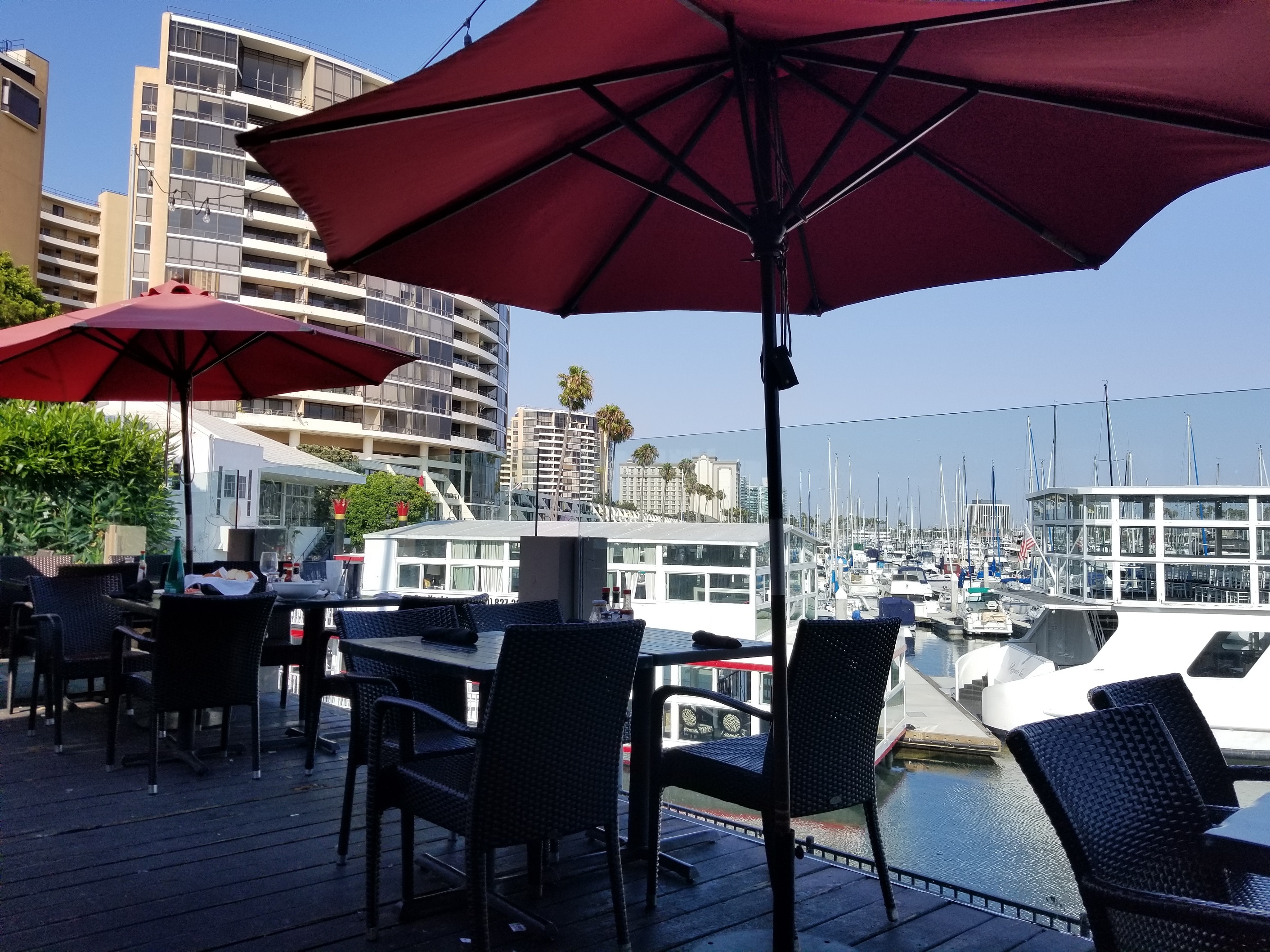
Located at 18000 S. Center St., Marina del Rey, the farmers market occupies a prime waterfront location within the Marina del Rey Town Center, adjacent to the marina’s iconic canals and just steps away from the Santa Monica Bay. The market’s layout is designed to maximize accessibility and visitor engagement, featuring a covered pavilion that accommodates up to 70 vendors during peak seasons. Unlike open-air markets, the pavilion provides shelter from Los Angeles’ often unpredictable weather, creating a more comfortable shopping experience year-round.
One of the market’s standout features is its integrated seating areas, which encourage visitors to linger, enjoy live music, and participate in on-site tastings. The presence of local food trucks and craft breweries further enhances the market’s reputation as a destination for culinary exploration. Additionally, the market’s proximity to the Marina del Rey Promenade and Ballona Creek offers scenic views, blending the rustic charm of farm life with the urban sophistication of Southern California.
Comparison of Marina del Rey Farmers Market with Other California Markets
To contextualize the Marina del Rey Farmers Market’s place within California’s vibrant farmers market ecosystem, the following table compares its key attributes with three other renowned markets: Santa Monica Farmers Market, Berkeley Farmers Market, and Pasadena Farmers Market. These markets were selected for their distinct demographics, vendor diversity, and cultural significance.
| Feature | Marina del Rey Farmers Market | Santa Monica Farmers Market | Berkeley Farmers Market | Pasadena Farmers Market |
|---|---|---|---|---|
| Established | 1995 | 1976 (one of the oldest in CA) | 1969 (first in the U.S.) | 1978 |
| Location | Marina del Rey Town Center (waterfront, urban) | Santa Monica Pier (tourist-heavy, coastal) | Downtown Berkeley (college town, progressive) | Old Town Pasadena (historic, suburban) |
| Vendor Diversity | 70+ vendors; focus on local farms, seafood, and artisan crafts | 100+ vendors; strong in international cuisine and specialty foods | 150+ vendors; emphasis on organic, fair-trade, and global products | 80+ vendors; mix of traditional and gourmet, with a historic charm |
| Visitor Demographics | Families, young professionals, and waterfront residents | Tourists, health-conscious shoppers, and beachgoers | Students, academics, and eco-conscious consumers | Affluent suburbanites, foodies, and cultural tourists |
| Unique Offerings | Seafood from local harbors, zero-waste initiatives, and waterfront views | Live entertainment, international street food, and beachside ambiance | Farm-to-table education, global food vendors, and activist stalls | Historic charm, wine tastings, and artisan workshops |
| Peak Season Attendance | Weekends (1,500–2,500 visitors) | Weekends (3,000–5,000 visitors) | Weekends (4,000–6,000 visitors) | Weekends (2,000–3,500 visitors) |
| Sustainability Programs | Composting, reusable bag incentives, and solar-powered stalls | Bike valet, plastic bag bans, and carbon-neutral events | Farm-to-table education, bulk bin discounts, and vegan/vegetarian focus | Local produce incentives, water conservation, and historic preservation |
Operational Hours and Seasonal Highlights
The Marina del Rey Farmers Market operates on Saturdays from 9:00 AM to 2:00 PM, with extended hours during holiday seasons. Unlike some markets that close during winter months, Marina del Rey maintains a consistent schedule, though vendor participation may fluctuate based on harvest cycles. Peak seasons—spring and summer—see the highest attendance, driven by fresh produce like strawberries, citrus, and heirloom tomatoes, as well as seasonal specialties such as honey from local beekeepers and handmade ice cream.
The market hosts several annual events that draw crowds beyond regular shoppers, including: - Harvest Festival (October): Celebrates the end of the growing season with live music, cooking demos, and family-friendly activities. - Winter Holiday Market (December): Features festive decorations, hot cider, and artisan crafts, often collaborating with local nonprofits to support toy drives. - Earth Day Pop-Up (April): A sustainability-focused event with workshops on composting, urban gardening, and zero-waste living. - Marina del Rey Food & Wine Festival (May): A larger-scale event that attracts regional vendors, sommeliers, and food critics.
These events not only boost local tourism but also reinforce the market’s role as a cultural and economic anchor in the community.
Community Integration and Local Partnerships
The Marina del Rey Farmers Market is deeply intertwined with the surrounding neighborhood, forging partnerships with local schools, nonprofits, and businesses to amplify its impact. One of its most notable collaborations is with Marina del Rey Elementary School, where the market
What to Expect at Marina del Rey Farmers Market: A Visitor’s Guide
Marina del Rey Farmers Market is a vibrant hub where fresh produce, artisanal goods, and locally sourced delicacies converge under the Southern California sun. For first-time visitors, navigating the market’s layout, understanding vendor offerings, and planning logistics can enhance the experience, ensuring a seamless and enjoyable outing. This guide provides a structured overview of the market’s layout, vendor categories, seasonal highlights, budgeting tools, and practical tips for an immersive visit.
Navigating the Market: Layout, Parking, and Accessibility
The Marina del Rey Farmers Market operates outdoors along the waterfront at 18000 Crenshaw Blvd, with vendor stalls arranged in a linear, easy-to-walk format along the promenade. The market spans approximately 1,000 feet, offering unobstructed views of the Pacific Ocean and Santa Monica Bay. Visitors enter near the Marina del Rey Parking Lot (Lot 1) and proceed clockwise, passing through sections dedicated to produce, baked goods, crafts, and prepared foods.
Parking is available in designated lots (Lot 1 and Lot 2) with a maximum stay of 2 hours for free, after which a fee of $2 per hour applies. Valet parking is not offered, but nearby street parking may be limited on weekends. For accessibility, the market features paved pathways, wheelchair-accessible vendor stalls, and designated seating areas. Electric scooters and bicycles are permitted, though walking remains the most convenient option due to the compact layout.
Vendor Categories and Product Breakdown
The market’s vendor lineup rotates seasonally but consistently features over 100 local producers, categorized into distinct sections. Below is a breakdown of typical offerings, organized by product type for easy reference:
Fresh Produce Local farms supply organic and conventional fruits, vegetables, and herbs, with an emphasis on California-grown items. Seasonal highlights include strawberries in spring, heirloom tomatoes in summer, and citrus in winter. Many vendors offer pre-cut salads, salsa bars, or farm-fresh eggs for convenience.
Baked Goods and Sweets Artisan bakers and pastry chefs showcase whole-grain bread, gluten-free treats, and vegan desserts. Popular items include sourdough loaves from local bakeries, macarons, and seasonal pies (e.g., pumpkin in fall). Some vendors provide sample sizes to encourage purchases.
Prepared Foods and Ready-to-Eat Meals Food trucks and small kitchens serve gourmet sandwiches, tacos, and plant-based bowls. Must-try options include smoked fish from Santa Monica, Korean BBQ plates, and fresh oyster bars. Many vendors accommodate dietary restrictions, such as keto, paleo, or nut-free meals.
Handmade Crafts and Artisan Goods Local artisans display jewelry, pottery, candles, and upcycled fashion. The market’s holiday section (November–December) features handmade ornaments and gift baskets. Craft vendors often demonstrate their techniques, adding an interactive element to the shopping experience.
Specialty and Imported Goods International vendors bring olive oils from Italy, teas from Japan, and spices from Mexico. These sections are ideal for bulk purchases or unique souvenirs, with many products available in sample sizes for first-time buyers.
Must-Try Local Specialties and Seasonal Offerings
Marina del Rey Farmers Market showcases hyper-local flavors that reflect the region’s agricultural bounty and multicultural influences. Below is a curated list of seasonal must-tries, including dishes exclusive to the market or nearby areas:
- Spring: Farm-fresh asparagus, artichokes, and morel mushrooms from Ventura County; strawberry shortcakes from Pasadena bakeries. - Summer: Heirloom tomatoes, zucchini blossoms, and dragon fruit; churro sundaes from Mexican food trucks. - Fall: Pumpkin-spiced lattes, roasted squash, and apple cider donuts; smoked trout from Malibu fisheries. - Winter: Citrus varieties (Yuzu, blood oranges), persimmons, and holiday spice blends; seafood chowder with Dungeness crab.
Exclusive to Marina del Rey: - Saltwater taffy from the nearby Venice Beach vendors (available seasonally). - Hand-dipped ice cream using local honey or lavender from Santa Monica farms. - Freshly shucked oysters from Tomales Bay, served with house-made mignonette sauce.
Vendor Category Table: Products and Price Ranges
To assist visitors in budgeting, the table below outlines typical vendor categories, sample products, and estimated price ranges (as of 2023). Prices may vary based on seasonality and vendor policies.
| Vendor Category | Sample Products | Estimated Price Range | Notes |
|---|---|---|---|
| Fresh Produce | Organic strawberries (lb) | $4–$7 | Seasonal pricing; bulk discounts available. |
| Fresh Produce | Avocados (each) | $1–$3 | Hass variety preferred; often pre-sliced for guacamole. |
| Baked Goods | Artisan sourdough loaf | $8–$12 | Some vendors offer half-loaves for $5–$7. |
| Baked Goods | Vegan chocolate chip cookies (dozen) | $12–$16 | Gluten-free options available upon request. |
| Prepared Foods | Gourmet sandwich (e.g., smoked salmon bagel) | $12–$18 | Add-ons like avocado (+$3) or truffle oil (+$2). |
| Prepared Foods | Korean BBQ short rib plate | $18–$24 | Includes rice, kimchi, and side dishes. |
| Handmade Crafts | Hand-blown glass candle | $25–$50 | Custom scents available; holiday editions in November. |
| Specialty Goods | Imported olive oil (250ml) | $12–$20 | Tasting samples provided; bulk discounts for 1L+. |
| Specialty Goods | Local honey (16oz jar) | $10–$15 | Manuka or wildflower varieties available. |
Payment Methods and Vendor Policies
The market accepts cash, credit/debit cards (via Square or PayPal), and mobile payments (Apple Pay, Google Pay). Most vendors prefer cash for small purchases, while larger transactions (e.g., bulk produce or crafts) may require card payments. Mobile payments are widely supported, with some vendors offering discounts for digital transactions to reduce contact.
Vendor-specific policies include: - Tipping: Not expected for prepared foods but appreciated for services like custom cake orders or food truck delivery. - Bulk purchases: Discounts of 10–20% for quantities exceeding $50 in produce or $30 in crafts. - Rain checks: Issued for out-of-stock items (e.g., seasonal berries) if sold out during peak hours. - Sampling etiquette: Vendors provide small samples (e.g., olive oil, honey) for tasting; one sample per person is standard to minimize waste.
Food Safety, Sampling, and
Supporting Local: The Economic and Social Impact of Marina del Rey Farmers Market
Marina del Rey Farmers Market stands as a cornerstone of economic resilience and community empowerment in Los Angeles, weaving together the threads of local agriculture, small business growth, and social equity. Beyond its role as a hub for fresh produce and artisanal goods, the market acts as a catalyst for economic circulation, fostering job creation, and reducing reliance on industrial food systems. With over 150 vendors operating weekly, the market generates an estimated $20 million annually in direct revenue, while its ripple effects extend to supporting nearby farms, reducing food miles, and reinforcing cultural diversity. Initiatives like SNAP/EBT acceptance and vendor assistance programs further cement its position as a lifeline for underserved communities, illustrating how a single marketplace can redefine urban food sovereignty and economic justice.
Economic Multiplier Effects and Revenue Generation
The Marina del Rey Farmers Market serves as a microcosm of economic activity, where every transaction contributes to a broader cycle of prosperity. According to a 2023 study by the Los Angeles County Economic Development Corporation, the market generates approximately $18–22 million annually in economic activity, with $12 million remaining within the local economy. This figure accounts for vendor sales, vendor expenses (such as rent, utilities, and supplies), and secondary spending by visitors on nearby businesses like cafes, bookstores, and transportation services.
On average, vendors at the market report $3,500–$8,000 in weekly gross sales, though figures vary significantly by product category. Produce farmers and specialty food vendors tend to see higher turnover, while artisans and prepared-food vendors benefit from repeat customers drawn by the market’s curated experience. The economic footprint extends beyond the market’s physical boundaries: For every $1 spent at the market, an additional $0.75 circulates within Marina del Rey and surrounding neighborhoods, according to data from the UCLA Luskin Center for Innovation.
A key driver of this impact is the economic multiplier effect, where funds injected by visitors and vendors are reinvested into local services, infrastructure, and other small businesses. For example, a vendor selling heirloom tomatoes may purchase seeds from a nearby nursery, while a customer’s additional spending at a nearby café supports another local entrepreneur. This cyclical flow contrasts sharply with traditional grocery stores, where a larger portion of revenue often leaves the community to support corporate supply chains.
Vendor Success Stories and Business Expansion
Many vendors at Marina del Rey Farmers Market began as small-scale operators and have since scaled their businesses with the market serving as their launchpad. Their journeys highlight how farmers markets can transform aspirational entrepreneurs into sustainable business leaders.
"When we started selling our fermented hot sauce at the market eight years ago, we were just a couple of friends with a shared passion for preserving traditional recipes. Today, our company employs five full-time staff and supplies products to 40 local restaurants. The market gave us credibility, a built-in customer base, and the feedback we needed to refine our brand."
— Carlos and Elena Rodriguez, Founders of Rodriguez Brothers Fermented Foods
Another success story involves Marina del Rey Honey Co., which began as a single stall operated by beekeeper James Chen. After three years of selling raw honey and bee pollen at the market, Chen expanded into wholesale distribution, now supplying honey to hotels in Santa Monica and West Hollywood. "The market taught me how to read customer demand and adapt quickly," Chen notes. "Without that direct interaction, we wouldn’t have had the confidence to pivot from retail to bulk sales."
Data from the California Farmers Market Association reveals that 60% of vendors who participate in farmers markets for five or more years expand their operations beyond the market, whether through e-commerce, wholesale partnerships, or brick-and-mortar stores. At Marina del Rey, this trend is particularly pronounced in the specialty food and prepared-food sectors, where vendors often transition to food trucks or catering businesses after gaining traction at the market.
Reducing Food Miles and Strengthening Local Agriculture
One of the market’s most tangible contributions to sustainability lies in its role as a short-supply-chain hub, drastically reducing the carbon footprint associated with food transportation. Traditional grocery stores often source produce from thousands of miles away, while Marina del Rey vendors prioritize hyper-local and regional farms, with an average food mileage of under 100 miles for most items. This commitment aligns with Los Angeles’ Sustainable Food Policy, which aims to reduce food miles by 20% by 2030.
The market partners with over 30 local farms within a 50-mile radius, including Santa Monica’s Community Garden Network, Ventura County’s organic farms, and San Fernando Valley’s urban agriculture initiatives. These collaborations ensure that 85% of produce sold at the market is grown within California, with a growing emphasis on heirloom varieties, regenerative farming practices, and seasonal availability.
"Before the market, our family farm in Oxnard struggled to sell directly to consumers. Now, we allocate 60% of our zucchini, eggplant, and citrus harvest exclusively to Marina del Rey buyers. This direct relationship has allowed us to invest in solar-powered irrigation and hire two additional seasonal workers."
— Maria Lopez, Third-Generation Farmer, Lopez Family Farms
The market’s focus on local agriculture also mitigates food waste by promoting ugly produce (fruits and vegetables deemed unmarketable due to cosmetic flaws) and surplus harvests. Vendors like Urban Harvest LA donate unsold produce to food banks, while programs like "Pay What You Can" tables ensure equitable access to fresh food.
Economic Impact Comparison: Farmers Markets vs. Traditional Grocery Stores
While traditional grocery stores dominate retail food sales, farmers markets like Marina del Rey offer a more community-centric economic model. Below is a comparative analysis highlighting key differences in job creation, revenue retention, and community investment:
| Metric | Marina del Rey Farmers Market | Traditional Grocery Store (LA Average) |
|---|---|---|
| Annual Revenue Generated (Local) | $18–22 million (90% retained locally) | $50–100 million (30–40% retained locally) |
| Jobs Created (Full-Time Equivalent) | 120+ (vendors, staff, support roles) | 50–100 (corporate roles, limited local hires) |
| Revenue for Local Farmers | 85% of produce sales go to CA farmers | 10–20% of produce sales support local farms |
| Community Investment | SNAP/EBT accepted, vendor grants, food donation programs | Limited community programs, corporate philanthropy |
| Food Miles (Average) | <100 miles (85% CA-grown) | 1,500+ miles (20% CA-grown) |
| Small Business Growth Support | 60% of vendors expand within 5 years | 5% of suppliers are local small businesses |
Cultural Exchange and Diversity in Vendor Base
Marina del Rey Farmers Market serves as a melting pot of cultures, reflecting the diversity of Los Angeles through its vendor base. Over 40% of vendors are first-generation immigrants or members of ethnic minority communities, offering products that range from Oaxacan mole pastes and Ethiopian injera to Vietnamese lemongrSeasonal Highlights and Special Events at Marina del Rey Farmers Market
Marina del Rey Farmers Market transforms throughout the year, reflecting the natural rhythms of agriculture, local traditions, and cultural celebrations. Each season brings unique produce, artisan crafts, and themed events that celebrate the region’s bounty and creativity. From winter citrus groves to summer berry patches, and from holiday markets to charity fundraisers, the market offers an ever-evolving experience that keeps visitors returning. Understanding these seasonal shifts allows shoppers to plan visits that align with their interests—whether savoring fresh seasonal flavors, discovering handcrafted gifts, or participating in community-driven activities. The market’s adaptability to seasonal trends also highlights its role as a hub for local artisans and farmers, ensuring freshness, cultural relevance, and economic support for the community. Below, explore how the market evolves with the seasons, the special events that define its calendar, and practical tips for making the most of each visit.Seasonal Produce and Artisan Offerings by Month
The availability of fresh produce and handcrafted goods at Marina del Rey Farmers Market shifts dramatically with the seasons, offering a dynamic culinary and aesthetic experience. Winter brings citrus fruits, root vegetables, and hearty greens, while spring introduces asparagus, strawberries, and fresh herbs. Summer showcases berries, tomatoes, and zucchini, and autumn delivers pumpkins, apples, and squash. Below is a seasonal guide to what visitors can expect, including featured vendors and themed promotions tied to each month’s harvest.| Month | Seasonal Produce | Seasonal Flowers & Crafts | Featured Vendors/Events | Themed Promotions |
|---|---|---|---|---|
| January–February | Citrus (oranges, grapefruit, lemons), winter greens (kale, spinach), carrots, beets | Dried floral arrangements, handmade wool blankets, winter wreaths | Local citrus growers like Citrus World; artisan knitters at Yarn & Stitch | New Year’s resolutions market (healthy snacks, detox teas, fitness gear) |
| March–April | Asparagus, strawberries, peas, radishes, fresh herbs (cilantro, parsley) | Easter-themed floral bouquets, pastel-colored ceramics, hand-painted eggs | Strawberry shortcake vendors; Bloom & Grow (seasonal floral designs) | Spring equinox celebrations (farm-to-table brunches, seed-swapping workshops) |
| May–June | Berries (strawberries, raspberries), zucchini, tomatoes, corn, stone fruits (peaches, plums) | Summer blooms (sunflowers, lavender), handwoven baskets, beach-themed accessories | Berry pie contests; Sunflower Fields (fresh-cut bouquets) | Father’s Day markets (grilling kits, BBQ sauces, handmade ties) |
| July–August | Heirloom tomatoes, eggplant, cucumbers, melons, fresh corn | Tropical flowers (hibiscus, birds of paradise), handmade hammocks, beach towels | Ice cream socials with local dairy farms; Ocean Breeze Textiles (linen clothing) | Summer solstice festivals (live music, outdoor yoga, sunset picnics) |
| September–October | Apples, pumpkins, squash (butternut, acorn), pears, grapes | Autumn leaves for wreaths, hand-poured candles, knitted scarves | Pumpkin carving stations; Harvest Moon Bakery (seasonal pies) | Halloween treats (spooky-themed baked goods, costume accessories) |
| November–December | Citrus (late-season oranges), Brussels sprouts, pomegranates, fresh herbs for holiday cooking | Christmas trees, handmade ornaments, holiday wreaths, gingerbread house kits | Holiday craft fairs; North Pole Workshop (custom holiday décor) | Ugly sweater contests, tree-lighting ceremonies, charity gift drives |
Annual Special Events and Charity Fundraisers
Beyond regular market days, Marina del Rey Farmers Market hosts annual events that draw crowds with unique activities, live entertainment, and opportunities to support local causes. These events often feature collaborations between vendors, live demonstrations, and themed decorations that enhance the festive atmosphere. Below are some of the most anticipated annual events, including their dates, featured activities, and how visitors can participate.- Harvest Festival (Late September) The market’s signature event celebrates the autumn harvest with pumpkin decorating contests, apple cider presses, and live bluegrass music. Vendors often display handmade fall décor, and local farms offer pumpkin patches for fresh picks. Families can enjoy hayrides (when available) and sample seasonal treats like caramel apples and spiced nuts. Pro tip: Arrive early for the pumpkin carving station, as supplies are limited.
- Holiday Market (First Weekend of December) Transforming the market into a winter wonderland, this event features a giant tree-lighting ceremony, Santa visits for children, and a "12 Days of Christmas" vendor showcase. Shoppers can browse handmade ornaments, hot cocoa bars, and holiday gift baskets curated by local artisans. A portion of proceeds typically supports a charity, such as the Marina del Rey Community Foundation. Don’t miss the live nativity performances and carolers.
- Earth Day Celebration (April) Aligning with global Earth Day initiatives, this event emphasizes sustainability with workshops on composting, urban gardening, and zero-waste living. Vendors offer locally sourced, eco-friendly products like reusable straws, beeswax wraps, and organic skincare. Free plant giveaways and seedling sales encourage visitors to start their own gardens. The market often partners with Heal the Bay for beach clean-up drives.
- Veterans Appreciation Day (November) Honoring local veterans, this event includes live performances by military bands, free food samples from vendor sponsors, and a "Thank You" wall where visitors can leave messages for service members. Discounts are offered on handmade goods, and proceeds support veteran-led nonprofits. The market collaborates with organizations like the Wounded Warrior Project to provide care packages.
- Artisan Craft Fair (June) Showcasing the work of over 50 local artisans, this fair features jewelry, pottery, woodworking, and textile crafts. Live demonstrations—such as glassblowing or blacksmithing—draw crowds, while a "Meet the Maker" session allows visitors to ask artisans about their processes. The event often includes a silent auction for unique pieces, with proceeds benefiting the Marina del Rey Arts Council.
Themed Markets and Pop-Up Experiences
Marina del Rey Farmers Market occasionally hosts themed markets and pop-up events that cater to niche interests, such as foodie adventures, cultural celebrations, or wellness trends. These limited-time offerings createSustainability and Community Initiatives at Marina del Rey Farmers Market
Marina del Rey Farmers Market has long been a cornerstone of eco-conscious commerce, embedding sustainability into its operations while fostering a culture of environmental stewardship. From waste reduction programs to partnerships with local nonprofits, the market exemplifies how community-driven markets can lead by example in minimizing environmental impact. By prioritizing zero-waste practices, supporting sustainable vendors, and educating visitors, the market transforms shopping into an act of collective responsibility. Its initiatives extend beyond the market’s boundaries, addressing food security, community empowerment, and long-term ecological resilience. The market’s commitment to sustainability is rooted in a multi-faceted approach that balances operational efficiency with community engagement. Through innovative waste management systems, carbon footprint reduction strategies, and educational outreach, Marina del Rey sets a benchmark for farmers markets in California. Vendors and visitors alike play integral roles in sustaining these efforts, creating a ripple effect that strengthens local ecosystems and social equity.Waste Reduction and Circular Economy Practices
Marina del Rey Farmers Market implements a closed-loop waste management system that diverts over 90% of its waste from landfills annually, a feat achieved through collaboration with Recology and LA County’s Green Bin Program. The market segregates waste into compostable materials, recyclables, and non-recyclables, with clearly labeled bins placed strategically throughout the venue. Compostable waste, including fruit peels, coffee grounds, and paper products, is collected daily and processed into nutrient-rich soil for local urban farms, such as Garden Schools Foundation and The Farm at the Getty. Recyclables, including plastic bottles, cardboard, and metal containers, are sorted and sent to Eco-Cycle, a California-based recycling nonprofit. To further reduce single-use plastics, the market enforces a straws-on-request policy and provides compostable utensils and cups to food vendors. Additionally, bulk food stations encourage visitors to bring their own containers, significantly cutting packaging waste. The market’s partnership with ReuseLA ensures that excess produce and unsold goods are redistributed to food recovery organizations rather than discarded.Minimizing Carbon Footprint Through Accessible Transportation
The market actively promotes low-carbon transportation to reduce its environmental footprint and alleviate traffic congestion in the Marina del Rey area. Located near Bike Path 4 and Metro Blue Line’s Westchester Station, the market encourages visitors to walk, bike, or take public transit. Free bike valet services are available on weekends, while carpooling incentives—such as designated parking for high-occupancy vehicles—are offered in collaboration with LA Metro. Electric vehicle (EV) charging stations are also provided for hybrid and electric cars. To quantify its impact, the market conducted a 2023 sustainability audit, revealing that 65% of visitors arrived via walking, biking, or public transit, reducing an estimated 120 metric tons of CO₂ emissions annually. The market’s “Green Passport” program rewards participants for choosing sustainable transportation methods, offering discounts on future purchases for those who carpool, bike, or use transit.Comparative Analysis: Sustainability Efforts at Marina del Rey vs. Other California Farmers Markets
While many California farmers markets prioritize sustainability, Marina del Rey stands out for its comprehensive, data-driven approach and vendor integration. Below is a comparative table highlighting key initiatives across three prominent markets:| Initiative | Marina del Rey FM | Santa Monica Farmers Market | Berkeley Farmers Market |
|---|---|---|---|
| Waste Diversion Rate | 92% (compost + recycle) | 85% (compost + recycle) | 88% (compost + recycle + donation) |
| Vendor Sustainability Requirements | Mandatory organic/regenerative farming for produce vendors | Voluntary “Green Vendor” certification | Required for all vendors; bulk section mandatory |
| Transportation Incentives | Bike valet, EV charging, carpool parking | Bike share partnerships, transit passes | Bike parking, shuttle service to BART |
| Food Recovery Partnerships | ReuseLA, Food Forward, Senior Meal Programs | Food Finders, Alameda County Food Bank | Daily Bread, Berkeley Food Pantry |
| Educational Programs | Monthly workshops (e.g., zero-waste cooking) | Seasonal sustainability fairs | “Farm to Table” school tours, composting demos |
| Unique Innovations | Green Passport rewards, solar-powered stages | “Pay What You Can” produce section | “Ugly Produce” discount program |
Vendors Leading the Charge in Sustainable Practices
Many vendors at Marina del Rey Farmers Market adopt zero-waste, upcycled, or regenerative farming methods, aligning with the market’s sustainability goals. Urban Harvest, a local nonprofit, operates a farm stand featuring produce grown using regenerative agriculture, which sequesters carbon in the soil. The Fresh Market offers package-free nuts, grains, and spices, encouraging customers to use their own containers. Meanwhile, Marina del Rey Bakery uses compostable packaging and sources ingredients from certified organic farms within a 50-mile radius. Artisan vendors also contribute to sustainability through upcycled materials. ReRooted Goods crafts jewelry from recycled ocean plastics, while Stitch & Story sells clothing made from organic cotton and deadstock fabrics. These vendors not only reduce waste but also inspire visitors to make conscious consumer choices.Educating Visitors Through Signage, Workshops, and Collaborations
Education is a cornerstone of Marina del Rey’s sustainability efforts. Interactive signage throughout the market explains composting guidelines, water conservation tips, and the benefits of bulk shopping. For instance, a digital kiosk near the entrance displays real-time data on waste diversion rates and carbon savings achieved by visitors who choose sustainable options. The market hosts monthly workshops in collaboration with Heal the Bay and LA Conservation Corps, covering topics such as:Community Initiatives Beyond the Market
Marina del Rey Farmers Market extends its impact through food security programs, skill-sharing events, and partnerships with local nonprofits. The market’s “Harvest for All” initiative donates excess produce and prepared foods to:Local Organizations and Nonprofits Partnering with the Market
The market’s sustainability and community initiatives thrive through partnerships with the following organizations:Behind the Scenes: The Vendors and Stories of Marina del Rey Farmers Market
The vibrant energy of Marina del Rey Farmers Market is not just shaped by the fresh produce and artisanal goods on display but by the passionate individuals behind them. Each vendor brings a unique story—some rooted in generational traditions, others in bold entrepreneurial dreams. This market serves as a launchpad for many, offering more than just a space to sell; it provides mentorship, community, and opportunities to thrive. From immigrant entrepreneurs who turned challenges into success to long-standing vendors who have become local legends, the market’s diversity reflects the rich tapestry of Los Angeles’ cultural and economic landscape. The vendors at Marina del Rey Farmers Market embody resilience, innovation, and a deep commitment to their craft. Their journeys—marked by perseverance, cultural pride, and adaptability—highlight how the market fosters both economic independence and social cohesion. Below, we explore the faces, products, and stories that define this marketplace, along with the systems in place to support vendors at every stage of their journey.Vendor Profiles: Faces of the Market
The market’s diversity is its greatest strength, with vendors representing backgrounds from Latin America, Southeast Asia, the Middle East, and beyond. Their products range from heirloom fruits and handcrafted textiles to artisanal cheeses and ethically sourced coffee. What unites them is a shared dedication to quality, sustainability, and community engagement. 1. Maria Rodriguez – Rodriguez Family Farms Maria, a third-generation Mexican-American farmer, sources organic citrus and heirloom tomatoes from her family’s farm in Ventura County. Her booth is a staple at the market, known for its vibrant displays and educational sessions on sustainable farming. > "My abuela taught me that the land remembers everything—how you treat it, how you harvest. At the market, I want people to taste that memory in every bite." —Maria Rodriguez 2. Ahmed El-Khatib – Spice Route Market Ahmed, a Syrian immigrant, opened Spice Route Market after years of working in Los Angeles’ restaurant scene. His booth features rare Middle Eastern spices, homemade za’atar, and traditional sweets, often sharing stories of his family’s culinary heritage. > "The market gave me a voice. Before, I was just another chef in the kitchen. Now, I can teach people about flavors they’ve never tried." —Ahmed El-Khatib 3. Priya Mehta – Bollywood Bites Priya, an Indian-American entrepreneur, specializes in fusion snacks like masala popcorn and samosa bites. Her playful branding and interactive booth—where she offers cooking demos—have made her a favorite among families. > "Kids are my best teachers. If I can make them excited about Indian flavors, I’ve won. The market is where I experiment and grow." —Priya Mehta 4. Carlos Lopez – Lopez Honey Co. Carlos, a former marine biologist, pivoted to beekeeping after retiring. His raw, single-origin honey and beeswax candles are sold at the market, with proceeds supporting local conservation efforts. > "Bees are the ultimate team players—just like the vendors here. We all rely on each other to thrive." —Carlos Lopez 5. Le Ly – Golden Lotus Tea House Le, a Vietnamese refugee, runs a tea booth offering traditional trà đá and hand-rolled tea blends. Her story of resilience—from fleeing war to building a business—resonates deeply with customers. > "Tea is more than a drink; it’s a conversation. Here, I share mine with every cup." —Le Ly 6. Javier Morales – Morales Family Chocolates Javier’s artisanal chocolates, infused with local ingredients like lavender and chili, reflect his Mexican heritage. His booth includes live demonstrations of chocolate-making, drawing crowds eager to learn. > "Chocolate is love in solid form. The market lets me share that love with everyone who walks through." —Javier Morales 7. Fatima Al-Mansoori – Dubai Dates & More Fatima, an Emirati expat, imports premium dates and halal snacks from the Middle East. Her booth celebrates Emirati culture while introducing Angelenos to lesser-known varieties. > "Dates are a gift from the desert. Bringing them here is my way of connecting two worlds." —Fatima Al-Mansoori 8. Raj Patel – Patel’s Farm Fresh Raj, a first-generation Indian-American, grows hydroponic greens and microgreens in his South LA urban farm. His booth educates customers on vertical farming and healthy eating. > "Food should be a bridge, not a barrier. The market helps me break down those barriers one leaf at a time." —Raj Patel 9. Sofia Martinez – Martinez’s Handwoven Textiles Sofia, a Peruvian immigrant, creates vibrant, handwoven bags and wall hangings using traditional techniques. Her booth often features live weaving demonstrations. > "Every knot in my textiles tells a story. Here, I weave not just fabric, but a piece of Peru into LA." —Sofia Martinez 10. David Kim – Korean Street Food Co. David’s booth serves up tteokbokki, kimbap, and other Korean street foods, inspired by his grandmother’s recipes. His pop-up events during K-pop seasons draw long lines. > "Food is the universal language. The market lets me speak mine without translation." —David KimImmigrant Entrepreneurs: Journeys of Resilience and Cultural Contribution
Many vendors at Marina del Rey Farmers Market are immigrants or first-generation Americans whose stories reflect the market’s role as a gateway to economic opportunity. Their businesses often blend cultural traditions with local innovation, enriching the community’s culinary and artistic landscape.Vendor Support Systems: Mentorship, Affordability, and Growth Opportunities
Marina del Rey Farmers Market is designed to be accessible and supportive for vendors at all levels. Affordable booth fees, mentorship programs, and marketing assistance help emerging entrepreneurs establish and grow their businesses. Key Support Mechanisms:Success Stories: From Market Stalls to Mainstream Recognition
Many vendors at Marina del Rey Farmers Market have expanded their operations beyond the booth,Marina del Rey Farmers Market is more than a weekly tradition—it is a celebration of resilience, creativity, and the unbreakable bond between consumers and the hands that grow or craft their food. Whether you arrive for the vibrant colors of a summer berry season, the cozy warmth of holiday pop-ups, or the quiet joy of a Sunday morning stroll among stalls, the market leaves an indelible mark on every visitor. By supporting its vendors, embracing sustainable practices, and savoring the flavors of the region, each trip becomes a step toward a more connected, equitable, and nourished community. In its stalls, stories unfold, and in its shared tables, the future of local food culture is served, one bite at a time.
Leave a Comment
Comments are moderated before appearing. The data you submit is processed according to the Privacy Policy of Gestionale.