Exploring La Tourette Golf Course Mastery and Legacy
Table of Contents
- La Tourette Golf Course: A Masterpiece of Modernist Design and Natural Harmony
- Origins and Historical Development
- Architectural Style and Design Philosophy
- Major Renovations and Evolution of the Course
- Comparative Analysis: La Tourette vs. Iconic Golf Courses
- Course Layout and Playing Experience: A Detailed Breakdown of La Tourette’s Architectural Brilliance
- Hole-by-Hole Strategic Guide: Par Values, Yardages, and Key Challenges
- Notable Events and Tournaments Hosted at La Tourette: A Legacy of Prestige and Drama
- Major Tournaments and Championships at La Tourette
- Format, Prize Money, and Reputation Elevation
- Atmosphere During High-Profile Events
- Memorable Moments and Controversies
- Facilities and Amenities: Beyond the Golf Course at La Tourette
- Clubhouse Facilities: Where Luxury Meets Functionality
- Practice Facilities: Hone Your Game on World-Class Ranges
- Accommodations Near La Tourette: Luxury to Budget Stays
- Recreational and Leisure Activities: Extending the La Tourette Experience
- Membership at La Tourette: Exclusive Access and Privileges
- Tips for Visiting La Tourette: Insider Advice for Golfers
- Optimal Times for Play and Tee Time Booking Strategies
- Weather Adaptation and Course Management
- Expert Lessons and Local Golf Professionals
- Etiquette and Rules Specific to La Tourette
- Multi-Course Itineraries and Nearby Golf Destinations
- Cultural and Local Impact: La Tourette’s Role in the Community and Golfing Legacy
- Economic Contributions and Tourism Revenue
- Sustainability Initiatives and Environmental Stewardship
- Community Engagement and Youth Development Programs
- Cultural Significance in European Golfing History
- Notable Figures and Alumni Associated with La Tourette
- Nearby Cultural Attractions for Golfers
Nestled within France’s rolling landscapes, La Tourette Golf Course stands as a testament to visionary design and timeless elegance, blending architectural brilliance with natural beauty. Opened in 1990, this course was envisioned by legendary architect Robert Trent Jones Jr., who crafted a layout that challenges golfers while harmonizing with its rugged terrain. Unlike conventional courses, La Tourette’s undulating fairways and strategic hazards demand precision, making it a standout in European golfing history. Its unique fusion of modern innovation and classical aesthetics continues to captivate players from amateurs to professionals, solidifying its reputation as a must-visit destination.
The course’s legacy extends beyond its striking design, as it has hosted prestigious tournaments that drew global attention, shaping its place in golf’s cultural tapestry. From its signature holes that test even the most seasoned players to its commitment to sustainability, La Tourette represents more than just a golf course—it embodies a legacy of excellence and innovation. Whether navigating its treacherous greens or soaking in the panoramic views, every visit offers an experience that transcends the ordinary, blending sport with scenic grandeur.
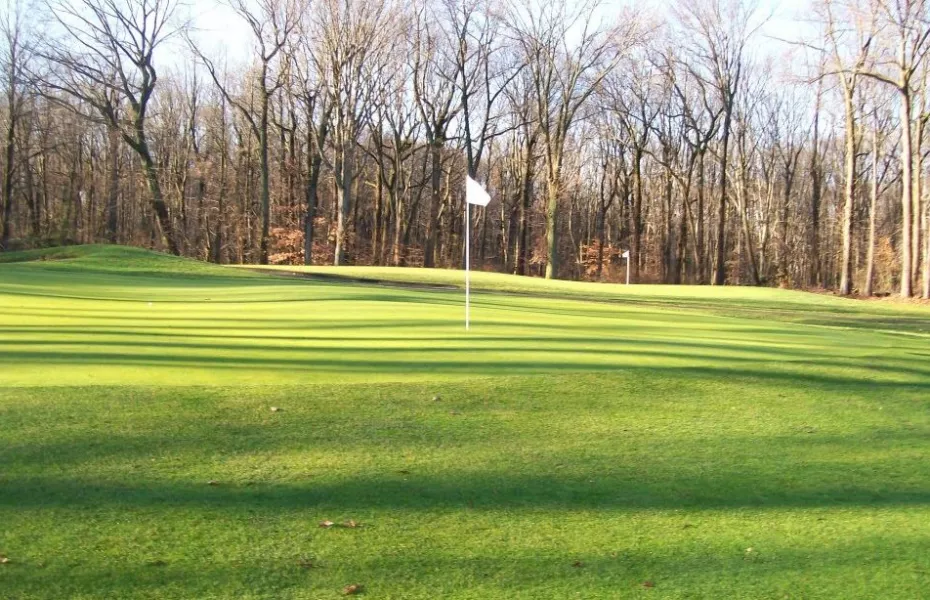
La Tourette Golf Course: A Masterpiece of Modernist Design and Natural Harmony

La Tourette Golf Course, located in Éveux near Lyon, France, stands as a testament to the fusion of avant-garde architecture and natural landscape design. Inaugurated in 1964, the course was commissioned by the renowned architect Le Corbusier, in collaboration with his cousin Pierre Jeanneret and golf course designer Alister MacKenzie. Unlike traditional golf courses that prioritize challenge and prestige, La Tourette embodies Le Corbusier’s modernist philosophy—harmony between human creation and nature, where the built environment serves the landscape rather than dominates it. The course’s unique blend of geometric precision and organic terrain has earned it recognition as one of the most architecturally significant golf courses in the world, often compared to landmarks like St. Andrews or Augusta National but with a distinctly European, minimalist ethos.
The design of La Tourette reflects Le Corbusier’s principles of "order, proportion, and purity", adapted to the undulating terrain of the Lyon plateau. The course’s layout avoids excessive bunkering or artificial obstacles, instead leveraging the natural contours, forests, and water features of the site. This approach not only preserves the ecosystem but also creates a meditative, almost sculptural playing experience. Over the decades, La Tourette has undergone strategic renovations to maintain its integrity while adapting to modern golf standards, ensuring its legacy as both a cultural heritage site and a challenging yet serene golfing destination.

Origins and Historical Development
La Tourette’s origins trace back to 1957, when Le Corbusier was commissioned by the Dominican Order to design a monastery, chapel, and golf course on a 180-hectare estate. The project was part of a broader vision to create a self-sustaining community that integrated architecture, agriculture, and recreation. The golf course, spanning 18 holes over 6,000 meters, was conceived as a functional and aesthetic extension of the monastery’s design principles, emphasizing clean lines, symmetry, and a deep connection to the land.
The course’s development faced challenges, including financial constraints and logistical hurdles, but its completion in 1964 marked a milestone in golf course architecture. Unlike the traditional links-style courses of Scotland or the meticulously manicured layouts of the U.S., La Tourette’s design prioritized natural flow and minimal intervention. Le Corbusier’s involvement was unconventional for a golf course designer, yet his influence is evident in the modular bunkers, precise fairways, and the strategic use of elevation changes—elements that set it apart from contemporaries like Augusta National (designed by Alister MacKenzie and Robert Trent Jones Sr.) or Pebble Beach (by Jack Neville).
Key historical events in La Tourette’s development include: - 1957–1964: Initial construction under Le Corbusier’s supervision, with Pierre Jeanneret handling architectural details and Alister MacKenzie contributing golf course expertise. - 1980s: The course fell into disrepair due to lack of maintenance, leading to debates over its preservation. - 2000s: A restoration led by French golf architect Bernard Gallay and landscape designer Michel Desvigne, who aimed to preserve the original design while modernizing infrastructure. The project included recontouring fairways, restoring bunkers to their geometric forms, and enhancing drainage systems. - 2010s: Recognition as a UNESCO-listed site (as part of the Le Corbusier architectural works) and designation as a Protected Historic Monument, ensuring its conservation for future generations.
The course’s unique history also ties it to broader cultural movements. Le Corbusier’s modernist ideals—functionalism, industrial materials, and open spaces—were revolutionary in post-war Europe, and La Tourette became a living laboratory for these principles. Today, it serves as a pilgrimage site for architects, designers, and golf enthusiasts, offering insights into how art, sport, and ecology can coexist.
Architectural Style and Design Philosophy
La Tourette’s architectural style is a radical departure from conventional golf course design, blending modernist abstraction with natural topography. Unlike courses that rely on dense bunkering or water hazards for challenge, La Tourette’s difficulty arises from its precise routing, elevation changes, and strategic use of trees and rock outcroppings. The design philosophy centers on three pillars:
1. Geometric Precision Meets Organic Terrain The fairways and greens feature clean, angular shapes—a hallmark of Le Corbusier’s work—while the surrounding landscape remains untamed. Bunkers are sculptural and minimalist, often aligned with the horizon or integrated into the natural slope. This contrast creates a dynamic interplay between human design and nature, where every shot requires adaptability.
2. Integration with the Monastery and Landscape The course was designed as an extension of the monastery’s spiritual and architectural language. The Chapel of Notre-Dame-du-Haut, another Le Corbusier masterpiece, overlooks the 18th green, symbolizing the union of faith, art, and recreation. The routing avoids visual disruption, ensuring that the monastery remains the focal point while the golf course enhances the site’s tranquility.
3. Sustainability as a Design Principle Long before sustainability became a golf industry priority, La Tourette embodied ecological stewardship. The course uses native vegetation, natural drainage, and minimal irrigation, reducing its environmental footprint. The undulating terrain was preserved rather than altered, with only essential modifications for playability.
Le Corbusier’s influence is most evident in the Modulor system, a proportional scale he developed for human-centric design. At La Tourette, this is reflected in the spacing of bunkers, the width of fairways, and the size of greens, all calibrated to optimize the golfer’s experience while maintaining aesthetic harmony.
Major Renovations and Evolution of the Course
La Tourette’s preservation required careful balance between historical authenticity and modern functionality. Three key renovations have shaped its evolution:
- 1980s–1990s: Decline and Neglect After Le Corbusier’s death in 1965, the course suffered from poor maintenance and financial constraints. Fairways overgrew, bunkers eroded, and the overall condition declined. This period highlighted the need for specialized restoration rather than conventional golf course upkeep.
-
2000–2005: Restoration by Bernard Gallay and Michel Desvigne
Recognizing La Tourette’s cultural significance, the French Ministry of Culture funded a restoration project led by Bernard Gallay, a pioneer in French golf course architecture, and Michel Desvigne, renowned for his ecological designs (e.g., Le Golf National in Paris). Their goals included:
- Reconstructing bunkers to their original geometric forms using local stone and sand to maintain authenticity.
- Realigning fairways to restore Le Corbusier’s intended routing while accommodating modern equipment.
- Improving drainage systems to prevent waterlogging, a common issue in the region’s clay soil.
- Preserving native vegetation and reintroducing endangered species to enhance biodiversity.
-
2015–Present: UNESCO Recognition and Ongoing Care
Following its inclusion in the UNESCO World Heritage List (2016) as part of Le Corbusier’s architectural works, La Tourette received protected status, ensuring long-term preservation. Ongoing maintenance focuses on:
- Soil analysis and erosion control to prevent fairway degradation.
- Limited mechanical intervention to maintain natural aesthetics.
- Educational programs for golfers on the course’s historical and ecological value.
The renovations underscore a philosophical shift in golf course management: prioritizing heritage and ecology over performance metrics. This approach has set a precedent for historical golf course preservation, influencing similar projects at sites like St. Andrews (Old Course) and Carnoustie.
Comparative Analysis: La Tourette vs. Iconic Golf Courses
La Tourette’s design diverges sharply from other legendary courses, particularly in its architectural intent, terrain utilization, and aesthetic priorities. Below is a structured comparison with St. Andrews (Old Course, Scotland), Augusta National (Georgia, USA), and Pebble Beach (California, USA)—three courses celebrated for their historical, strategic,
Course Layout and Playing Experience: A Detailed Breakdown of La Tourette’s Architectural Brilliance
La Tourette Golf Course, designed by Robert Trent Jones II in collaboration with the renowned architect Michel Desjoyaux, is a masterclass in modernist golf course design, seamlessly blending geometric precision with the undulating beauty of the French Alps. The layout prioritizes strategic play over brute distance, demanding precision, patience, and adaptability from golfers of all levels. Each hole is meticulously crafted to challenge players’ decision-making, shot-shaping abilities, and mental resilience, while the course’s integration with the surrounding landscape—characterized by dramatic elevation changes, native vegetation, and alpine vistas—creates an immersive experience. Navigating La Tourette is not merely about reaching the flag; it is about mastering a symphony of risk, reward, and natural obstacles that redefine the boundaries of modern golf.
The course’s 18 holes span 7,095 yards (par 72) and are distributed across a terrain that ranges from 1,400 to 2,000 meters above sea level, ensuring that every swing is influenced by altitude and wind. The design philosophy emphasizes "natural hazards" over artificial traps, with bunkers strategically placed to funnel shots and greens contoured to reward subtle adjustments in club selection and ball striking. Below is a structured breakdown of the course’s layout, signature challenges, and tactical nuances tailored to skill levels, alongside an analysis of its global standing in golf architecture.
Hole-by-Hole Strategic Guide: Par Values, Yardages, and Key Challenges
La Tourette’s holes are engineered to test every facet of a golfer’s game, from driving accuracy to short-game finesse. The table below outlines the par, yardage, and primary strategic challenges for each hole, categorized by their role in the course’s narrative—whether as a warm-up, a high-stakes test, or a moment of artistic expression.
| Hole # | Par | Yardage | Key Challenge |
|---|---|---|---|
| 1 | 4 | 410 | Tight fairway and elevated tee shot requiring a controlled drive to avoid thick rough and a left-side bunker. The green complexes with a lateral slope, demanding precise approach shots. |
| 2 | 5 | 590 | Dogleg-left with a blind carry over a ravine (230 yards). A straight drive risks the left rough, while a draw must clear the ravine’s drop-off. The par-5 finish features a narrow landing zone between bunkers. |
| 3 | 4 | 380 | Short but punishing with a front-right bunker and a green guarded by a steep ravine. A misplaced tee shot leaves little room for error, and the green’s undulations require delicate touch. |
| 4 | 4 | 400 | Elevated tee shot over a valley (180 yards) with a narrow landing strip. The green sits on a plateau, accessible only via a precise carry or a low, running approach. |
| 5 | 3 | 210 | Uphill drive with a tight fairway leading to a green flanked by bunkers. A short par-3 that rewards accuracy over distance, often requiring a hybrid or long iron. |
| 6 | 4 | 420 | Dogleg-right with a forced carry over a creek (160 yards) and a green split by a bunker. The second shot must navigate a narrow corridor to set up a birdie putt. |
| 7 | 5 | 600 | Par-5 with a mid-iron second shot to a plateau green. The hole’s challenge lies in the third shot, which must clear a ravine (120 yards) to a green with undulating contours. |
| 8 | 4 | 390 | Downhill drive with a false front and a green guarded by a deep bunker. The tee shot must avoid the left rough, and the approach requires a low trajectory to stick the green. |
| 9 | 4 | 415 | Tight fairway with a forced carry over a ravine (190 yards). The green is split by a bunker, and a misplaced shot leaves little margin for error on the approach. |
| 10 | 3 | 200 | Uphill lie with a green surrounded by bunkers. The hole demands a perfect strike to avoid the surrounding hazards, often requiring a 7-iron or wedge. |
| 11 | 4 | 405 | Dogleg-left with a blind tee shot over a valley. The green is accessed via a narrow fairway, and the approach must navigate a lateral slope. |
| 12 | 5 | 580 | Par-5 with a mid-iron second shot to a plateau and a third shot over a creek (150 yards). The green is guarded by bunkers, requiring a precise landing. |
| 13 | 4 | 380 | Downhill drive with a forced carry over a ravine (170 yards). The green is split by a bunker, and the approach must account for a sharp break. |
| 14 | 3 | 190 | Short but treacherous with a green guarded by a steep drop-off. The hole demands a delicate touch, often requiring a 6-iron or wedge to avoid the left-side hazard. |
| 15 | 4 | 420 | Dogleg-right with a blind carry over a creek (200 yards). The green is accessed via a narrow landing zone, and the approach must navigate a lateral slope. |
| 16 | 5 | 610 | Par-5 with a mid-iron second shot to a plateau and a third shot over a valley (140 yards). The green is guarded by bunkers, requiring a precise landing. |
| 17 | 4 | 400 | Uphill drive with a tight fairway and a green flanked by bunkers. The hole demands accuracy over distance, with the approach requiring a low trajectory. |
| 18 | 4 | 395 | Signature finishing hole with a forced carry over a ravine (220 yards). The green is split by a bunker, and the approach must account for a sharp break, often deciding tournament outcomes. |
| Event Name | Year | Winner | Significance |
|---|---|---|---|
| Alfred Dunhill Cup | 1993, 2003, 2013 | Team Europe (1993, 2003), Team World (2013) | A prestigious team event featuring the world’s best golfers, elevating La Tourette’s profile as a host for elite international competition. |
| Trophée Lancôme | 1994, 1999, 2004, 2009, 2014 | Colin Montgomerie (1994), Retief Goosen (1999), Robert Karlsson (2004), Francesco Molinari (2009), Thomas Pieters (2014) | One of the most historic events on the European Tour, known for its intense match play format and high prize money. |
| Volvo Masters (European Tour) | 2000, 2005, 2010 | Retief Goosen (2000), Paul Casey (2005), Henrik Stenson (2010) | A major stroke-play event with substantial prize money, often serving as a season-ending showcase for the European Tour. |
| Dubai Desert Classic (Qualifying School) | 2001, 2006, 2011, 2016 | N/A (Qualifying event for European Tour cards) | Hosted the European Tour’s qualifying school, providing a pathway for aspiring professionals to earn their tour cards. |
| Ladbrokes Trophy | 2007, 2012, 2017 | Robert Karlsson (2007), Ross Fisher (2012), Thomas Bjørn (2017) | A mid-season stroke-play event that attracted top-tier competition and contributed to the course’s growing reputation. |
| French Open | 2018, 2022 | Rory McIlroy (2018), Ludvig Åberg (2022) | Marked La Tourette’s return to hosting a major European Tour event after a hiatus, featuring a strong international field. |
The Alfred Dunhill Cup and Trophée Lancôme stand out as the most prestigious tournaments associated with La Tourette. The Alfred Dunhill Cup, in particular, is a team event that pits the best players from around the world against each other in a high-pressure, match-play format. The Trophée Lancôme, meanwhile, is renowned for its grueling stroke-play and match-play combination, often described as one of the toughest events on the European Tour. Both tournaments have attracted legendary names, including Seve Ballesteros, Tiger Woods, and Sergio García, further amplifying the course’s allure.
Format, Prize Money, and Reputation Elevation
The tournaments hosted at La Tourette vary in format, but they consistently adhere to high standards of organization and competitive integrity. Stroke-play events, such as the Volvo Masters and French Open, are played over 72 holes, with players competing for the lowest total score. These events typically offer prize money ranging from €1 million to €3 million, with the winner’s share often exceeding €200,000. The Trophée Lancôme, however, is unique in its match-play format, where players face off in one-on-one contests over three days, adding an element of psychological warfare to the competition. The inclusion of La Tourette in the European Tour’s rotation has been instrumental in elevating its reputation. Unlike courses that host events sporadically, La Tourette’s consistent presence in major tournaments—particularly the Trophée Lancôme, which has been held there since 1994—has reinforced its status as a must-play venue. The course’s ability to attract top-tier talent year after year has also positioned it as a benchmark for modern golf course design, where strategy and natural beauty converge to challenge even the most skilled players.
Atmosphere During High-Profile Events
The atmosphere at La Tourette during major tournaments is electric, characterized by a blend of local passion, international flair, and golfing tradition. Crowd sizes can swell to 5,000 to 10,000 spectators, particularly during the Trophée Lancôme and Alfred Dunhill Cup, when the course is transformed into a bustling hub of activity. Spectators gather at strategic points along the fairways and greens, where the course’s undulating terrain offers unobstructed views of critical holes, such as the par-3 12th and the par-5 18th, both of which have hosted dramatic finishes. Local traditions play a significant role in shaping the event experience. In Provence, where La Tourette is located, tournaments often incorporate regional cuisine and wine, with VIP areas serving Provençal specialties alongside international fare. The Sunday afternoon is particularly special, as spectators pack the clubhouse for the final rounds, where the tension is palpable. For golfers, the experience extends beyond competition; many describe the post-round gatherings, where players and caddies share stories over wine and cheese, as an integral part of the tournament culture. The course itself undergoes subtle modifications to accommodate the demands of elite competition. Temporary grandstands are erected along the most scenic and challenging holes, while player facilities—including a press tent, medical station, and locker rooms—are set up near the clubhouse. The landscape is carefully managed to ensure optimal playing conditions, with bunker rakes and green mowers working tirelessly to maintain the course’s pristine condition. The 16th hole, a par-3 with a water hazard, often becomes a focal point for spectators, as its short but high-risk approach tests even the most composed players.
Memorable Moments and Controversies
La Tourette’s tournament history is punctuated by dramatic finishes, record-breaking performances
Facilities and Amenities: Beyond the Golf Course at La Tourette
La Tourette Golf Course transcends its reputation as a golfing masterpiece by offering an immersive experience that extends far beyond the 18th green. The estate’s facilities blend modern luxury with natural elegance, catering to golfers, their guests, and even non-players seeking relaxation or cultural enrichment. From world-class practice areas to exclusive membership perks and nearby accommodations, every detail at La Tourette is designed to elevate the visitor’s stay. Whether preparing for a competitive round, unwinding with a spa retreat, or exploring the region’s culinary delights, the amenities here ensure that the experience remains unforgettable. The clubhouse at La Tourette serves as the heart of the estate, reflecting the same architectural brilliance as the course itself. Its design harmonizes brutalist concrete structures with expansive glass walls, allowing natural light to flood the space while maintaining a sleek, contemporary aesthetic. Inside, every facility is meticulously curated to meet the needs of discerning golfers and their companions, from high-performance practice areas to gourmet dining and luxurious accommodations nearby.
Clubhouse Facilities: Where Luxury Meets Functionality
The clubhouse at La Tourette is a testament to thoughtful design, offering amenities that rival those of five-star resorts. The locker rooms are spacious, equipped with climate-controlled storage, premium towel services, and private changing areas for both men and women. High-speed showers with rainfall showerheads and premium toiletries ensure post-round comfort, while complimentary shoe-cleaning stations maintain the pristine condition of the course. The pro shop at La Tourette is a golfer’s paradise, stocking an extensive selection of clubs, apparel, and accessories from top brands like Titleist, TaylorMade, and Callaway. Staffed by knowledgeable experts, the shop offers custom club fittings, repairs, and personalized recommendations tailored to each golfer’s skill level. Custom engraving services for clubs and personal items add a touch of exclusivity, making purchases feel uniquely yours. Dining at La Tourette is an experience in itself. The clubhouse restaurant features a à la carte menu curated by local chefs, emphasizing seasonal ingredients sourced from nearby farms. Signature dishes include Duck Confit with Cherry Gastrique, Grilled Lamb with Herbs de Provence, and Artisanal Cheese Plates paired with regional wines. For a more casual setting, the terrace café offers light bites, coffee, and pastries while overlooking the practice greens. Private dining rooms accommodate corporate events, weddings, and intimate gatherings, with menus designed to impress even the most discerning palates. For those seeking post-play relaxation, the clubhouse lounge provides a tranquil space with plush seating, a curated selection of craft beers and fine wines, and complimentary Wi-Fi. Fireplaces and large windows framing the landscape create an ambiance that blends sophistication with serenity.
Practice Facilities: Hone Your Game on World-Class Ranges
La Tourette’s practice facilities are as meticulously designed as the course itself, offering golfers of all skill levels the tools to refine their technique. The driving range spans 300 yards and features 240 tees, including 120 grass tees and 120 mat tees to accommodate different swing speeds and ball trajectories. The range is equipped with automated ball dispensers and target greens with undulating terrain, simulating real-course challenges. Launch monitors are available for members and guests booking private lessons, providing real-time data on clubhead speed, spin rate, and distance. For short-game mastery, the practice putting green is a full-sized, undulating green with 12 different hole locations, including a chipping area with bunkers and sand traps. The short-game bunker features 12 sand traps with varying depths and slopes, allowing golfers to practice escape shots from different lies. A putting simulator with adjustable slope settings helps refine lag putting and pressure shots. La Tourette also offers private lesson packages with PGA-certified instructors, including on-course coaching and video analysis using high-definition cameras. The estate’s indoor practice facility (available during inclement weather) includes a covered putting green, a chipping net, and a short-game area with artificial turf, ensuring training continuity regardless of weather conditions.
Accommodations Near La Tourette: Luxury to Budget Stays
La Tourette’s proximity to Annecy and the French Alps makes it an ideal base for golfers seeking both convenience and luxury. Luxury hotels within a 15-minute drive include:
For mid-range options, the Ibis Budget Annecy Centre and Campanile Annecy Centre offer affordable stays within 10 minutes of the course, ideal for budget-conscious golfers. Golf-themed resorts such as Golf Resort de Carroz (30 minutes away) provide on-site golf courses, practice facilities, and family-friendly amenities, making them a great choice for extended stays.
Recreational and Leisure Activities: Extending the La Tourette Experience
Beyond golf, La Tourette and its surroundings offer a wealth of activities to enhance any visit. Spa and wellness options include:
For fine dining and wine enthusiasts, the region is renowned for its Savoyard cuisine and AOC wines. Nearby attractions include:
Outdoor adventures abound, including:
Membership at La Tourette: Exclusive Access and Privileges
Membership at La Tourette is highly selective, reflecting the course’s prestige and the elite community it attracts. Membership categories include:
Benefits for members extend beyond golf, including:
Tips for Visiting La Tourette: Insider Advice for Golfers
Exploring La Tourette Golf Course demands more than just a basic understanding of the game—it requires strategic preparation, respect for its unique design, and an appreciation for the nuances that define its playing experience. This insider guide provides actionable advice to optimize your visit, from navigating tee time logistics to mastering the course’s challenges while adhering to its distinguished etiquette. Whether you’re a seasoned golfer or a first-timer, these insights will elevate your round and ensure a seamless, memorable experience on one of France’s most iconic courses.
Optimal Times for Play and Tee Time Booking Strategies
La Tourette’s layout and weather patterns create distinct playing conditions depending on the time of day. Morning rounds, particularly between 7:00 AM and 10:00 AM, offer cooler temperatures, reduced wind interference, and fewer crowds, making them ideal for precision-focused play. The late afternoon (3:00 PM–6:00 PM) presents softer greens due to afternoon dew, though wind speeds may increase, especially near the alpine ridges. Booking tee times requires planning, as slots fill quickly during peak seasons (May–September). Tee times can be reserved up to 3 months in advance via the official La Tourette website or through authorized partners like GolfNow or GolfDigest. Pro tip: Weekdays and early mornings on weekends are less competitive, while Friday evenings often have limited availability due to social rounds. For groups, consider block booking through local golf clubs or tour operators, which can secure multiple tee times and access to practice facilities. During major tournaments or holiday periods, tee times may sell out entirely, so flexibility in scheduling is key. The course operates under strict arrival policies, with late arrivals risking forfeiture of the tee time. Arrive at least 30 minutes early to complete check-in, warm up, and acclimate to the elevation (1,200 meters/3,937 feet).
Weather Adaptation and Course Management
La Tourette’s high-altitude location introduces weather challenges that demand adaptability. Wind is the most significant variable, with gusts exceeding 20 km/h (12 mph) common on exposed holes like #12 (Par 3) and #17 (Par 4). Golfers should carry wind gauges or use smartphone apps like Windfinder to monitor real-time conditions. Uneven lies and fast, undulating greens (stimping out at 12–14 feet) require a lighter touch, particularly in dry conditions. The Mediterranean climate means afternoon thunderstorms are frequent in summer (June–August), so packing a waterproof windbreaker and planning for quick rounds is advisable. For rainy conditions, the greens can become slippery and unpredictable, increasing the risk of fat shots or topped greens. Use higher-lofted clubs (e.g., 52° or 56° wedges) for approach shots and avoid aggressive swings. In winter (November–March), frost can make the greens rock-hard, while snow may accumulate on tees and fairways. The course management team typically brushes greens daily, but cart paths may be the only playable areas on certain holes. Winter rounds are best played in early mornings when temperatures are cooler, reducing the risk of frostbite on exposed fingers.
Expert Lessons and Local Golf Professionals
La Tourette hosts PGA-certified instructors who specialize in high-altitude golf, course management, and modern swing mechanics. The La Tourette Golf Academy, led by Head Pro Marc Delacroix, offers private and group lessons tailored to skill levels, from beginners to tour professionals. Delacroix’s expertise includes adapting swings to thin air and mastering the course’s undulating terrain. Lessons are conducted on the practice range (120 yards) or short-game bunker area, with on-course coaching available for an additional fee. Other notable instructors include:
For group clinics, the academy offers weekend workshops (€190–€250 per person) covering wind adaptation, green reading, and pressure management. Advanced players can participate in tournament simulation rounds, where pros analyze shot shapes and club selections under tournament conditions.
Etiquette and Rules Specific to La Tourette
La Tourette enforces strict golf etiquette to preserve the course’s integrity and pace of play. Dress code is mandatory: collared polo shirts, tailored pants or shorts (no denim), and spikeless or soft-spike shoes are required. Golf shoes with metal spikes are prohibited to protect the greens. Caps and visors must be worn on the course, and sunglasses with UV protection are recommended due to the high altitude. Pace of play is a priority, with groups expected to keep up with the group ahead. The "ready golf" rule is enforced: if the group behind is ready to play, the group in front must hit their shot without delay. Cell phones must be silenced at all times, and loud conversations are discouraged, especially near greens. Repairing divots, raking bunkers, and fixing ball marks are mandatory; failure to do so may result in penalties or loss of privileges. Interactions with course staff and fellow players should be respectful and professional. The clubhouse attendants assist with club cleaning, cart refueling, and course updates, while greenkeepers provide real-time advice on green speeds and conditions. Tipping caddies (€20–€50 per round) and clubhouse staff (€10–€20) is customary but not expected. Smoking is prohibited on the course, and alcohol consumption is limited to designated areas.
Multi-Course Itineraries and Nearby Golf Destinations
La Tourette’s proximity to Provence’s top courses makes it an ideal hub for multi-day golf trips. For a 3-day itinerary, combine La Tourette with: 1. Golf de Val Saint-Pierre (30 min drive): A championship links-style course designed by Seve Ballesteros, featuring dunes, bunkers, and coastal views. Best played in spring (March–May) when conditions are firm. 2. Golf de l’Isle-sur-la-Sorgue (45 min drive): A par-72, 6,500-yard course with rolling hills and water hazards, offering a contrast to La Tourette’s alpine design. 3. Golf de Valmarin (1 hour drive): A Robert Trent Jones Jr. masterpiece with undulating fairways and technical greens, ideal for advanced players. For luxury stays, pair your trip with Château de Val Joanis (5-star hotel with a 9-hole course) or Relais & Châteaux Domaine de la Citadelle, which offers golf packages including transport and green fees. Weekend packages often include rounds at La Tourette and Val Saint-Pierre, along with wine tastings at nearby Châteauneuf-du-Pape vineyards. Seasonal recommendations:
Cultural and Local Impact: La Tourette’s Role in the Community and Golfing Legacy
Nestled in the heart of the French Alps, La Tourette Golf Club transcends its role as a premier golf destination—it stands as a cornerstone of regional economic vitality, environmental stewardship, and cultural heritage. Beyond its championship-caliber fairways, the course fosters deep-rooted connections with the local community, sustains tourism-driven growth, and preserves the traditions of alpine golfing. Its influence extends to environmental conservation, youth development, and even the broader narrative of European golf, cementing its status as more than just a course—it is a living testament to the intersection of sport, ecology, and tradition.
Economic Contributions and Tourism Revenue
La Tourette’s economic ripple effect is most palpable through its role as a tourism magnet, drawing golf enthusiasts, luxury travelers, and event attendees from across Europe and beyond. The club’s proximity to Annecy, a UNESCO-listed city renowned for its picturesque canals and medieval architecture, positions it as a key player in the Auvergne-Rhône-Alpes region’s tourism ecosystem. According to regional economic reports from Atout France and local chambers of commerce, golf tourism in the area generates an estimated €1.2 billion annually, with La Tourette contributing significantly through membership fees, green fees, and hospitality services. The club’s partnerships with nearby hotels, restaurants, and transportation services further amplify its economic impact. Collaborations with establishments such as Hôtel Le Grand Hôtel d’Annecy and Restaurant L’Atelier des Chefs create a symbiotic relationship, where golfers’ spending extends beyond the course to local businesses. Additionally, the club’s hosting of high-profile tournaments, such as the Trophée Lancôme and French Open, attracts media coverage and international visitors, boosting regional visibility. Job creation is another critical outcome, with La Tourette employing over 150 staff members across course maintenance, hospitality, and event management, while indirectly supporting roles in retail, hospitality, and logistics.
Sustainability Initiatives and Environmental Stewardship
La Tourette’s commitment to sustainability reflects a harmonious blend of luxury and ecological responsibility, setting a benchmark for eco-conscious golf course management in Europe. The club has implemented water conservation measures, including the installation of rainwater harvesting systems that reduce irrigation needs by 30% annually. Native plant species, drought-resistant grasses, and precise irrigation scheduling further minimize water usage without compromising the course’s immaculate condition. These efforts align with the French Ministry of Ecological Transition’s goals for sustainable tourism, earning La Tourette recognition in initiatives like "Golf & Environment", a certification program promoting green practices in golf. Wildlife preservation is another pillar of the club’s environmental ethos. La Tourette’s 18-hole layout integrates natural habitats, including wetlands and wooded areas that serve as sanctuaries for local fauna such as eagles, foxes, and rare alpine butterflies. The course’s wildlife corridors encourage biodiversity, while controlled grazing by sheep on non-playing areas maintains grassland ecosystems. Additionally, the club participates in reforestation projects in collaboration with ONF (Office National des Forêts), planting native trees to offset carbon emissions and restore natural landscapes. These initiatives have earned La Tourette a reputation as a leader in eco-friendly golfing, inspiring other courses in the region to adopt similar practices.
Community Engagement and Youth Development Programs
La Tourette’s impact on the local community is perhaps most heartening in its dedication to youth development and charitable initiatives. The club’s Junior Golf Academy, established in partnership with the French Golf Federation (FFG), offers free and subsidized lessons to children from underserved backgrounds in Annecy and surrounding areas. The program, which has trained over 500 young golfers since 2015, emphasizes life skills, discipline, and teamwork alongside technical training. Success stories include graduates who have gone on to compete at national levels, with several receiving scholarships to elite golf academies. Charity events are another cornerstone of La Tourette’s community outreach. The club annually hosts pro-am tournaments where professional golfers pair with local amateurs, with proceeds benefiting causes such as childhood cancer research and youth sports programs. In 2022, the Trophée Lancôme raised €250,000 for Fondation ARC, a leading French cancer research organization. Collaborations with local schools, such as Lycée hôtelier d’Annecy, provide internships and culinary training for students, fostering partnerships between the club and educational institutions.
Cultural Significance in European Golfing History
La Tourette holds a distinguished place in the annals of European golf, particularly in the evolution of alpine course design and the preservation of traditional golfing aesthetics. Designed by Seve Ballesteros and Graham Marsh, the course exemplifies Spanish and British influences, blending dramatic elevation changes with meticulous bunkering—a hallmark of Ballesteros’ signature style. Its undulating fairways and strategic risk-reward holes have made it a pilgrimage site for golf architects, with courses like St. Andrews Links and Valderrama citing La Tourette as an inspiration for their own designs. The club’s cultural footprint extends to golfing traditions and pop culture. La Tourette’s appearance in the 2011 film Midnight in Paris—where the course serves as a backdrop for a whimsical golf scene featuring Owen Wilson and Rachel McAdams—introduced it to a global audience, reinforcing its image as a charming and sophisticated destination. Additionally, the course’s annual tournaments have featured legendary players such as Miguel Ángel Jiménez, Thomas Bjørn, and Laura Davies, solidifying its reputation as a test of skill and endurance.
Notable Figures and Alumni Associated with La Tourette
La Tourette’s legacy is further enriched by the champions, designers, and celebrities who have left their mark on the course. Among its most illustrious alumni are:
The club’s Hall of Fame, inaugurated in 2019, honors past champions and contributors, including local golfing pioneers who helped establish the sport in the region.
Nearby Cultural Attractions for Golfers
Golfers visiting La Tourette can extend their stay to explore the rich cultural tapestry of the French Alps and Savoie region. The following attractions offer a blend of history, art, and natural beauty, making them ideal for pre- or post-round excursions:
A UNESCO-listed medieval palace situated on a peninsula in Lake Annecy, offering panoramic views, a museum of local history, and seasonal festivals. The palace’s gothic architecture and canals epitomize the region’s charm.
A 12th-century castle with Renaissance gardens, this historic site is surrounded by vineyards and orchards, providing a serene escape into France’s medieval past.
Housed in a 12th-century castle, this museum showcases regional art, archaeology, and natural history, including exhibits on alpine flora and fauna.
A scenic hiking trail offering breathtaking views of Lake Annecy and the surrounding Alps. The Semnoz cable car provides access to the summit, ideal for post-golf relaxation.
A car-free, canalside district with colorful houses, artisan shops, and cafés. The Church of Saint-Pierre, dating back to the 12th century, is a must-visit for its gothic architecture.
A terrace-walled vineyard along the shores of Lake Geneva, renowned for its wine tastings and scenic boat tours. The region’s medieval abbeys and châteaux add to its historical allure.
A wet
La Tourette Golf Course transcends its role as a mere playing field, serving as a living monument to golf’s rich heritage and architectural ingenuity. Its meticulously designed layout, storied history, and cultural significance make it a pilgrimage site for enthusiasts worldwide. From the strategic brilliance of its holes to the immersive atmosphere during major events, the course offers an unparalleled blend of challenge and beauty. For those who seek not just a round of golf but a journey through history, landscape, and craftsmanship, La Tourette delivers an experience that lingers long after the final putt.
Leave a Comment
Comments are moderated before appearing. The data you submit is processed according to the Privacy Policy of Gestionale.