Platte River State Park Nebraska Hidden Natural Gem
Table of Contents
- Platte River State Park: A Natural and Historical Cornerstone of Nebraska
- Geographical and Historical Foundations of the Park
- Ecological Importance and the Platte River’s Role in the Midwest
- Comparative Analysis: Platte River State Park Among Nebraska’s Premier Parks
- Ecological Wonders: Wildlife, Flora, and the Unique Ecosystem of the Platte River
- Biodiversity Hotspot: Endangered Species and Their Conservation Status
- The Platte River as a Migratory Corridor for Birds
- Native Flora: The Backbone of the Park’s Ecosystem
- Comparative Ecosystem Analysis: Platte River vs. Missouri’s Katy Trail State Park
- Seasonal Changes in the Park’s Ecosystem
- Water Filtration and Flood Control: The Park’s Environmental Services
- Recreational Activities: Adventures for Every Visitor at Platte River State Park
- Seasonal Recreational Activities
- Trail System: Distances, Difficulty, and Accessibility
- Rules and Safety Guidelines for Popular Activities
- Planning a Multi-Day Camping Trip: Step-by-Step Guide
- Cultural and Historical Treasures: Exploring the Legacy of the Platte River
- Indigenous Roots: Tribes and Cultural Practices Along the Platte River
- The Platte River as a Highway of Exploration and Expansion
- Historical Landmarks and Preserved Sites Within the Park
- Interpreting the Past: Exhibits, Programs, and Partnerships
- A Timeline of the Platte River’s Historical Landscape
- Conservation and Sustainability: Protecting Platte River State Park for Future Generations
- Conservation Challenges and Their Ecological Impacts
- Conservation Programs and Partnerships
- Volunteer and Citizen Science Contributions
- Sustainable Practices and Eco-Friendly Infrastructure
- Comparative Analysis: Platte River State Park vs. Assateague Island National Seashore
- Success Stories and Measurable Outcomes
- Sustainability Goals, Progress, and Visitor Contributions
- Visitor’s Guide: Practical Information and Tips for Exploring Platte River State Park
- Essential Visitor Information
- Accommodation Options Near the Park
- Must-Bring Items for a Visit
- Accessing the Park: Transportation Options
- Day-Use vs. Overnight Visits: A Comparative Guide
- Insider Tips from a Local Park Ambassador
- Seasonal Packing Guide
- Sample Weekend Itinerary: Balancing Adventure and Relaxation
Nestled along Nebraska’s winding Platte River, Platte River State Park emerges as a vital lifeline where nature’s raw power meets human history. Stretching over 3,200 acres of riverbanks, wetlands, and prairie grasslands, this protected sanctuary stands as both a haven for endangered species and a testament to the region’s Indigenous roots and pioneer legacy. Unlike many state parks, its dual identity as a migratory corridor for whooping cranes and a recreational playground for kayakers creates a unique tension between conservation and adventure.
The park’s story begins long before European settlers arrived, tracing back to the Omaha, Ponca, and Pawnee tribes who revered the river as a source of sustenance and spiritual connection. Today, its forests whisper tales of Lewis and Clark’s expedition and the Pony Express riders who once traversed its banks. Yet beyond its historical echoes, the park thrives as a modern-day battleground for ecological survival, where agricultural runoff and climate change threaten its delicate balance. From the rushing waters carving through ancient sandbars to the cottonwood groves humming with bird calls, every corner of Platte River State Park offers a reminder of Nebraska’s untamed beauty—and the urgent need to preserve it.

Platte River State Park: A Natural and Historical Cornerstone of Nebraska
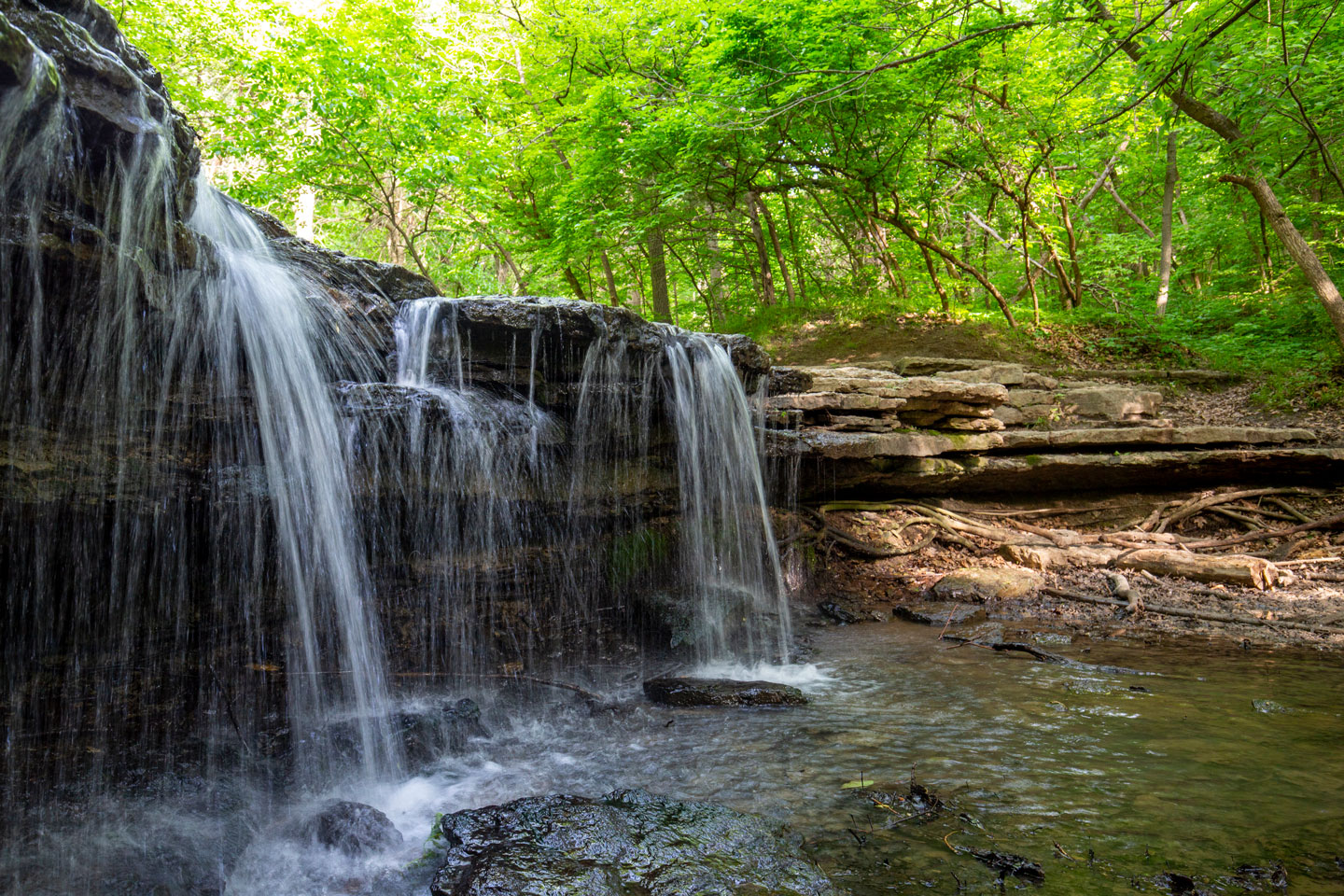
Nestled along the banks of the Platte River in central Nebraska, Platte River State Park spans 3,400 acres of diverse ecosystems, serving as a vital link between the state’s agricultural heartland and its natural heritage. Located approximately 40 miles south of Lincoln and 90 miles north of Omaha, the park occupies a strategic position in Nebraska’s landscape, bridging the Nebraska Sandhills to the west and the fertile river valleys to the east. Established in 1957 as part of Nebraska’s growing network of protected areas, the park preserves a landscape shaped by Indigenous peoples, fur traders, and pioneer settlers, including the historic Platte River Trail used by Lewis and Clark’s Corps of Discovery in 1804. Beyond its recreational appeal, the park plays a critical role in conserving the Platte River ecosystem, a vital migratory corridor for birds and a haven for endangered species like the whooping crane and least tern.
The park’s geography is defined by the Platte River’s winding course, which carves through the landscape, creating sandbars, wetlands, and cottonwood forests along its banks. The river’s flow varies seasonally, with spring runoff transforming the floodplain into a lush, dynamic habitat. Adjacent to the river, prairie grasslands and wooded uplands support a rich biodiversity, including white-tailed deer, river otters, bald eagles, and over 250 bird species. The park’s establishment also reflects Nebraska’s commitment to balancing conservation with outdoor recreation, offering hiking, fishing, camping, and educational programs while safeguarding one of the Midwest’s most ecologically significant waterways.

Geographical and Historical Foundations of the Park
Platte River State Park’s location along the Platte River—often called the "Big Muddy" by pioneers—positions it as a crossroads of natural and human history. The river, formed by the confluence of the South Platte and North Platte Rivers near Fort Collins, Colorado, flows northeastward through Nebraska before joining the Missouri River near Omaha. This stretch of the Platte was historically known as the "Great American Desert" by early explorers, a term that belied its ecological richness. The river’s floodplains provided critical water sources for Indigenous tribes, including the Otoe, Pawnee, Omaha, and Ponca, who relied on its fish, game, and medicinal plants. European settlers later followed the river as part of the Oregon, California, and Mormon Trails, with the Platte serving as a lifeline for westward expansion.
The park’s establishment in the mid-20th century was driven by conservation efforts to protect the river’s declining habitats. By the 1950s, overgrazing, agriculture, and urban development threatened the Platte’s ecosystems, prompting Nebraska to designate the area as a state park. Key milestones in the park’s history include: - 1957: Official designation as Platte River State Park, managed by the Nebraska Game and Parks Commission. - 1970s–1980s: Expansion of conservation programs to restore wetlands and control invasive species. - 1990s: Recognition as part of the Central Platte Natural Resources District, a collaborative effort to manage water quality and habitat restoration. - 2000s–present: Designation as a Critical Habitat Area for migratory birds, with ongoing partnerships with organizations like the Platte River Recovery Implementation Program.
The park’s Indigenous and pioneer heritage remains a defining feature. Archaeological sites within the park, such as petroglyphs and artifact scatters, hint at thousands of years of human activity. Meanwhile, the Lewis and Clark Expedition’s journey along the Platte in 1804–1805 left a lasting imprint, with the park now marking one of the most significant corridors of early American exploration.
Ecological Importance and the Platte River’s Role in the Midwest
Platte River State Park serves as a keystone ecosystem in the Midwest, supporting migratory bird populations, endangered species, and water-dependent wildlife. The Platte River is one of the few remaining large, free-flowing rivers in the region, making it a critical stopover for birds traveling the Central Flyway. Each spring and fall, millions of birds—including sandhill cranes, ducks, and shorebirds—rely on the river’s shallow waters and sandbars for feeding and resting. The park’s wetlands and floodplains also filter water, reduce sediment runoff, and maintain hydrological balance in Nebraska’s agricultural landscape.
The river’s cottonwood forests and riparian zones provide habitat for species like the least tern and piping plover, both federally endangered. Additionally, the park’s prairie grasslands support pollinators and small mammals, contributing to the broader Great Plains ecosystem. Conservation efforts at Platte River State Park focus on: - Wetland restoration to enhance bird habitat and water filtration. - Invasive species management, particularly saltcedar and Russian olive, which degrade native plant communities. - Public education programs on sustainable water use and wildlife protection.
The park’s scientific research has also contributed to regional conservation. Studies conducted within its boundaries have informed policies on river flow management, climate resilience, and species recovery, making it a model for Midwest wetland conservation.
Comparative Analysis: Platte River State Park Among Nebraska’s Premier Parks
While Platte River State Park stands out for its riverine ecosystems and historical significance, Nebraska offers a diverse range of state parks, each with unique attractions. Below is a comparative overview of four key parks, highlighting their size, attractions, and ecological features:
| Park Name | Size (Acres) | Key Attractions | Unique Features | Ecological Significance | |||||||||||||||||||||||||||||||||||||||
|---|---|---|---|---|---|---|---|---|---|---|---|---|---|---|---|---|---|---|---|---|---|---|---|---|---|---|---|---|---|---|---|---|---|---|---|---|---|---|---|---|---|---|---|
| Platte River State Park | 3,400 |
|
|
|
|||||||||||||||||||||||||||||||||||||||
| Chimney Rock National Historic Site | 320 (park), 80 (historic site) |
|
|
|
|||||||||||||||||||||||||||||||||||||||
| Ashfall Fossil Beds State Historical Park | 1,800 | <
| Era | Key Event | Landscape Transformation |
|---|---|---|
| Pre-1500s | Indigenous tribes inhabit the river valley | Lush prairie grasslands, dense woodlands along waterways, and seasonal floodplains teeming with wildlife. |
| 1804–1806 | Lewis and Clark Expedition passes through | Minimal human impact; explorers document abundant game, including bison, elk, and river otters. |
| 1840s–1860s | Oregon, California, and Mormon Trails peak | Wagon ruts carve deep grooves into the soil; overhunting reduces bison populations by 90%. |
| 1860–1861 | Pony Express operates along the river | Horse trails intersect with wagon routes; small waystations emerge near water sources. |
| 1870s–1890s | Fort Kearny established; tribal removals occur | Military presence alters local ecosystems; irrigation divert |
Conservation and Sustainability: Protecting Platte River State Park for Future Generations
Platte River State Park stands as a critical ecological stronghold in Nebraska, where the intersection of natural beauty and historical significance demands proactive conservation measures. The park’s delicate balance of wetlands, grasslands, and riparian habitats faces persistent threats from agricultural runoff, invasive species, and habitat fragmentation, all of which undermine biodiversity and water quality. Despite these challenges, collaborative efforts between the Nebraska Game and Parks Commission, nonprofit organizations, and dedicated volunteers have established a robust framework for sustainability. These initiatives not only address immediate environmental pressures but also foster long-term resilience, ensuring the park remains a thriving ecosystem for wildlife and visitors alike. The Platte River’s health is intricately linked to the well-being of migratory birds, endangered species like the whooping crane, and aquatic ecosystems that support fisheries. Pollution from agricultural chemicals, plastic waste, and sediment runoff disrupts this equilibrium, while invasive species such as saltcedar and common reed outcompete native flora, altering habitat structures. Habitat fragmentation, driven by urban expansion and land-use changes, further isolates wildlife populations, reducing genetic diversity and adaptive capacity. Addressing these issues requires a multi-faceted approach, integrating scientific monitoring, community engagement, and adaptive management strategies tailored to the park’s unique challenges.
Conservation Challenges and Their Ecological Impacts
The Platte River Basin, a vital artery for Nebraska’s ecosystems, confronts three primary conservation challenges: water quality degradation, invasive species proliferation, and habitat fragmentation. Agricultural runoff, particularly from fertilizers and pesticides, introduces excess nutrients into the river, leading to harmful algal blooms that deplete oxygen levels and threaten aquatic life. Plastic waste, often discarded along shorelines or carried downstream, entangles wildlife and contaminates soil, further degrading habitat quality. Invasive species, such as the zebra and quagga mussels, clog water intakes and disrupt food webs, while saltcedar trees consume vast amounts of water, exacerbating drought conditions in already water-stressed regions. Habitat fragmentation poses another critical threat, as development and agricultural activities divide the park’s ecosystems into isolated patches. This fragmentation forces species like the least tern and piping plover—both federally endangered—to travel greater distances for food and nesting sites, increasing vulnerability to predators and environmental stressors. The cumulative effect of these challenges is a decline in biodiversity, reduced ecosystem services (such as water filtration and flood mitigation), and diminished recreational value for visitors. Without intervention, these pressures could erode the park’s ecological integrity, compromising its role as a migratory stopover and a haven for native species.
Conservation Programs and Partnerships
The Nebraska Game and Parks Commission, in collaboration with organizations like the Platte River Recovery Implementation Program (PRRIP) and The Nature Conservancy, has launched targeted initiatives to mitigate these threats. One key program is the habitat restoration corridor, which focuses on reconnecting fragmented landscapes through native plantings and controlled burns to restore prairie ecosystems. The Platte River Whooping Crane Maintenance Trust partners with farmers to implement conservation practices that reduce agricultural runoff, such as buffer strips and precision irrigation, while the Nebraska Environmental Trust funds projects like wetland enhancement to improve water quality. Water quality monitoring is another cornerstone of conservation efforts, with the Nebraska Department of Environmental Quality conducting regular tests for contaminants and collaborating with universities to assess the impact of pollution on fish and amphibian populations. The Platte River State Park’s Adopt-a-Trail program engages volunteers in invasive species removal, particularly targeting leafy spurge and Russian olive, which threaten native vegetation. Additionally, the Citizen Science Initiative, led by the Omaha’s Henry Doorly Zoo, trains visitors to participate in bird and butterfly surveys, providing critical data for adaptive management.
Volunteer and Citizen Science Contributions
Public participation is a linchpin of Platte River State Park’s conservation strategy, offering hands-on opportunities for visitors to contribute to scientific research and habitat restoration. The Volunteer Steward Program recruits individuals to assist with trail maintenance, invasive species removal, and educational outreach, while the Junior Ranger Program introduces children to conservation principles through guided activities. Citizen science projects, such as the eBird and iNaturalist platforms, allow visitors to log wildlife sightings, creating a crowdsourced database that helps track species populations and migration patterns. One standout example is the Platte River Whooping Crane Festival, where volunteers monitor crane nests and collect data on nesting success, which informs habitat management decisions. The park also hosts workshops on Leave No Trace principles, teaching visitors how to minimize their environmental footprint during hikes and camping trips. These efforts not only enhance conservation outcomes but also foster a culture of stewardship among local communities and tourists.
Sustainable Practices and Eco-Friendly Infrastructure
Platte River State Park has implemented several sustainable practices to reduce its ecological footprint, including waste reduction programs, renewable energy adoption, and eco-friendly infrastructure. The park’s composting toilets and recycling stations divert waste from landfills, while solar-powered facilities reduce reliance on non-renewable energy sources. To protect sensitive wetlands, boardwalks and elevated trails minimize human impact on vegetation, allowing visitors to explore without trampling fragile ecosystems. Water conservation is another priority, with the park using drip irrigation for landscaping and promoting rainwater harvesting in visitor centers. The Platte River State Park’s “Trash to Treasure” initiative repurposes discarded materials into educational signage and trail markers, reducing waste while raising awareness about sustainability. These measures align with Nebraska’s Sustainable Nebraska 2020 goals, demonstrating the park’s commitment to environmental responsibility.
Comparative Analysis: Platte River State Park vs. Assateague Island National Seashore
A comparative examination of conservation strategies reveals both similarities and innovative solutions between Platte River State Park and Assateague Island National Seashore, which faces analogous pressures from pollution, invasive species, and habitat loss. Both parks employ habitat restoration and public-private partnerships, but Assateague’s coastal resilience programs offer a model for adaptive management. For instance, Assateague uses living shorelines to mitigate erosion and protect nesting sites, while Platte River focuses on riparian buffer zones to filter agricultural runoff. Assateague’s wildlife crossings (e.g., wildlife overpasses) reduce vehicle-wildlife collisions, a strategy Platte River could adopt to connect fragmented habitats. However, Platte River’s agricultural conservation partnerships are uniquely tailored to the Midwest’s farming landscape, demonstrating how regional collaboration can address localized threats. Both parks leverage citizen science and educational outreach, but Platte River’s emphasis on migratory bird conservation sets it apart, given its role as a critical stopover on the Central Flyway.
Success Stories and Measurable Outcomes
Conservation efforts at Platte River State Park have yielded tangible results, including improved water quality and increased wildlife populations. Since the implementation of agricultural best management practices, phosphorus and nitrogen levels in the Platte River have decreased by 15-20% in key monitoring sites, reducing algal blooms and benefiting fish species like the pallid sturgeon. The whooping crane population has stabilized, with over 500 individuals now using the Platte River as a migratory stopover, thanks to habitat restoration and predator control measures. The least tern and piping plover have seen steady nesting success rates above 70% in protected areas, attributed to predator exclusion programs and beach restoration projects. Additionally, the reintroduction of native prairie grasses has reduced soil erosion and improved water retention, enhancing resilience against drought. These successes underscore the effectiveness of integrated conservation strategies, though ongoing monitoring ensures adaptive responses to emerging threats.
Sustainability Goals, Progress, and Visitor Contributions
Platte River State Park has established five key sustainability goals for 2025, outlined in the table below, along with progress updates and actionable steps for visitors to contribute:
| Goal | Current Progress (2024) | Visitor Contributions | ||||||||||||||||||
|---|---|---|---|---|---|---|---|---|---|---|---|---|---|---|---|---|---|---|---|---|
| Reduce agricultural runoff by 30% through buffer strips and precision farming. | 22% reduction achieved; 120+ farms participating in conservation programs. | Support local farmers’ markets
Visitor’s Guide: Practical Information and Tips for Exploring Platte River State ParkPlatte River State Park offers an unparalleled blend of natural beauty and outdoor adventure, but a well-prepared visit ensures an enjoyable and seamless experience. Whether you’re a first-time visitor or a seasoned explorer, this guide provides essential details on park logistics, accommodation options, seasonal preparation, and curated recommendations to maximize your time along the Platte River. From navigating park access to packing the right gear, these insights will help you plan a trip tailored to your interests, budget, and travel style—whether for a day trip or an overnight expedition.Essential Visitor InformationPlatte River State Park operates year-round, though hours and accessibility may vary by season. The park’s main entrance is located at 1001 State Park Road, Grand Island, NE 68803, with additional access points along the river corridor. Park hours are typically 6:00 AM to 10:00 PM during summer (May–September) and sunrise to sunset in winter (October–April), though these may adjust for special events or conservation efforts. Entrance fees are $10 per vehicle (valid for 7 days) or $30 for an annual pass, with discounts available for Nebraska residents, seniors, and active military personnel. Accessibility options include paved trails, wheelchair-friendly picnic areas, and restrooms with accessible facilities. For emergencies or general inquiries, contact the park office at (308) 398-5216 or visit Nebraska Game and Parks Commission for real-time updates.Accommodation Options Near the ParkVisitors to Platte River State Park have diverse lodging choices, ranging from rustic campgrounds to upscale hotels, catering to every budget. The park’s campgrounds, including Platte River State Park Campground (with 50 sites featuring electric hookups, showers, and a dump station), offer an immersive experience. Reservations are recommended, especially during peak seasons (spring migration and fall hunting), and can be made via Recreation.gov or by calling (800) 432-2531. For those preferring indoor accommodations, Grand Island (15 minutes away) hosts options like the Holiday Inn Express & Suites (mid-range, family-friendly) or The Lodge at Platte River (luxury riverfront stays with spa services). Budget travelers can explore Airbnb vacation rentals in nearby communities such as Kearney or Hastings, often providing kitchenettes and outdoor space. Pro tip: Book early for weekends, as nearby lodges fill quickly during major events like the Platte River Whooping Crane Festival.Must-Bring Items for a VisitPacking efficiently ensures comfort and safety during your visit. For hiking and wildlife observation, essentials include sturdy hiking boots, binoculars, plenty of water (at least 2 liters per person), and a lightweight backpack with snacks. Fishing enthusiasts must bring a Nebraska fishing license (available online or at local bait shops), tackle gear, and a coolers with ice for fresh catches. Seasonal considerations are critical: Summer visits require sunscreen (SPF 30+), hat, insect repellent, and quick-dry clothing, while winter excursions demand thermal layers, waterproof gloves, ice cleats, and a portable heater for campers. Rainy seasons (spring/fall) call for waterproof jackets and trail maps—cell service is unreliable in remote areas. Always include a first-aid kit, multi-tool, and whistle for emergencies.Accessing the Park: Transportation OptionsPlatte River State Park is most easily reached by personal vehicle, with I-80 providing the closest highway access via Exit 342 (Grand Island). For those using public transportation, Jefferson Lines offers bus service to Grand Island from Omaha (3-hour ride), with connections to local taxis or rideshares (Uber/Lyft) for the final leg. Carpooling is encouraged, especially during peak seasons, with designated parking areas near trailheads. Guided tours, such as those offered by Platte River Whooping Crane Tours, provide shuttle services from Grand Island hotels to key viewing spots. Nearby amenities include rest stops along I-80 (Exit 340) and gas stations in Columbus (10 miles south), though fuel prices may vary. Pro tip: Download offline maps (e.g., Google Maps or Gaia GPS) before arrival, as GPS signals can be spotty in the park’s river valleys.Day-Use vs. Overnight Visits: A Comparative GuidePlanning your visit type depends on your goals, budget, and available time. Below is a responsive table comparing day-use and overnight experiences, including costs, amenities, and ideal activities:
Insider Tips from a Local Park Ambassador"For first-time visitors, I always recommend starting at the Platte River Visitor Center to pick up a free trail map and crane-watching guide. The Willow Creek Trail is perfect for families—it’s flat, shaded, and often lined with wildflowers in summer. My hidden gem? The sunset spot near the river bend (just past the campground)—it’s less crowded than the main overlooks but offers the best views of cranes at dusk. Pro tip: Arrive by 4:30 AM in March for the best crane sightings, and bring a thermos of coffee. Locals also swear by The Crane Supper in Grand Island for post-adventure meals—try the bison burger!" —Sarah Mitchell, Park Naturalist & Owner, Mitchell’s River Outfitters Seasonal Packing GuidePreparing for Platte River State Park depends heavily on the season, each offering distinct challenges and opportunities. Spring (March–May) is prime for whooping crane migration, requiring layered clothing, binoculars, and bug spray (mosquitoes are aggressive). Summer (June–August) demands hydration packs, cooling towels, and UV-protective gear, while fall (September–November) is ideal for hunting season—pack orange safety vests, ear protection, and warm layers for chilly mornings. Winter (December–February) transforms the park into a quiet retreat; essentials include insulated boots, hand warmers, and a portable GPS (snow can obscure trails). Regardless of season, always carry a reusable water bottle, trash bag (pack it out!), and park regulations pamphlet—leave no trace is critical in this fragile ecosystem.Sample Weekend Itinerary: Balancing Adventure and RelaxationA well-paced weekend atPlatte River State Park is more than a destination; it is a living archive of Nebraska’s past, present, and future. Whether you stand on the riverbanks watching whooping cranes glide overhead or follow the footsteps of pioneers along historic trails, the park demands both reverence and engagement. Its challenges—from invasive species to shifting migration patterns—are not just ecological but cultural, reflecting the broader fight to protect wild spaces in an era of rapid change. As visitors leave their footprints in the sand, they carry away more than memories; they become stewards of a legacy that spans millennia, ensuring the Platte River’s story continues to flow for generations. |
Leave a Comment
Comments are moderated before appearing. The data you submit is processed according to the Privacy Policy of Gestionale.