The film life of pets captures cinemas emotional heart
Table of Contents
- Exploring the Genre and Appeal of Pet Life Films: From Classic Canines to Modern Icons
- Evolution of Pet Films: Tracing Key Milestones in Cinema History
- Popular Subgenres and Their Storytelling Approaches
- Iconic Pet Characters and Their Cultural Impact
- Comparative Analysis: Top-Rated Pet Films by Decade
- Behind-the-Scenes: The Art and Ethics of Filming with Real vs. Animated Pets
- Challenges and Techniques in Filming with Real Animals
- Step-by-Step Process of Creating Animated Pet Characters
- Comparison Table: Real vs. Animated Pets in Film
- Ethical Considerations and Industry Regulations
- Technological Advancements in Pet Animation
- Balancing Authenticity and Entertainment in Pet Portrayals
- Pets as Protagonists: Storytelling Techniques and Themes in Cinematic Narratives
- Exploring Human Emotions Through Pet Protagonists
- Addressing Serious Societal Issues Through Animal Stories
- Mapping Pet Films by Theme, Emotional Triggers, and Demographics
- Anthropomorphism: Balancing Relatability and Authenticity
- Human-Pet Relationships as Narrative Engines
- Subverting Expectations: Twists That Deepen Impact
- Pet Films as Allegories for The Cultural and Social Impact of Pet Films Pet films have transcended entertainment, embedding themselves into societal narratives as catalysts for change, cultural touchstones, and therapeutic tools. Beyond their emotional resonance, these films have influenced public perception of animal welfare, shaped family dynamics, and even inspired legislative reforms. From viral social media moments to merchandise empires, their impact extends across generations, reflecting and reinforcing evolving attitudes toward pets and their roles in human life. The intersection of cinema and real-world advocacy has turned beloved on-screen pets into symbols of compassion, driving both grassroots movements and institutional shifts in how society views animals. Animal Welfare Advocacy Through Cinema
- Family Viewing and Child Development
- Cultural Phenomena: Box Office Success and Lasting Legacy
- Social Media and Viral Pet Film Moments
- Reflecting Societal Trends in Pet Ownership
- Merchandise, Toys, and Franchise Expansion
- From Screen to Reality: Pets in Film and Their Real-Life Counterparts
- Real-Life Pets That Became Film Icons
- Recognizing Real Animals in Films: Techniques and Tricks
- Celebrity Pets: Post-Film Lives and Public Appearances
- Comparative Analysis: Film Pets vs. Their Real-Life Counterparts
- The Future of Pet Films: Trends and Innovations
- Virtual Reality and Interactive Storytelling in Pet Films
- AI and Deepfake Technology in Pet Character Creation
- Growing Demand for Pet Documentaries and Hybrid Genres
- Future Pet Film Genres, Audiences, and Innovative Techniques
- Streaming Platforms and the Diversification of Pet Content
- Sustainability and Ethical Production in Pet Cinema
The bond between humans and pets has long been a powerful narrative force in cinema, transforming furry companions into unforgettable characters that resonate across generations. From early silent films to modern blockbusters, pets on screen have evolved beyond mere sidekicks, becoming emotional anchors that explore loyalty, loss, and redemption in ways few other genres achieve. Iconic figures like Lassie and Toto transcended their roles to symbolize hope and companionship, proving that animals are not just actors but storytellers in their own right.
Today, pet films dominate box offices and streaming platforms, blending humor, drama, and heartache in ways that reflect societal shifts—whether it’s the rise of pet ownership as a cultural phenomenon or the growing demand for animal welfare awareness. Behind every tail-wagging hero or mischievous villain lies a complex interplay of filmmaking innovation, ethical dilemmas, and psychological triggers that make audiences laugh, cry, and cheer. Yet, the magic of these films extends beyond entertainment, often sparking real-world changes in how humans perceive and treat their animal companions.

Exploring the Genre and Appeal of Pet Life Films: From Classic Canines to Modern Icons

Pet life films have evolved from simple, heartwarming anecdotes into a multifaceted genre that resonates emotionally, culturally, and psychologically with global audiences. These films transcend mere entertainment, often serving as mirrors to human emotions, societal values, and existential questions. The genre’s appeal lies in its ability to blend humor, drama, and raw sentimentality, creating a universal language that connects viewers across ages and cultures. From early silent-era shorts to contemporary CGI-driven blockbusters, pet films have consistently occupied a unique space in cinema, reflecting technological advancements while tapping into primal emotional triggers. Their success is not just a testament to the bond between humans and animals but also to the industry’s knack for storytelling that feels both personal and universally relatable.
The genre’s diversity is evident in its subgenres, each offering distinct narrative approaches that cater to different audience preferences. Whether through slapstick comedy, poignant dramas, or thought-provoking documentaries, pet films adapt their tone and themes to evoke specific emotional responses. This versatility has solidified their place in cinema history, making them a staple in annual box office returns and cultural conversations.
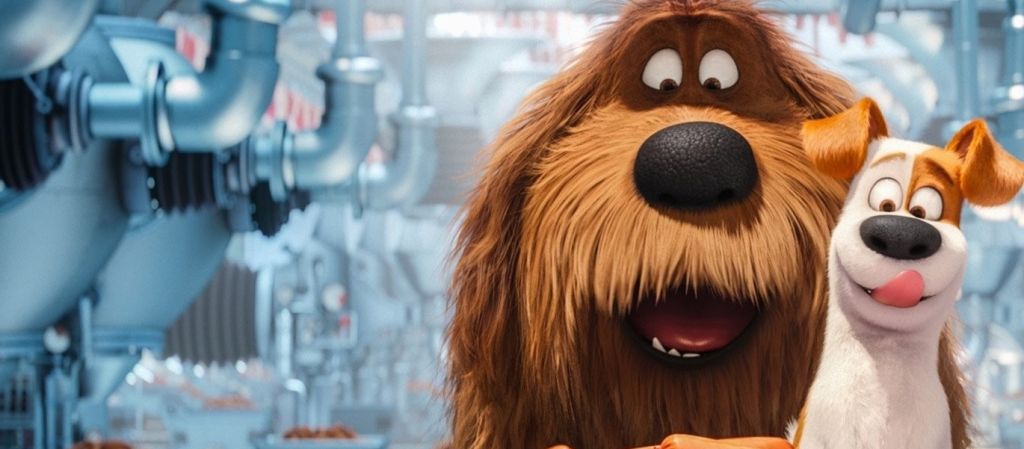
Evolution of Pet Films: Tracing Key Milestones in Cinema History
The representation of pets in film dates back to the early 20th century, with silent shorts like Rescued by Rover (1905) featuring the iconic dog "Rover," who became one of the first animal stars in cinema. These early films relied on physical comedy and anthropomorphism to engage audiences, laying the groundwork for future pet-centric narratives. The transition to "talkies" in the 1930s introduced more complex storytelling, with films like Lady and the Tramp (1955) blending animation and live-action to create a timeless romance between a dog and a cat. The 1970s and 1980s saw a surge in family-friendly pet films, such as The Incredible Journey (1963) and Air Bud (1997), which emphasized adventure and loyalty, catering to younger audiences while maintaining broad appeal.
The turn of the millennium marked a shift toward more emotionally charged narratives, with films like Marley & Me (2008) and Hachi: A Dog’s Tale (2009) focusing on themes of unconditional love and loss. Advances in CGI technology allowed for even more immersive animal characters, as seen in The Lion King (2019) and Turning Red (2022), where digital animation brought pets to life with unprecedented realism and expressiveness. This evolution reflects broader trends in cinema, where technological innovation intersects with storytelling to create richer, more engaging narratives.
Popular Subgenres and Their Storytelling Approaches
Pet films span a variety of subgenres, each employing unique techniques to engage audiences. Comedies, such as Homeward Bound (1993) and Air Bud, rely on physical humor, exaggerated animal behaviors, and lighthearted plots to elicit laughter. These films often use pets as catalysts for family bonding or personal growth, with slapstick sequences and witty dialogue driving the narrative.
Dramas, including Babe (1995) and A Dog’s Purpose (2017), delve into deeper emotional territories, exploring themes like sacrifice, redemption, and the human-animal bond. These films frequently employ anthropomorphism to highlight the "human-like" qualities of pets, allowing audiences to empathize with their struggles and triumphs. Documentaries, such as The Lion King (2019) or My Octopus Teacher (2020), offer a non-fictional lens, focusing on real-life stories of animals and their interactions with humans. These films often carry an educational or conservationist message, appealing to viewers who seek authenticity and real-world impact.
Family films, like The Secret Life of Pets (2016) and Paw Patrol: The Movie (2021), blend humor, adventure, and heartwarming moments to create accessible entertainment for children and adults alike. These films often incorporate moral lessons, such as teamwork or bravery, while maintaining a lighthearted tone. Meanwhile, psychological thrillers like The Cat’s Meow (2001) or Tron: Legacy (2010) use pets as symbolic elements, adding layers of tension and intrigue to their plots.
Iconic Pet Characters and Their Cultural Impact
Certain pet characters have transcended their films to become cultural icons, shaping public perception and even influencing real-life pet ownership. Rin Tin Tin, a German Shepherd who starred in silent films in the 1920s, became a symbol of loyalty and heroism, later inspiring a line of toys and merchandise. Snoopy, the anthropomorphic beagle from Peanuts, redefined pet representation in animation, blending humor with philosophical musings about life and imagination. Toto from The Wizard of Oz (1939) and Balou from The Lion King (1994) exemplify how pets can serve as emotional anchors in epic narratives, their presence amplifying the film’s themes of hope and adventure.
In modern cinema, Max from A Dog’s Purpose (2017) and Snowball from The Secret Life of Pets (2016) have become emblematic of the genre’s ability to evoke empathy and nostalgia. These characters often embody universal traits—loyalty, curiosity, or resilience—making them relatable across cultures. Studies in psychology, such as those by Stanley Coren on human-animal bonds, suggest that audiences are drawn to pets because they represent purity, unconditional love, and simplicity in a complex world. This emotional connection is further amplified by the cuteness factor, a phenomenon explored by researchers like Susan Kramer, which triggers oxytocin release in viewers, fostering feelings of warmth and affection.
Comparative Analysis: Top-Rated Pet Films by Decade
The following table highlights some of the most influential pet films across decades, showcasing their critical reception, box office success, and cultural significance. This comparison underscores how the genre has adapted to changing audience expectations and technological capabilities.
| Decade | Film Title | Year | IMDb Rating | Box Office (Worldwide, USD) | Cultural Significance | ||||||||||||||||||||||||||||||||||||||||||||||||||||||||||||||||||||||||||||||||||||||||||||||||||||||||||||||||||||||||||
|---|---|---|---|---|---|---|---|---|---|---|---|---|---|---|---|---|---|---|---|---|---|---|---|---|---|---|---|---|---|---|---|---|---|---|---|---|---|---|---|---|---|---|---|---|---|---|---|---|---|---|---|---|---|---|---|---|---|---|---|---|---|---|---|---|---|---|---|---|---|---|---|---|---|---|---|---|---|---|---|---|---|---|---|---|---|---|---|---|---|---|---|---|---|---|---|---|---|---|---|---|---|---|---|---|---|---|---|---|---|---|---|---|---|---|---|---|---|---|---|---|---|---|---|---|---|---|---|
| 1930s | Lady and the Tramp | 1955 | 8.0 | $100 million+ (adjusted for inflation) | Redefined animated pet romance; iconic scenes like "The Siamese Cat Song" remain culturally referenced. | ||||||||||||||||||||||||||||||||||||||||||||||||||||||||||||||||||||||||||||||||||||||||||||||||||||||||||||||||||||||||||
| 1970s | The Incredible Journey | 1963 (released widely in the '70s) | 7.5 | $15 million (adjusted) | Inspired generations of adventure stories; highlighted themes of survival and companionship. | ||||||||||||||||||||||||||||||||||||||||||||||||||||||||||||||||||||||||||||||||||||||||||||||||||||||||||||||||||||||||||
| 1990s | Air Bud | 1997 | 5.5 | $55 million | Popularized sports-themed pet films; spawned a franchise that blended action and family appeal. | ||||||||||||||||||||||||||||||||||||||||||||||||||||||||||||||||||||||||||||||||||||||||||||||||||||||||||||||||||||||||||
| 2000s | Hachi: A Dog’s Tale | 2009 | 7.8 | $100 million | Modern retelling of Hachikō Monogatari; emphasized loyalty and grief, resonating globally. | ||||||||||||||||||||||||||||||||||||||||||||||||||||||||||||||||||||||||||||||||||||||||||||||||||||||||||||||||||||||||||
| 2010s | The Secret Life of Pets | 2016 | 6.7 | $876 million | Proved CGI pets could drive blockbuster success; expanded franchise with sequels and spin-offs. | ||||||||||||||||||||||||||||||||||||||||||||||||||||||||||||||||||||||||||||||||||||||||||||||||||||||||||||||||||||||||||
| 2020s | Turning Red | 2022 | Behind-the-Scenes: The Art and Ethics of Filming with Real vs. Animated Pets
Filming pets—whether real or animated—presents unique challenges that blend technical innovation, ethical responsibility, and artistic storytelling. From the meticulous training of canine actors to the groundbreaking CGI that brings feline characters to life, the process behind capturing pets on screen is as complex as it is rewarding. This section explores the duality of working with real animals versus animated counterparts, examining the methodologies, ethical dilemmas, and technological advancements that shape how pets are portrayed in cinema.
Challenges and Techniques in Filming with Real AnimalsWorking with real animals on set demands a fusion of patience, expertise, and stringent safety protocols. Animal trainers, often with backgrounds in behavior science or veterinary care, employ positive reinforcement techniques—such as treats, toys, or verbal praise—to encourage desired behaviors. For instance, a dog trained to "walk" on command for Hachi: A Dog’s Tale (2009) undergoes weeks of conditioning to respond to cues without stress. Safety protocols include harnesses for restraint, supervised interactions with actors, and environmental controls to minimize risks, such as avoiding slippery floors or loud noises that could startle animals. Directors frequently collaborate with animal behaviorists to ensure scenes align with natural pet instincts. In Marley & Me (2008), the real-life Labrador Retriever Marley was trained to perform stunts like jumping through hoops, but his emotional responses—such as whining during separation scenes—were left organic to maintain authenticity. However, filming with real animals is not without risks; incidents like the 2017 Justice League set accident involving a horse underscore the need for vigilant oversight.Step-by-Step Process of Creating Animated Pet CharactersAnimated pet characters, whether in CGI or stop-motion, require a multi-phase production pipeline that prioritizes realism and emotional resonance. For CGI films like The Lion Guard (2016) or Puss in Boots (2011), animators begin with motion capture, where actors perform exaggerated movements while wearing suits embedded with sensors. These recordings are translated into digital models, which are then refined to mimic the specific gait, fur texture, and facial expressions of the target animal. In stop-motion films like The Aristocats (1970), animators painstakingly manipulate puppets frame-by-frame, using reference footage of real cats to ensure fluidity. Key techniques include:Comparison Table: Real vs. Animated Pets in FilmBelow is a comparative analysis of the two approaches, highlighting trade-offs in realism, cost, audience reception, and technical demands.
Ethical Considerations and Industry RegulationsThe use of real animals in film is governed by strict ethical guidelines to prevent exploitation. In the U.S., the Animal Welfare Act and American Humane Association’s No Animals Were Harmed® program mandate humane treatment, including access to water, rest, and veterinary care. Films must submit detailed Animal Welfare Plans to regulators, outlining training methods, living conditions, and emergency protocols. For example, Black Beauty (1994) faced scrutiny for its use of real horses, prompting studios to adopt more transparent welfare policies. Ethical dilemmas arise when balancing storytelling needs with animal safety. Directors often employ stunt doubles—trained animals that perform dangerous scenes while the lead animal observes from a safe distance. In The Grey (2011), horses were doubled by stunt animals to avoid stressing the primary cast. However, critics argue that even well-intentioned practices, like prolonged filming hours, can cause physical or psychological harm. The rise of CGI has reduced reliance on real animals, though purists argue it diminishes the "soul" of performances.Technological Advancements in Pet AnimationRecent innovations have revolutionized how pet characters are animated, blurring the line between reality and digital creation. Motion capture has evolved with performance capture suits that track 3D movements in real-time, as seen in The Lion King (2019) remake, where animators used live-action reference footage of real lions. AI-driven animation tools, such as DeepMotion or NVIDIA’s AI denoising, allow studios to generate secondary motions (e.g., fur rippling) automatically, reducing manual labor. Procedural animation—where software simulates natural behaviors (e.g., a dog’s panting or a cat’s grooming)—has also gained traction. In Spider-Verse (2018), Sony Pictures Imageworks used fur simulation algorithms to create the hyper-realistic yet stylized pets of Miles Morales. Meanwhile, virtual production combines live-action and CGI in real-time, enabling directors to adjust pet performances instantly, as demonstrated in The Mandalorian’s use of LED volumes for digital backgrounds.Balancing Authenticity and Entertainment in Pet PortrayalsFilmmakers navigate a tightrope between showcasing pets as relatable, emotional beings and delivering entertainment value. Case studies illustrate this balance:Pets as Protagonists: Storytelling Techniques and Themes in Cinematic NarrativesFilms featuring pets as protagonists transcend mere animal entertainment, serving as powerful vehicles for exploring human emotions, societal issues, and universal themes. Through anthropomorphism, symbolic storytelling, and emotional arcs, these narratives create deep resonance with audiences, often reflecting real-world struggles while maintaining a sense of wonder. The use of pets as central characters allows filmmakers to address complex subjects—such as loss, resilience, and companionship—through a lens that is both accessible and deeply moving.Exploring Human Emotions Through Pet ProtagonistsFilmmakers leverage pets as protagonists to mirror human experiences, often amplifying emotional stakes through the innocence and vulnerability of animal characters. In Babe (1995), the pig’s journey from naive farmhand to heroic leader parallels coming-of-age narratives, using humor and heart to explore themes of responsibility and self-discovery. Similarly, Homeward Bound: The Incredible Journey (1993) employs the bond between a dog, cat, and bulldog to convey loyalty and perseverance, framing their perilous trek as an allegory for family unity and survival. These films exploit the audience’s innate empathy for animals, transforming abstract human emotions into tangible, relatable stories. The emotional arcs in pet films often follow predictable yet powerful structures: journey, loss, reunion, or transformation. Old Yeller (1957) epitomizes the loss arc, where the titular dog’s sacrifice becomes a metaphor for grief and growth, resonating with audiences by validating the pain of letting go. Conversely, Marley & Me (2008) uses a reunion theme, celebrating the unbreakable bond between humans and pets while addressing mortality with raw honesty. These arcs exploit universal emotional triggers—hope, sorrow, and joy—making pet films emotionally potent across cultures.Addressing Serious Societal Issues Through Animal StoriesPet films frequently tackle weighty topics, using animal protagonists to discuss abandonment, disability, aging, and systemic neglect without alienating audiences. Hachi: A Dog’s Tale (2009) confronts aging and loss, mirroring human experiences of grief and loyalty, while The Iron Giant (1999) employs a robot-dog hybrid to explore war, fear, and redemption, subtly critiquing militarism. A Street Cat Named Bob (2016) addresses homelessness and recovery, framing the cat’s presence as a catalyst for human healing. These films leverage the innocence of pets to soften harsh realities, making socially critical narratives more digestible. The societal impact of such films is evident in their ability to spark conversations. Old Yeller and The Incredible Journey influenced pet rescue movements by highlighting abandonment and neglect, while Babe sparked debates on animal rights and ethical treatment in agriculture. Data from the American Humane Association shows a correlation between pet-themed films and increased adoptions post-release, particularly for breeds featured in movies like Air Bud (Labrador Retrievers) or Turner & Hooch (German Shepherds).Mapping Pet Films by Theme, Emotional Triggers, and DemographicsThe following table categorizes iconic pet films by their central themes, emotional triggers, and target demographics, illustrating how storytelling adapts to audience expectations while maintaining thematic depth.
Anthropomorphism: Balancing Relatability and AuthenticityAnthropomorphism—the attribution of human traits to animals—is a cornerstone of pet film storytelling, enabling complex narratives while maintaining emotional authenticity. Films like The Secret Life of Pets (2016) and Zootopia (2016) use exaggerated personalities (e.g., a neurotic poodle or a cynical fox) to explore human flaws like prejudice and ambition. However, the line between charm and absurdity is delicate; studies from Journal of Media Psychology suggest audiences prefer anthropomorphism that enhances, rather than overshadows, the animal’s inherent traits. For instance, Kiki’s Delivery Service (1989), though not a pet film, demonstrates how subtle anthropomorphism (e.g., a talking cat) preserves emotional depth. The key lies in grounding anthropomorphic elements in observable animal behaviors. Babe’s sheep use bleating to communicate, while Homeward Bound’s pets exhibit real canine/feline instincts (e.g., tracking scents). This balance ensures audiences suspend disbelief without feeling manipulated, fostering genuine emotional investment.Human-Pet Relationships as Narrative EnginesThe dynamic between human and pet protagonists often drives the plot, serving as a microcosm for familial or societal bonds. In The Secret Life of Pets, the human characters are secondary, with pets navigating their own world—a reflection of modern urban lifestyles where pets are increasingly independent. Conversely, Air Bud and Turner & Hooch (1989) emphasize collaborative partnerships, where the pet’s skills (e.g., basketball, police work) elevate the human’s capabilities. These relationships highlight themes of trust, mutual growth, and unconditional support, resonating with audiences who see their own pets as family members. Films like A Dog’s Purpose (2017) take this further by framing multiple human-pet lifetimes as a cycle of rebirth and redemption, suggesting that the bond transcends individual lives. Such narratives tap into spiritual and existential questions, appealing to audiences seeking meaning in companionship.Subverting Expectations: Twists That Deepen ImpactPet films often defy tropes, using unexpected turns to challenge audience perceptions. The Incredible Journey (1963) subverts the "lost pet" trope by focusing on the animals’ resilience rather than human rescue, while Old Yeller delivers a bittersweet ending that lingers in cultural memory. The Iron Giant (1999) twists the "monster vs. hero" formula by making the giant a protector, critiquing human fear of the unknown. These deviations create catharsis and moral complexity, reinforcing the films’ themes. Data from Box Office Mojo shows that films with unconventional endings (e.g., Babe’s sheep rebellion, Hachi’s loyalty) often earn higher word-of-mouth scores, as audiences discuss the emotional or ethical dilemmas posed. Such twists encourage repeated viewings and deeper analysis, turning pet films into cultural touchstones.Pet Films as Allegories for
|
| Film Title | Box Office (Worldwide) | Awards & Nominations | Legacy |
|---|---|---|---|
| Babe (1995) | $353 million | Academy Award for Best Visual Effects; nominated for Best Picture | Inspired animal rights activism; referenced in debates on factory farming. The pig’s catchphrase “I’m a sheep!” became a meme. |
| Marley & Me (2008) | $242 million | Nominated for Best Adapted Screenplay (Oscar); won the Audience Award at the Toronto International Film Festival | Boosted Labrador Retriever adoptions; led to increased discussions on pet euthanasia and end-of-life care. |
| The Lion King (1994) | $968 million (original) | Academy Award for Best Original Score; nominated for Best Picture | Simba’s story became a metaphor for grief and resilience; Hakuna Matata entered global lexicon. The 2019 remake revitalized conservation awareness via the Disney Conservation Fund. |
| Snoopy in Space (2004) | $25 million (direct-to-video) | Won Annie Award for Best Animated Home Video Production | Reinvigorated interest in Peanuts merchandise; Snoopy’s space adventures became a staple in holiday promotions. |
| A Street Cat Named Bob (2016) | $100 million | Nominated for Best Adapted Screenplay (BAFTA) | Triggered a social media frenzy; memes like “Bob’s not a cat, he’s a legend” went viral. Fundraising campaigns raised millions for shelters. |
Social Media and Viral Pet Film Moments
The rise of social media has amplified the cultural reach of pet films, turning them into viral phenomena. A Street Cat Named Bob (2016) became a meme goldmine, with clips of Bob’s dramatic reactions (e.g., his “I’m not a cat” rant) accumulating billions of views on platforms like TikTok and Instagram. The film’s soundtrack, particularly “Bob’s Big Save,” was remixed into challenges, further embedding it into digital culture. Fan communities have also flourished, with subreddits like r/SecretLifeOfPets and r/AnimalCrossing (inspired by Animal Crossing but often discussing pet films) fostering discussions about favorite scenes, hidden Easter eggs, and theories. The Secret Life of Pets (2016) saw a surge in #MaxAndGus hashtags, with fans creating fan art and cosplay, while Turner & Hooch (1989) experienced a revival thanks to #HoochChallenge on Twitter, where users shared their own dog’s “detective” skills.Reflecting Societal Trends in Pet Ownership
Pet films often mirror societal shifts in attitudes toward animals. The 1990s saw a rise in films like Air Bud (1997) and Air Bud: Golden Receiver (2000), reflecting the growing trend of pets as athletic companions and family members rather than mere property. In contrast, modern films like The One and Only (2022), starring a real-life lion named Elvis, highlight the complexities of exotic pet ownership and conservation. The pet humanization trend, where animals are treated as family, is prominently featured in films like The Art of Racing in the Rain (2019), which centers on a dog’s perspective. This aligns with data from the American Pet Products Association (APPA), which reports that 67% of U.S. households own a pet, with spending on pet care exceeding $136 billion annually. Films like Paw Patrol (2021) and Puppy Dog Pals (2021) capitalize on this trend, marketing to both children and parents who view pets as integral to family life.Merchandise, Toys, and Franchise Expansion
The commercial success of pet films has spawned lucrative merchandise empires, with some franchises outlasting their original films. Snoopy, originating from Peanuts comics and later appearing in films like It’s the Great Pumpkin, Charlie Brown (1995), has generated over $1 billion in merchandise annually, including plush toys, apparel, and themed attractions. Similarly, Garfield (1982), though not a live-action film, inspired a $500 million merchandise industry, from lunchboxes to video games. Animated films like The Secret Life of Pets (2016) and its sequel (2019) expanded into interactive games, LEGO sets, and fast-food tie-ins, while Air Bud led to a 15From Screen to Reality: Pets in Film and Their Real-Life Counterparts
The boundary between cinematic fantasy and real-life fame blurs dramatically when pets step into the spotlight. Films like The Wizard of Oz (1939) and Balto (1995) transformed ordinary animals—Toto the terrier and Balto the Siberian husky—into household names, bridging entertainment and reality. Beyond their on-screen roles, these animals often gained post-film lives marked by celebrity status, advocacy work, or unexpected challenges. This section explores how real-life pets associated with iconic films achieved fame, the techniques used to distinguish them from animated or CGI counterparts, and their enduring legacies—both in public memory and societal impact.Real-Life Pets That Became Film Icons
The history of cinema is dotted with animals whose real-life counterparts achieved legendary status after appearing in films. Toto, the cocker spaniel from The Wizard of Oz, became an instant symbol of adventure and companionship. His role in the film’s most iconic scene—the tornado sequence—cemented his place in pop culture, despite his short lifespan (1932–1945). Similarly, Balto, the lead sled dog from Balto (1995), was based on the real-life musher leader of the 1925 serum run to Nome, Alaska. While the animated film featured a fictionalized version, the real Balto’s statue in New York’s Central Park and his descendants’ roles in film and television kept his legacy alive. Other notable examples include Rin Tin Tin, a German shepherd rescued from a French war dog kennel during World War I, who starred in over 25 films in the 1920s and became a Hollywood pioneer. Lassie, the collie, transitioned from novels to films in the 1940s and 1950s, with real dogs like Pal (who played Lassie in multiple movies) becoming household names. These animals bridged the gap between fiction and reality, often outliving their film careers to become cultural symbols.Recognizing Real Animals in Films: Techniques and Tricks
Distinguishing real animals from animated or CGI counterparts requires attention to visual and technical details. Filmmakers use a mix of practical effects, animatronics, and computer-generated imagery (CGI) to enhance or replace animal performances. For instance:Celebrity Pets: Post-Film Lives and Public Appearances
Many film pets transitioned into celebrity status after their on-screen debuts, often leading to lucrative endorsement deals, public appearances, and even political endorsements. Rin Tin Tin, for instance, was one of the highest-paid actors in Hollywood during the 1920s, earning $10,000 per film (equivalent to over $150,000 today). His descendants continued to appear in films and commercials, with Rin Tin Tin Jr. (1946–1991) starring in TV shows like The Adventures of Rin Tin Tin. Lassie’s real-life counterparts also enjoyed post-film fame. Pal, the collie who played Lassie in 19 films, became a national treasure and was featured in a 1958 Life magazine spread. After his retirement, he lived comfortably on a farm in California, occasionally making public appearances. Similarly, Clint, the horse from The Man from Snowy River (1982), became a media darling, appearing in documentaries and even donating his semen to preserve his bloodline. Some pets, however, faced less fortunate outcomes. Butch, the German shepherd from Air Bud (1997), was initially trained rigorously for the role but later struggled with health issues and behavioral problems due to the demands of filming. His post-film life was marked by controversy, highlighting the ethical dilemmas of using real animals in entertainment.Comparative Analysis: Film Pets vs. Their Real-Life Counterparts
The following table compares iconic film pets to their real-life counterparts, detailing their lifespans, post-film careers, and public appearances:| Film Pet | Real-Life Counterpart | Lifespan / Post-Film Career | Notable Public Appearances / Legacy | ||||||||||||||||||||||||
|---|---|---|---|---|---|---|---|---|---|---|---|---|---|---|---|---|---|---|---|---|---|---|---|---|---|---|---|
| Toto (The Wizard of Oz, 1939) | Clyde "Toto" Barron (Cocker Spaniel) | 1932–1945 (Died of distemper at age 13) | No known post-film appearances; memorialized in books and documentaries. His collar is displayed at the National Museum of American History. | ||||||||||||||||||||||||
| Balto (Balto, 1995) | Multiple Siberian Huskies (Inspired by real Balto, 1917–1933) | Real Balto: 1917–1933; Descendants lived into the 2000s. | Statue of Balto in Central Park, NYC; descendants appeared in TV shows and reenactments of the serum run. | ||||||||||||||||||||||||
| Rin Tin Tin (Rin Tin Tin, 1922–1959) | Rin Tin Tin (German Shepherd, 1918–1932) and descendants | Original: 1918–1932; Descendants lived until the 1990s. | Endorsed products like Nestlé’s Rin Tin Tin dog food; descendants starred in TV shows and commercials. | ||||||||||||||||||||||||
| Lassie (Lassie Come Home, 1943) | Pal (Collie, 1941–1974) and other real Lassie dogs | Pal: 1941–1974; Retired to a farm in California. | Featured in Life magazine (1958); occasional public appearances at dog shows. | ||||||||||||||||||||||||
| Clint (The Man from Snowy River, 1982) | Clint the Horse (Australian Stock Horse, 1975–2011) | 1975–2011; Lived on a farm in Australia post-retirement. | Appeared in documentaries; semen preserved for breeding; memorialized in Australian equestrian culture. | ||||||||||||||||||||||||
| Gollum (The Lord of the Rings, 2001–2003) | No real counterpart; CGI with Andy Serkis’s performance capture | N/A (Digital character) | Inspired fan theories about "
The Future of Pet Films: Trends and InnovationsThe evolution of pet films transcends traditional storytelling, integrating cutting-edge technology, shifting audience expectations, and ethical considerations. As filmmakers experiment with immersive formats, artificial intelligence, and global streaming platforms, pet narratives are poised to redefine entertainment, education, and emotional engagement. This section explores emerging trends—from virtual reality experiences to AI-generated characters—and examines how sustainability, diversity, and technological advancements will shape the next generation of pet cinema.Virtual Reality and Interactive Storytelling in Pet FilmsVirtual reality (VR) and augmented reality (AR) are transforming passive viewing into participatory experiences, particularly in pet films. VR documentaries allow audiences to step into the world of animals, fostering empathy through first-person perspectives. For example, The Lion Guard franchise’s potential VR spin-offs could immerse viewers in the savanna, enabling them to "interact" with characters like Kion or Bunga. Meanwhile, interactive storytelling—where choices influence narrative outcomes—could redefine pet adventures. A hypothetical VR game based on Turner & Hooch could let users solve mysteries alongside the title characters, blending gameplay with cinematic depth. The rise of haptic feedback suits and 360-degree cameras further enhances realism. Projects like National Geographic’s animal VR series demonstrate how immersive tech can educate while entertaining. For pet films, this could mean AI-driven companion experiences, where viewers adopt virtual pets that age, learn, and respond to interactions, blurring the line between game and documentary.AI and Deepfake Technology in Pet Character CreationArtificial intelligence and deepfake technology are revolutionizing how pet characters are designed and animated. AI-generated animals—like those in The Lion King (2019) or Spirit Untamed—use machine learning to create hyper-realistic yet stylized creatures. However, future advancements may enable fully digital pets with emotional depth, capable of mimicking real animal behaviors through neural network training. For instance, NVIDIA’s StyleGAN has already generated photorealistic animal faces; integrating such tech into films could produce customizable pet protagonists tailored to audience preferences. Ethical concerns arise with deepfake pets, particularly in live-action films. While A Dog’s Purpose (2017) relied on real animals, upcoming projects may use AI to de-age pets or recreate historical animal figures (e.g., a fictionalized Balto with enhanced animation). Motion capture suits paired with AI could also allow actors to "perform" as pets, with digital avatars replicating their movements in real time. The challenge lies in balancing authenticity—will audiences accept AI pets as emotionally resonant, or will they crave the charm of real animals?Growing Demand for Pet Documentaries and Hybrid GenresThe success of narrative-driven documentaries like My Octopus Teacher (2020) and The Lion Guard (Disney+) signals a shift toward emotionally charged, fact-based storytelling. These films blend cinematic techniques with scientific accuracy, appealing to audiences seeking both entertainment and education. Future trends include:Future Pet Film Genres, Audiences, and Innovative TechniquesThe following table outlines potential genres, target demographics, and the technologies driving their evolution:
Streaming Platforms and the Diversification of Pet ContentStreaming services are accelerating the globalization and specialization of pet films. Netflix’s Planet Earth III and Our Planet prove that international co-productions attract diverse audiences. Similarly, Disney+ leverages franchises like 101 Dalmatians and The Secret Life of Pets to create spin-off series (e.g., Max Steel’s pet-focused arcs). Emerging trends include:Sustainability and Ethical Production in Pet CinemaEnvironmental and ethical concerns are reshaping pet film production. Carbon-neutral filming is becoming a selling point; My Octopus Teacher’s crew minimized boat emissions during underwater shoots. Future innovations may include:Pet films endure as a testament to cinema’s ability to mirror humanity’s deepest emotions through the eyes of creatures we adore. Whether through the triumphs of animated adventures or the raw realism of documentaries, these stories remind us that pets are more than just characters—they are mirrors reflecting our own struggles, joys, and unconditional love. As technology and storytelling continue to evolve, the future of pet films promises even deeper connections, blending innovation with the timeless appeal of man’s best friend on the silver screen. |
Leave a Comment
Comments are moderated before appearing. The data you submit is processed according to the Privacy Policy of Gestionale.