The Southern Wild Movie Unveils Raw Dystopian Mastery
Table of Contents
- Overview of The Southern Wild : Storytelling and Themes
- Nonlinear Storytelling and Immersion in The Southern Wild
- Comparative Analysis: The Southern Wild and Dystopian Survival Films
- Central Themes: Environmental Degradation, Indigenous Resilience, and the Passage of Time
- Authenticity Through Language and Tradition
- Critical and Cultural Impact on Climate Change Discourse
- Character Analysis: Hushpuppy and the Symbolism of Childhood in The Southern Wild
- Hushpuppy’s Role as a Symbol of Innocence, Defiance, and Adaptability
- Comparative Analysis: Hushpuppy and Child Protagonists in Dystopian Cinema
- Scene-by-Scene Analysis: Hushpuppy and Beau’s Bond
- Visual Design: Hushpuppy’s Appearance as a Survivor’s Identity
- Visual and Cinematic Techniques: A Masterclass in Atmosphere
- Cinematography: Natural Light and the Breath of the Bayou
- Key Visual Motifs and Their Symbolic Meanings
- Sound Design: Amplifying the Sensory Experience
- Color Palette: The Duality of Hope and Despair
- Practical Effects: The Artistry of Organic Realism
- Cultural and Historical Context: Louisiana’s Bayou as a Living Archive in The Southern Wild
- Historical and Cultural Foundations of the Bayou in Louisiana
- Key Historical Events Shaping the Bayou’s Narrative in The Southern Wild
- Indigenous Traditions and the Subversion of Stereotypes
- The Southern Wild ’s Bayou: A Distinct Dystopia
- Authenticity Through Collaboration: Research and Cultural Consultation
- Reception and Legacy: Critical Acclaim and Cultural Impact
- Critical Reception and Awards: A Landmark for Child Actors
- Influence on Dystopian and Environmental Storytelling
- Climate Change in Popular Culture: The Southern Wild as a Catalyst
- Fan Theories and Lesser-Known Narrative Layers
- Behind the Scenes: Production Challenges and Innovations in The Southern Wild
- Logistical Challenges and Adaptive Filming in Louisiana’s Bayou
- Low-Budget Production Techniques and Their Artistic Merits
- Key Crew Contributions and Their Impact on the Film’s Style
- Anecdotes from Set: Child Actors and Extreme Conditions
The Southern Wild transcends conventional dystopian storytelling by weaving survival instincts with mythic resilience, offering a haunting glimpse into a world where nature reclaims humanity. Directed by Jean-Marc Vallée, the film defies linear narratives, immersing audiences in a post-collapse Louisiana bayou where every decision carries existential weight. Its nonlinear structure mirrors the fragmented psyche of its protagonist, Hushpuppy, a six-year-old girl navigating a flooded wasteland where childhood innocence clashes with primal survival.
The film’s cultural impact extends beyond its gripping plot, sparking conversations about climate change, indigenous representation, and the fragility of human connection. Through raw cinematography, haunting soundscapes, and a minimalist yet potent use of practical effects, The Southern Wild redefines dystopian cinema—not as a distant warning, but as an intimate, visceral experience rooted in real-world environmental crises. Its portrayal of Creole traditions, voodoo rituals, and the bayou’s untamed beauty challenges audiences to confront both ecological collapse and the enduring power of human spirit.
Overview of The Southern Wild: Storytelling and Themes
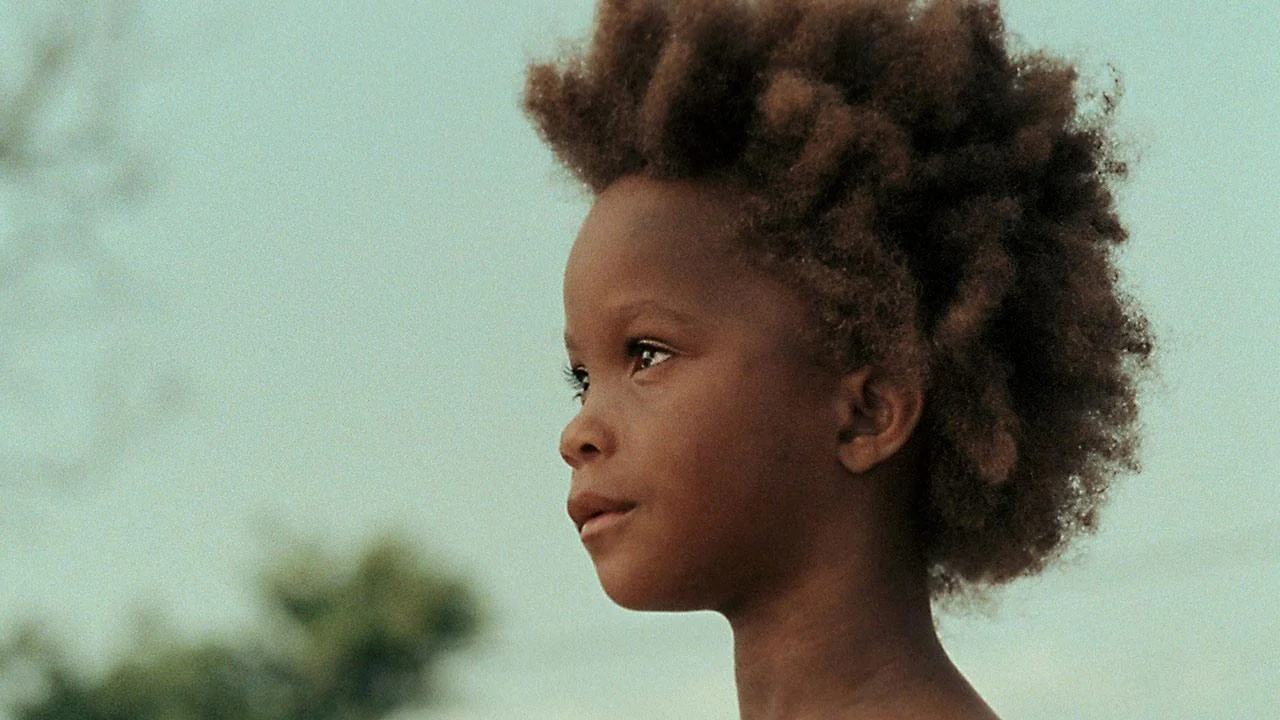
The Southern Wild (2012), directed by Jean-Marc Vallée, redefines dystopian survival cinema by weaving a nonlinear narrative that merges primal instincts with mythological depth. Unlike conventional survival stories, Vallée’s film immerses viewers in a post-apocalyptic Louisiana where the remnants of humanity grapple with environmental collapse, cultural memory, and the cyclical nature of time. The film’s structure—fragmented yet cohesive—mirrors the disjointed yet resilient spirit of its protagonist, Hushpuppy, and her community. Through a blend of survival drama and folklore, Vallée challenges audiences to confront existential questions while celebrating the indomitable spirit of marginalized communities.
The film’s narrative unfolds through a series of vignettes that resist chronological linearity, instead prioritizing emotional and thematic impact. This approach forces viewers to engage actively with the story, piecing together Hushpuppy’s journey as she navigates a world where nature reclaims dominance over human civilization. Vallée’s use of nonlinear storytelling is not merely a stylistic choice but a narrative device that underscores the film’s central themes: the fragility of human constructs in the face of environmental devastation and the enduring power of oral traditions to preserve identity.

Nonlinear Storytelling and Immersion in The Southern Wild
Vallée’s decision to employ a nonlinear narrative structure in The Southern Wild serves multiple purposes. Firstly, it reflects the fragmented reality of Hushpuppy’s world, where survival depends on adaptability and improvisation. The film’s opening scene, set in a flooded future, immediately disorients viewers, establishing a tone of uncertainty that persists throughout. This disorientation is not arbitrary; it mirrors the cognitive dissonance experienced by characters who must reconcile their past with an irrevocably altered present.
The nonlinear approach also enhances emotional resonance by revealing character arcs incrementally. For instance, Hushpuppy’s relationship with her father, Wink, unfolds gradually, with flashbacks and present-tense sequences intercutting to reveal their complex dynamic. This technique prevents the story from becoming a mere survival tale, instead transforming it into a meditation on love, loss, and legacy. By withholding information, Vallée ensures that the audience’s investment in the characters deepens over time, creating a sense of urgency and intimacy.
Additionally, the film’s structure aligns with the oral storytelling traditions of the Louisiana bayou, where history is passed down through fragmented narratives rather than linear chronicles. This alignment reinforces the film’s authenticity, grounding its speculative dystopia in the tangible realities of cultural preservation. The result is a storytelling experience that feels both innovative and deeply rooted in tradition.
Comparative Analysis: The Southern Wild and Dystopian Survival Films
While The Southern Wild shares thematic DNA with other dystopian survival films, its approach to resilience, humanity, and environmental collapse distinguishes it from contemporaries like The Road (2009) and Children of Men (2006). Below is a comparative table highlighting key differences and similarities:
| Aspect | The Southern Wild | The Road (2009) | Children of Men (2006) |
|---|---|---|---|
| Setting | Post-apocalyptic Louisiana bayou, blending natural decay with cultural resilience. | Post-apocalyptic America, emphasizing desolation and moral decay. | Near-future dystopian England, focusing on societal collapse and political instability. |
| Resilience | Rooted in indigenous traditions, oral history, and communal bonds. | Individual survival through brute force and adaptation. | Collective resistance against oppressive regimes, with a focus on hope. |
| Humanity | Celebrates marginalized voices, particularly through Creole language and folklore. | Explores moral ambiguity and the cost of survival. | Highlights the fragility of humanity in the face of systemic failure. |
| Environmental Collapse | Linked to climate change and rising sea levels, with nature reclaiming dominance. | Caused by unspecified catastrophe, with a focus on scarcity and violence. | Driven by infertility and political chaos, with nature as a secondary concern. |
| Tone | Poetic, mythic, and hopeful despite despair. | Bleak, pessimistic, with moments of fleeting humanity. | Urgent, tense, with a focus on societal unraveling. |
This comparison underscores The Southern Wild’s unique position within dystopian cinema. While films like The Road and Children of Men prioritize the psychological and political dimensions of collapse, Vallée’s work centers on cultural and environmental resilience. The bayou setting is not merely a backdrop but an active participant in the narrative, reflecting the interconnectedness of humanity and nature.
Central Themes: Environmental Degradation, Indigenous Resilience, and the Passage of Time
The Southern Wild explores three interconnected themes that elevate it beyond conventional survival narratives: environmental degradation, the resilience of indigenous communities, and the cyclical nature of time.
Environmental Degradation The film’s depiction of a flooded Louisiana serves as a visceral metaphor for climate change, with rising sea levels erasing human settlements and forcing communities to adapt or perish. Unlike many dystopian films that treat environmental collapse as a distant threat, The Southern Wild presents it as an immediate, inescapable reality. Scenes of Hushpuppy navigating submerged streets and abandoned homes underscore the film’s ecological urgency. The absence of traditional infrastructure—roads, buildings, and technology—forces characters to rely on instinct and tradition, reinforcing the theme that humanity’s survival depends on its ability to coexist with, rather than dominate, nature.
Indigenous Resilience The film’s celebration of Creole culture and oral traditions is central to its portrayal of resilience. Hushpuppy’s community preserves its identity through storytelling, music, and rituals, such as the annual "Bottle Party," where the past and present collide. These traditions are not mere cultural artifacts but lifelines, offering hope and continuity in a world where stability is elusive. The use of Creole dialogue—often left subtitled rather than dubbed—adds authenticity, grounding the film in the specific struggles of marginalized communities. This authenticity extends to the film’s portrayal of voodoo and folk magic, which are not supernatural gimmicks but expressions of cultural resistance and spiritual endurance.
The Passage of Time Vallée’s nonlinear narrative structure reflects the cyclical nature of time in The Southern Wild, where the past and future are inextricably linked. Hushpuppy’s journey is framed by her father’s impending death, a moment that serves as both an ending and a beginning. The film’s title itself, derived from a Creole phrase meaning "the end of the world," suggests a rebirth rather than an annihilation. Scenes such as Hushpuppy’s discovery of her father’s hidden boat—symbolizing both escape and legacy—highlight the film’s meditation on time as a fluid, recurring force. This perspective aligns with indigenous worldviews, where time is not linear but cyclical, and survival depends on honoring the past to shape the future.
Authenticity Through Language and Tradition
The Southern Wild’s commitment to authenticity is evident in its use of Creole language and local traditions, which serve as more than just cultural window dressing. The film’s dialogue, predominantly in Creole with English subtitles, reflects the linguistic reality of Louisiana’s bayou communities, where language is a marker of identity and resistance. This choice immerses viewers in the characters’ world, making their struggles feel immediate and personal. For example, Hushpuppy’s nickname—derived from the Creole word for "baby"—reinforces her connection to her community, while her father’s use of English in moments of vulnerability underscores the tension between tradition and assimilation.
The film’s incorporation of voodoo and folk rituals further enhances its authenticity. These elements are not presented as exotic curiosities but as integral parts of the characters’ lives, offering solace and guidance in a chaotic world. The Bottle Party, a traditional Creole celebration, becomes a microcosm of the film’s themes: a moment of communal bonding that transcends the immediate threat of collapse. By grounding its speculative narrative in real cultural practices, The Southern Wild achieves a rare balance between fantasy and authenticity, making its dystopia feel both fantastical and terrifyingly plausible.
Critical and Cultural Impact on Climate Change Discourse
The Southern Wild has been widely praised for its contribution to climate change discourse in cinema, offering
Character Analysis: Hushpuppy and the Symbolism of Childhood in The Southern Wild
The Southern Wild presents Hushpuppy as a complex and layered character whose existence transcends the boundaries of a typical child protagonist in dystopian cinema. Her name, appearance, and actions serve as deliberate symbols that challenge conventional narratives of innocence and vulnerability in post-apocalyptic storytelling. Through her interactions with the world and her father, Beau Donaldson, Hushpuppy embodies resilience, defiance, and an unshakable connection to nature and myth, distinguishing her as a unique figure in survival narratives.
Hushpuppy’s name carries deep cultural and thematic weight, rooted in the Cajun community’s traditions and the film’s exploration of oral storytelling. The term "hushpuppy" refers to a type of fried cornmeal fritter, often associated with comfort and home in Southern cuisine. However, in the context of the film, the name transcends its culinary origins, symbolizing a child shaped by adversity yet retaining a core of warmth and humanity. Director Benh Zeitlin draws inspiration from the Cajun phrase "petit bonhomme" (little man), which reflects the character’s duality—both a child and a survivor. Her name also mirrors the film’s reliance on myth and folklore, positioning her as a bridge between the human world and the supernatural, particularly through her belief in the "Big Daddy" (a mythical figure tied to creation and destruction).
Hushpuppy’s Role as a Symbol of Innocence, Defiance, and Adaptability
Hushpuppy’s character defies the passive or purely symbolic roles often assigned to child protagonists in dystopian films. Unlike many survival narratives where children are either victims or passive symbols of hope, Hushpuppy actively shapes her environment through agency, imagination, and defiance. Her innocence is not naive but forged through experience, allowing her to navigate a world where adults have succumbed to despair or violence. This adaptability is evident in her ability to: - Survive physically and emotionally in a lawless, flooded landscape where resources are scarce. - Challenge authority figures, such as the ruthless Sheriff Wiley, without losing her moral compass. - Blend myth with reality, using stories of the "Big Daddy" to cope with loss and justify her actions, such as her father’s death.
Her defiance is particularly striking in scenes where she refuses to conform to the brutality of the world. For example, when she confronts Wiley’s men, she does not cower but uses her wit and the environment (e.g., luring them into the swamp) to outmaneuver them. This aligns with the film’s central theme: survival requires creativity, not just strength.
Comparative Analysis: Hushpuppy and Child Protagonists in Dystopian Cinema
While child protagonists in dystopian films often serve as symbols of hope or survival, Hushpuppy’s character stands out due to her active role in shaping her destiny. Below is a comparative table highlighting key differences between Hushpuppy and other notable child protagonists in survival narratives:
| Character | The Southern Wild (Hushpuppy) | Pan’s Labyrinth (Ofelia) | The Book of Eli (Caroline) |
|---|---|---|---|
| Role in Narrative | Active survivor and mythmaker; challenges adult authority through defiance and imagination. | Passive yet symbolic bridge between fantasy and reality; her journey is more emotional than physical. | Symbol of innocence and sacrifice; her survival is tied to Eli’s redemption arc. |
| Relationship with Authority | Openly defiant (e.g., confronts Sheriff Wiley, rejects Beau’s initial overprotectiveness). | Submissive to fantasy figures (Pan) but rebellious against fascist authority (Captain Vidal). | Initially trusting (of Eli), but her survival becomes a burden rather than an act of agency. |
| Symbolism | Represents adaptability and mythological resilience; her name and stories tie her to Cajun folklore. | Symbolizes escapism and duality (child vs. warrior); her faery tale parallels mirror real-world oppression. | Embodiment of purity and loss; her existence justifies Eli’s quest for salvation. |
| Survival Mechanisms | Uses environmental knowledge, storytelling, and defiance (e.g., navigating the swamp, outsmarting Wiley). | Relies on fantasy and supernatural aid (Pan’s guidance, faery realm). | Depends on adult protection (Eli’s leadership) and luck rather than personal agency. |
| Legacy | Her myth becomes part of her father’s legacy; she redefines survival through storytelling. | Her death symbolizes the cost of resistance and the merging of fantasy with reality. | Her survival is instrumental to Eli’s redemption, but she remains a passive figure. |
Hushpuppy’s uniqueness lies in her agency within a post-apocalyptic setting, where most child characters are either victims or tools for adult narratives. Unlike Ofelia, whose journey is rooted in fantasy, or Caroline, whose survival is tied to an adult’s quest, Hushpuppy drives her own story. Her defiance and adaptability make her a symbol of childhood resilience rather than a mere reflection of adult struggles.
Scene-by-Scene Analysis: Hushpuppy and Beau’s Bond
The relationship between Hushpuppy and Beau Donaldson is the emotional core of The Southern Wild, illustrating themes of love, sacrifice, and legacy. Their dynamic evolves from overprotectiveness to mutual respect, culminating in a bittersweet acknowledgment of their interconnected fates. Key scenes reveal how their bond reinforces the film’s central messages:
- Beau’s Initial Overprotectiveness In the opening scenes, Beau’s fear of losing Hushpuppy is palpable. His refusal to let her accompany him on a dangerous mission to retrieve medicine reflects his desperation to shield her from the harshness of their world. This scene establishes Beau as a flawed but devoted father, whose love is rooted in survival instincts rather than emotional connection.
>
> "You ain’t gonna die, you hear me? You’re gonna live forever." > —Beau to Hushpuppy, reinforcing his belief in her immortality through myth. >
- Hushpuppy’s Defiance and Independence As the film progresses, Hushpuppy challenges Beau’s authority, particularly when she insists on accompanying him to the "Big Daddy’s" domain. Her determination to face the unknown contrasts with Beau’s reluctance, symbolizing her growing independence. This scene marks a turning point where Hushpuppy’s agency becomes undeniable, and Beau begins to see her not as a child to protect, but as a partner in survival.
- The Sacrifice and Legacy The climax of their relationship occurs during Beau’s final moments. As he lies dying, he transfers his mythological legacy to Hushpuppy, urging her to "go find the Big Daddy." This moment is not just about physical survival but about passing on hope and meaning. Beau’s death is bittersweet—he dies knowing he has prepared Hushpuppy to carry on, ensuring his story (and hers) will endure beyond their time.
>
> "You’re the last of the Donaldsons. You gotta go find the Big Daddy." > —Beau’s final words, blending myth, legacy, and love. >
Their bond is a microcosm of the film’s themes: survival is not just about enduring but about leaving something behind. Beau’s love is selfless, and Hushpuppy’s defiance ensures that his sacrifice is not in vain.
Visual Design: Hushpuppy’s Appearance as a Survivor’s Identity
Hushpuppy’s character design is a deliberate contrast to the desolation of her world, reinforcing her identity as a survivor who retains humanity amid chaos. Every element of her appearance—from her clothing to her props—serves a symbolic purpose:
- Clothing: Practicality Meets Symbolism Hushpuppy’s ward
Visual and Cinematic Techniques: A Masterclass in Atmosphere
The Southern Wild transcends conventional storytelling through its deliberate and immersive visual language, transforming the Louisiana bayou into a living, breathing character. Director Benh Zeitlin and cinematographer Adam Stone employ a symphony of techniques—natural lighting, expansive framing, and unconventional camerawork—to craft a world where nature’s raw power mirrors the emotional turmoil of its inhabitants. The film’s sensory richness extends beyond the visual, with sound design and color theory amplifying its themes of resilience and decay. These choices reject digital artifice in favor of tactile, organic realism, grounding the story in a tangible, almost mythic reality.
Cinematography: Natural Light and the Breath of the Bayou
The cinematography of The Southern Wild prioritizes natural light as its primary tool, creating an ever-shifting relationship between the characters and their environment. Wide shots dominate the film, emphasizing the vastness of the bayou and its untamed beauty. Long takes, such as the opening sequence where Hushpuppy (Quvenzhané Wallis) first encounters the flooded world, immerse viewers in the scale of the setting without cutting away. These shots are often handheld or stabilized with subtle movements, adding a sense of immediacy and unpredictability that mirrors the chaotic yet cyclical nature of life in the bayou.
The use of natural light—golden hues at dawn, muted blues during twilight, and the stark contrast of sunlight filtering through dense foliage—reinforces the film’s temporal and emotional rhythms. Low-angle shots elevate Hushpuppy, framing her as a small but formidable figure against the grandeur of her surroundings. Conversely, high-angle perspectives during moments of despair or isolation emphasize vulnerability. The cinematography avoids artificial lighting, allowing the environment to dictate mood rather than the other way around.
Key Visual Motifs and Their Symbolic Meanings
The visual motifs in The Southern Wild are not merely decorative but serve as recurring symbols that deepen the narrative’s thematic layers. Below is a breakdown of their symbolic significance:
| Visual Motif | Description | Symbolic Meaning |
|---|---|---|
| Water | Flooded landscapes, rain, tides, and the Mississippi River’s relentless flow. | Represents both destruction and renewal. The flooding symbolizes the inevitability of change and the cyclical nature of life, while water also cleanses and sustains, reflecting Hushpuppy’s adaptability and emotional resilience. |
| Fire | Bonfires, lanterns, and the primal act of burning objects or bodies. | Embodies transformation and release. Fire is used in rituals (e.g., burning the dead) and as a source of warmth and light, mirroring the duality of pain and comfort in the characters’ lives. |
| Decay | Rotting vegetation, abandoned structures, and the physical deterioration of objects and bodies. | Signifies the passage of time and the fragility of human existence. Decay contrasts with the vibrancy of life, underscoring the film’s meditation on mortality and the transient nature of human achievements. |
| Animals | Alligators, birds, and other wildlife coexisting with humans. | Represents the primal, untamed essence of nature and humanity’s place within it. Animals often serve as omens or guides, reflecting the characters’ connection to the natural world and their instinctual survival strategies. |
| Light vs. Darkness | Contrasts between illuminated scenes (e.g., bonfires, dawn) and shadowy, obscured environments. | Illuminates the duality of hope and despair. Light symbolizes clarity, guidance, and human connection, while darkness embodies uncertainty, isolation, and the unknown. |
These motifs are woven into the fabric of the film’s visual storytelling, creating a cohesive and evocative atmosphere that resonates with the audience on a subconscious level.
Sound Design: Amplifying the Sensory Experience
Sound in The Southern Wild is as vital as the visuals, functioning as an extension of the environment and the characters’ emotions. The film’s ambient noise—rustling leaves, distant animal calls, the lapping of water, and the creaking of wood—immerses viewers in the bayou’s ecosystem, making the setting feel alive and tangible. These sounds are not merely background; they are active participants in the narrative, heightening tension or providing moments of quiet reflection.
Daniel Hart’s haunting score, composed with traditional instruments like the fiddle and accordion, blends seamlessly with the natural soundscape. The music often mirrors the film’s themes of loss and resilience, using dissonant tones to evoke unease and soaring melodies to convey hope. For example, the score during the "Be Hem of Me" sequence underscores the film’s melancholic yet defiant tone, reinforcing the character’s emotional journey. The absence of a traditional orchestral score in favor of acoustic instruments grounds the film in a raw, organic authenticity.
Silence also plays a critical role. Moments of quiet, such as the stillness before a storm or the hush of the bayou at night, amplify the emotional weight of the scenes. These pauses draw attention to the characters’ internal struggles, creating a sense of intimacy and vulnerability.
Color Palette: The Duality of Hope and Despair
The color palette of The Southern Wild is a deliberate contrast between muted tones and bursts of vibrancy, reflecting the film’s central tension between despair and hope. The majority of the film is bathed in earthy, desaturated hues—greens, browns, and grays—that evoke the decaying landscape and the characters’ weariness. These tones dominate scenes of isolation, loss, and survival, reinforcing the harsh realities of life in the bayou.
However, moments of vitality and emotion are punctuated by vivid colors. The red of bonfires and lanterns stands out against the muted backdrop, symbolizing warmth, connection, and defiance. The blue of the Mississippi River and the sky during dawn or dusk introduces a sense of calm and possibility. Even the costumes play a role: Hushpuppy’s bright red dress in the final scenes contrasts sharply with the surrounding decay, signaling renewal and the cyclical nature of life.
This duality is most evident in the film’s climax, where the once-drowned world begins to recede. The return of sunlight and the re-emergence of color—particularly the green of new growth—signify hope and the resilience of life. The color palette thus serves as a visual metaphor for the narrative’s emotional arc, using hue to guide the audience’s interpretation of the story’s themes.
Practical Effects: The Artistry of Organic Realism
The Southern Wild eschews modern CGI techniques in favor of practical effects, a choice that enhances the film’s tactile, immersive quality. The flooded world is achieved through a combination of miniatures, forced perspective, and on-location filming. The bayou’s vastness is conveyed through wide-angle lenses and carefully composed shots, while the water effects are created using a mix of physical sets and optical effects. This approach ensures that the environment feels real and immediate, rather than digitally constructed.
Prosthetics and makeup are used extensively to age and transform the actors, particularly for the character of Wink (Dwight Henry), whose physical decline mirrors the story’s themes of decay and mortality. The prosthetics are subtle yet effective, blending seamlessly with the actors’ performances to create a sense of authenticity. Even the creatures of the "Aukch-tishunkka" mythos are designed with practical effects, using animatronics and puppetry to maintain a connection to the physical world.
The artistic intent behind this choice is clear: practical effects reinforce the film’s organic realism, grounding the fantastical elements in a tangible reality. By avoiding CGI, Zeitlin and his team create a world that feels lived-in and visceral, where every element—from the texture of the water to the weight of the prosthetics—contributes to the overall sensory experience. This commitment to realism elevates the film’s emotional impact, making the audience feel as though they are part of Hushpuppy’s journey rather than mere observers.
Cultural and Historical Context: Louisiana’s Bayou as a Living Archive in The Southern Wild
The Southern Wild transcends its post-apocalyptic premise by grounding its narrative in the tangible cultural and historical fabric of Louisiana’s bayou region. The film’s portrayal of the bayou is not merely a backdrop but a character in itself, reflecting the resilience, spirituality, and ecological fragility of communities shaped by Cajun, Creole, and Indigenous traditions. This section explores how the bayou’s real-world history—marked by environmental catastrophes, cultural displacement, and indigenous revival—intersects with the film’s dystopian vision, while also examining its departure from stereotypical depictions of Southern Gothic horror.
Historical and Cultural Foundations of the Bayou in Louisiana
Louisiana’s bayou region is a melting pot of cultures, where French, Spanish, African, and Native American influences converge. The film’s setting draws from the Atchafalaya Basin, one of the largest wetlands in the U.S., home to the Cajun people (descendants of Acadian exiles from Canada) and Creole communities (a blend of African, French, Spanish, and Indigenous heritage). Indigenous tribes, including the Chitimacha, Houma, and Tunica-Biloxi, also maintain deep ties to the land, their traditions often marginalized in mainstream narratives.
The bayou’s cultural identity is rooted in oral storytelling, music (like zydeco and blues), and a deep ecological relationship with the swamp. These elements are central to The Southern Wild, where the Tattoo Man represents a fusion of Indigenous and Cajun mysticism, blending folklore with survivalist pragmatism. The film’s use of Cajun French dialect and references to Mardi Gras rituals (e.g., the "Boudreaux" surname, a nod to Cajun heritage) anchor the story in authenticity, avoiding the clichéd "haunted swamp" trope seen in films like Swamp Thing (1982).
Key Historical Events Shaping the Bayou’s Narrative in The Southern Wild
The bayou’s history is punctuated by disasters that mirror the film’s themes of environmental collapse and human endurance. Below is a timeline of pivotal events, illustrating how The Southern Wild echoes real-world struggles while reimagining them through dystopian lens.
| Year | Event | Connection to The Southern Wild |
|---|---|---|
| 1718 | Founding of New Orleans; French colonial expansion into Louisiana. | Establishes the cultural crossroads that define Creole and Cajun identities, later reflected in the film’s multicultural bayou community. |
| 1803 | Louisiana Purchase; U.S. acquisition of the territory. | Marks the beginning of Indigenous displacement, a theme mirrored in the film’s depiction of the "Beast" as both a metaphor for nature’s wrath and colonial exploitation. |
| 1927 | Great Mississippi Flood; devastating floodwaters submerge the bayou. | Foreshadows the film’s rising waters, symbolizing both ecological destruction and the inevitability of change. |
| 1960s–1970s | Indigenous land reclamation movements; tribes like the Houma fight for federal recognition. | Informs the film’s portrayal of Indigenous resistance, embodied by the Tattoo Man’s defiance against external forces. |
| 2005 | Hurricane Katrina; catastrophic flooding displaces thousands in New Orleans and the bayou. |
The storm’s aftermath exposed systemic neglect of marginalized communities—echoed in The Southern Wild’s critique of societal collapse, where Hushpuppy’s world is abandoned by the outside.Director Jean-Marc Vallée cited Katrina as a "haunting backdrop" for the film, though he clarified in interviews that the story was not a direct allegory but a "universal tale of survival." |
| 2010 | Deepwater Horizon oil spill; ecological devastation in the Gulf of Mexico. | Parallels the film’s toxic environment, where pollution and rising waters threaten the bayou’s inhabitants, much like real-life communities facing long-term health crises. |
Indigenous Traditions and the Subversion of Stereotypes
The Southern Wild challenges mainstream cinema’s portrayal of Indigenous peoples by centering their spirituality and resilience. The Tattoo Man, played by Dwight Henry, is a composite of Indigenous and Cajun mysticism, embodying animism, shamanic rituals, and ecological reverence. His character rejects the "noble savage" trope, instead presenting a complex figure who is both wise and flawed.
Key elements of Indigenous representation in the film include: - Storytelling as Survival: The Tattoo Man’s tales of the "Beast" function like trickster myths in Indigenous oral traditions, serving as both warning and cultural preservation. - Rituals and Symbolism: The use of fire, tattoos (symbolizing connection to the land), and communal gatherings reflects practices documented in tribes like the Chitimacha, who view the bayou as a sacred space. - Language and Naming: The film incorporates Choctaw and Cajun French phrases, such as "Wa’akoni" (a Choctaw term for "story" or "legend") and "Boudreaux" (a Cajun surname), to honor linguistic heritage.
Quvenzhané Wallis, who played Hushpuppy, described the research process in a 2012 interview with The Guardian:
"We spent time with real Cajun families, learning how they talk, how they move. The Tattoo Man’s way of speaking—it’s not just made up. It’s based on the rhythms of the bayou, the way people there blend French, English, and their own slang."
Director Jean-Marc Vallée emphasized the film’s goal to "reclaim the bayou as a place of power, not just fear"—a stark contrast to films like Deliverance (1972), which frames the South as a site of violence and primal horror. Unlike The Mist (2007), which reduces the bayou to a generic "uncanny" space, The Southern Wild ties its dread to specific cultural and ecological stakes, making the setting feel lived-in and historically grounded.
The Southern Wild’s Bayou: A Distinct Dystopia
While regional dystopias like Deliverance and The Mist rely on isolation and primal conflict to create tension, The Southern Wild distinguishes itself through cultural specificity and ecological realism. Unlike the generic "monster in the woods" trope, the film’s "Beast" is tied to: - Indigenous cosmology, where nature is neither villain nor victim but a force to be understood. - Post-colonial critique, where the bayou’s destruction mirrors historical exploitation. - Childhood as a lens for survival, shifting the focus from adult violence to innocence navigating collapse.
The film’s cinematography—with its muddy, golden hues and slow-moving water—avoids the grittiness of urban dystopias (Mad Max) or the sterile futurism of sci-fi (Children of Men). Instead, it embraces the sensory richness of the bayou: the smell of cypress trees, the sound of bullfrogs, the texture of swamp mud. This immersion makes the setting feel both timeless and urgently endangered, a quality absent in more abstract dystopias.
For example, while Deliverance uses the wilderness to explore white male fragility, The Southern Wild centers marginalized voices—a child, an Indigenous elder, and a community of outcasts—whose survival depends on collective knowledge rather than individualism. This approach aligns with real bayou communities, where oral history, kinship networks, and land stewardship are vital to resilience.
Authenticity Through Collaboration: Research and Cultural Consultation
The film’s cultural authenticity stemmed from extensive collaboration with Cajun, Creole, and Indigenous advisors. Vallée worked with: - The Chitimacha Tribe
Reception and Legacy: Critical Acclaim and Cultural Impact
The Southern Wild (2012) emerged as a critical darling upon its release, carving a niche in independent cinema with its raw storytelling and technical brilliance. The film’s reception was marked by near-universal acclaim, with critics praising its originality, emotional depth, and innovative use of visual and narrative techniques. Its impact extended beyond awards season, influencing discussions on child actors in cinema, environmental storytelling, and the intersection of folklore with dystopian themes. The film’s legacy persists in academic circles, activist movements, and even mainstream filmmaking, cementing its status as a cult classic with enduring relevance.
Critical Reception and Awards: A Landmark for Child Actors
The Southern Wild received widespread critical admiration, with many reviewers highlighting its boldness in blending fantasy with ecological urgency. The film’s most notable achievement was Quvenzhané Wallis’s Oscar win for Best Actress, making her the youngest actor ever to receive the award at age 9. This milestone sparked broader conversations about the capabilities of child performers and the ethical considerations of casting them in complex, emotionally demanding roles. Wallis’s performance was frequently cited as a masterclass in naturalism, with critics noting how her portrayal of Hushpuppy transcended typical child acting tropes, imbuing the character with depth and vulnerability.
The film’s technical achievements also garnered praise. Cinematographer Ben Richardson was lauded for his use of natural light and handheld cameras, which heightened the film’s immersive, documentary-like quality. The sound design, blending ambient bayou noises with haunting musical scores, was frequently singled out for its atmospheric brilliance. Reviews in major outlets reflected these themes, with The New York Times calling it “a haunting, original fable” and Variety describing it as “a visually stunning and thematically rich allegory for environmental collapse.”
Below is a summary of major reviews, organized by key themes:
| Outlet | Review Excerpt | Key Themes Highlighted |
|---|---|---|
| The New York Times | “A haunting, original fable about survival and the cost of progress, The Southern Wild is a film that lingers in the mind long after the credits roll.” | Originality, emotional impact, allegorical depth |
| Variety | “Benh Zeitlin’s debut is a visually stunning and thematically rich allegory for environmental collapse, elevated by Quvenzhané Wallis’s extraordinary performance.” | Technical achievement, ecological themes, child acting |
| IndieWire | “A masterclass in atmosphere, The Southern Wild blends folklore with dystopia to create a world that feels both mythic and terrifyingly plausible.” | Cinematic techniques, world-building, dystopian relevance |
| RogerEbert.com | “Zeitlin’s film is a fever dream of beauty and brutality, a testament to the power of storytelling to confront existential threats.” | Narrative boldness, visual poetry, existential themes |
| The Guardian | “A mesmerizing blend of Cajun folklore and post-apocalyptic dread, The Southern Wild is a film that demands to be seen.” | Cultural fusion, immersive storytelling, urgency |
The film’s reception also underscored a shift in how critics and audiences viewed child actors. Wallis’s Oscar was not just a personal triumph but a cultural moment that challenged industry norms, proving that children could carry narratives with the same weight as adult performers. This paved the way for greater recognition of young actors in subsequent years, including films like Moonlight (2016) and Nomadland (2020), where child performances were similarly celebrated.
Influence on Dystopian and Environmental Storytelling
The Southern Wild left an indelible mark on dystopian and eco-conscious cinema, serving as a blueprint for films that merge folklore with environmental warnings. Its influence is evident in later works that explore climate collapse, survivalism, and the erosion of human connection. Directors and screenwriters have cited the film’s fusion of myth and reality as a key inspiration, particularly in its ability to make dystopian settings feel visceral and immediate.
One of the most notable examples is Alex Garland’s Annihilation (2018), which shares The Southern Wild’s themes of ecological mutation and the unknown. Like Hushpuppy’s world, the Shimmer in Annihilation is a place of beauty and horror, where nature has evolved beyond human comprehension. The film’s use of unsettling visuals and ambiguous storytelling mirrors Zeitlin’s approach, creating a sense of dread that is both intellectual and emotional.
Another film drawing from The Southern Wild’s playbook is John Hillcoat’s The Road (2009), though the latter predates it. Both films depict a post-collapse world through the eyes of a child, using their innocence to highlight the brutality of survival. However, The Southern Wild’s integration of folklore and magic realism sets it apart, influencing later works like Guillermo del Toro’s The Shape of Water (2017), where mythic elements are used to explore humanity’s relationship with nature.
The film’s impact extends to indie and arthouse cinema, where directors continue to experiment with low-budget, high-concept storytelling. The Southern Wild proved that dystopian narratives didn’t require CGI-heavy budgets to feel immersive, inspiring films like Coherence (2013) and The Invitation (2015), which prioritize atmosphere and psychological tension over spectacle.
Climate Change in Popular Culture: The Southern Wild as a Catalyst
Beyond its artistic influence, The Southern Wild played a role in bringing climate change discussions into mainstream cultural conversations. The film’s depiction of a world ravaged by rising seas and environmental degradation resonated with audiences at a time when climate science was becoming increasingly urgent. While not a direct activist film, its allegorical approach made ecological themes accessible and emotionally compelling, prompting viewers to reflect on real-world parallels.
Academic and activist circles have referenced the film in discussions about eco-grief, environmental justice, and the role of art in climate advocacy. Scholars in environmental humanities have analyzed The Southern Wild as an example of solastalgia—the distress caused by environmental change—arguing that its narrative structure allows audiences to process collective trauma. The film’s use of Cajun folklore also sparked conversations about indigenous and marginalized communities as stewards of ecological knowledge, a theme later explored in documentaries like The Territory (2023).
In activist spaces, the film has been used as a cultural touchstone in campaigns advocating for climate action. Its portrayal of a child navigating a dying world has been invoked in discussions about intergenerational responsibility, particularly in movements like Extinction Rebellion and Sunrise Movement. The film’s tagline—“The end is here”—has been repurposed in protests and social media campaigns to underscore the urgency of climate action.
Fan Theories and Lesser-Known Narrative Layers
The Southern Wild is rich with hidden symbols, ambiguous details, and unanswered questions that have fueled fan theories and deeper analyses of its narrative. While the film’s story is straightforward, its mythic undertones and deliberate vagueness invite multiple interpretations, some of which offer fresh perspectives on its themes.
One of the most discussed theories revolves around the nature of Hushpuppy’s father, Wink. Some viewers interpret Wink’s death as a sacrificial act, suggesting that his transformation into a bear is a metaphor for humanity’s regression into primal instincts in the face of collapse. Others argue that his fate symbolizes the inevitability of ecological collapse, with his bear form representing the wild, untamed nature reclaiming what humans have destroyed. This theory is supported by the film’s lack of a clear villain, instead framing the environment itself as the antagonist.
Another layer of intrigue lies in the film’s ambiguous ending. While Hushpuppy’s journey to Bathtub and the revelation of the “end of the world” seem definitive, some fans speculate that the film’s non-linear structure implies a cycle of destruction and rebirth. The presence of other children in Bathtub, who may or may not be Hushpu
Behind the Scenes: Production Challenges and Innovations in The Southern Wild
The Southern Wild emerged as a testament to creative resilience, blending raw storytelling with logistical ingenuity against the backdrop of Louisiana’s untamed bayous. Filming in one of the most environmentally volatile regions in the U.S. required a production team to navigate hurricanes, permit restrictions, and limited resources, transforming these obstacles into artistic strengths. The film’s low-budget approach—centered on practical effects, minimal CGI, and a handheld shooting style—deliberately prioritized authenticity over spectacle, creating a visceral cinematic experience. These choices not only shaped the film’s raw, immersive tone but also redefined industry standards for budget-conscious filmmaking, proving that restraint could yield profound emotional and visual impact.
Logistical Challenges and Adaptive Filming in Louisiana’s Bayou
The bayous of Louisiana presented a dual-edged challenge: their natural beauty was both the film’s greatest asset and its most formidable adversary. Severe weather, including hurricanes and unpredictable flooding, forced the production team to adopt a flexible shooting schedule. Hurricane Isaac, which struck Louisiana in August 2012—just weeks before principal photography—disrupted initial plans, compelling the crew to relocate temporarily and reschedule shoots. Permits for filming in protected wetlands and private land were another hurdle, requiring extensive negotiations with local authorities and environmental agencies. The crew often worked under strict time constraints, with some scenes shot during brief windows of favorable weather.
To mitigate these challenges, the production embraced improvisation and resourcefulness. Director Jean-Marc Vallée and his team scouted locations in advance, identifying backup sites within a 30-mile radius of their primary bayou base. Local fishermen and residents were enlisted as guides, offering insider knowledge of safe passage through marshes and hidden filming spots. The use of small, agile boats—including a modified flat-bottomed skiff—allowed the crew to navigate shallow, treacherous waters, while lightweight, waterproof equipment minimized the risk of damage. These adaptations not only preserved the film’s authenticity but also reinforced its themes of survival and adaptability.
Low-Budget Production Techniques and Their Artistic Merits
The Southern Wild’s budget of approximately $2.5 million (a fraction of the average Hollywood blockbuster) necessitated innovative solutions that prioritized practicality and emotional resonance over high-tech effects. Unlike high-budget films that rely on CGI for creature designs or elaborate set pieces, the production team crafted Hushpuppy’s monstrous father, “The Bat”, using a combination of practical prosthetics, animatronics, and clever camerawork. The creature’s menacing presence was achieved through physical puppetry, with actor Eddie Hunkler (who played the Bat) performing in a full-body suit for close-ups, while long shots utilized a pneumatic animatronic arm for movement. This approach ensured the Bat’s eerie, unpredictable behavior—critical to the film’s horror elements—without the sterility of digital effects.
The film’s handheld camerawork and natural lighting further amplified its raw, documentary-like quality. Cinematographer Drew Daniels shot primarily with Arri Alexa cameras, capturing footage in a 2.39:1 aspect ratio to emphasize the vastness of the bayou. The lack of heavy lighting equipment allowed the crew to shoot in remote locations without drawing attention, while the handheld style created an intimate, unstable perspective that mirrored Hushpuppy’s chaotic world. In contrast to high-budget blockbusters that often employ steadycams and green screens, The Southern Wild’s shaky, immediate visuals immersed audiences in the film’s gritty reality.
The editing process, overseen by Matthew Newman, further reinforced this tone. Scenes were shot in long takes and edited with minimal cuts, preserving the film’s sense of urgency and spontaneity. Sound design—another low-budget strength—used real-world ambience, from the cries of birds to the distant hum of machinery, to build atmosphere. Composer Colin Stetson, whose circular-breathing saxophone score became iconic, recorded live on set, blending his haunting melodies with the bayou’s natural soundscape. These choices collectively created a film that felt unfiltered and alive, a stark contrast to the polished, digital-heavy aesthetics of mainstream cinema.
Key Crew Contributions and Their Impact on the Film’s Style
The collaborative efforts of The Southern Wild’s core team were instrumental in shaping its distinctive visual and emotional language. Below is a breakdown of their roles and contributions:
| Role | Name | Contribution | Artistic Influence |
|---|---|---|---|
| Director | Jean-Marc Vallée | Guided the film’s nonlinear narrative structure and thematic depth, balancing fantasy with grounded realism. | Established a poetic, mythic tone reminiscent of fairy tales and survival epics, while keeping the story accessible for young audiences. |
| Cinematographer | Drew Daniels | Employed handheld and steadicam techniques to create an immersive, unstable visual style; utilized natural lighting to enhance the bayou’s eerie beauty. | Crafted a documentary-like authenticity, making the fantastical elements feel visceral and immediate. |
| Composer | Colin Stetson | Composed a live saxophone score using circular breathing, blending organic sounds with electronic textures; recorded music on set to sync with performances. | Developed a primitive, ritualistic sound that underscored the film’s themes of loss and resilience, becoming a defining element of its identity. |
| Production Designer | Wynn Thomas | Designed minimalist, functional sets that reflected the bayou’s harsh environment; used found objects and practical effects to create the Bat’s lair. | Ensured the film’s low-budget aesthetic never felt like a limitation, instead enhancing its raw, survivalist ethos. |
| Lead Actor (Hushpuppy) | Quvenzhané Wallis | Delivered a spontaneous, unscripted performance, drawing from her own childhood experiences to infuse the role with raw emotion. | Brought authenticity and vulnerability to the character, making Hushpuppy’s journey feel deeply personal and universal. |
The synergy between these roles ensured that every technical and creative decision served the film’s overarching vision. Vallée’s direction, for instance, allowed Wallis to improvise lines and mannerisms, resulting in a performance that felt organic rather than acted. Daniels’ cinematography complemented this by framing Hushpuppy’s world through her perspective, using low angles and tight close-ups to emphasize her isolation and resilience. Stetson’s score, meanwhile, mirrored the film’s cyclical structure, with his saxophone’s breathy, repetitive motifs reinforcing themes of survival and renewal.
Anecdotes from Set: Child Actors and Extreme Conditions
Working with child actors in the bayou presented unique challenges, particularly in ensuring their safety and comfort. Quvenzhané Wallis, then just six years old, was the youngest lead in Oscar history, and her performance required a delicate balance of guidance and freedom. Vallée recalled in interviews that Wallis often improvised entire scenes, including the iconic line “I’m not scared of nothing”—a moment that became synonymous with the film. The director described her as “a natural”, allowing her to explore the character’s emotions without heavy direction. On set, Wallis would frequently play with local children during breaks, drawing from these interactions to deepen Hushpuppy’s authenticity.
Filming in extreme conditions tested both the cast and crew. Eddie Hunkler, who portrayed the Bat, endured 12-hour days in a 100-degree suit, with the animatronic limbs often malfunctioning in the heat. The crew jokingly referred to the Bat’s scenes as “the sauna of horror”, as the suit trapped heat and humidity. Hunkler later admitted that the physical demands heightened the intensity of his performance, making the creature’s rage feel more visceral. Meanwhile, the young actors often got lost in the bayou during takes, requiring crew members to wade through marshlands to retrieve them—a moment that underscored the film’s themes of disorientation and survival.
One of the most memorable anecdotes
The Southern Wild stands as a testament to cinema’s power to merge artistry with activism, proving that dystopian narratives need not rely on spectacle to resonate. From its groundbreaking child performance to its unflinching depiction of environmental decay, the film lingers in the mind long after the credits roll, urging viewers to question their own relationship with nature and legacy. Its legacy endures not just in awards or critical acclaim, but in the way it transforms a flooded bayou into a universal metaphor for resilience—a masterclass in storytelling that dares to look into the abyss without flinching.
Leave a Comment
Comments are moderated before appearing. The data you submit is processed according to the Privacy Policy of Vetlife Archive.