Center for Brooklyn History Unveils Hidden Stories of Urban Legacy
Table of Contents
- Center for Brooklyn History: Origins, Mission, and Organizational Evolution
- Founding Vision and Early Challenges
- Major Milestones in the Center’s Development
- Organizational Structure and Collaborative Framework
- Collections and Archives: The Living Tapestry of Brooklyn’s Past
- Diverse Archival Materials: Documents, Objects, and Digital Records
- Organization and Cataloging: Metadata Standards and Digital Preservation
- Rare and Unique Items: Treasures of Brooklyn’s Historical Legacy
- Primary Source Excerpts: Voices from Brooklyn’s Past
- Thematic Collections: Curating Brooklyn’s Narratives
- Major Archival Holdings: A Thematic Overview
- Research and Educational Programs: Engaging the Community and Scholars Through Brooklyn’s Historical Narratives
- Research Initiatives: Fellowships, Grants, and Collaborative Scholarship
- Supporting Academic Research: Access, Analysis, and Publication Opportunities
- Educational Programs: Workshops, K-12 Curricula, and Public Forums
- Digital Humanities and Accessible History Through Technology
- Oral Histories: Collecting, Preserving, and Sharing Personal Narratives
- Exhibitions and Public Engagement: Bringing Brooklyn’s Story to Life
- Notable Exhibitions and Their Thematic Depth
- Exhibition Development Process: From Concept to Community Impact
- Technology and Interactive Elements in Exhibitions
- Measuring Exhibition Success: Metrics and Community Impact
- Brooklyn’s Neighborhoods Through the Center for Brooklyn History: Case Studies in Preservation and Interpretation
- Williamsburg: From Industrial Hub to Artistic Crossroads
- Crown Heights: A Neighborhood at the Crossroads of Race and Religion
- Red Hook: Resilience in the Shadow of Industry and Disaster
- Bushwick: Street Art as Cultural Preservation
- Park Slope: Gent Preservation Challenges and Innovations: Sustaining Brooklyn’s Legacy Brooklyn’s history is woven into its neighborhoods, artifacts, and oral traditions—a legacy at risk from physical decay, financial limitations, and the passage of time. The Center for Brooklyn History (CBH) confronts these challenges with a dual mission: safeguarding fragile materials while ensuring public accessibility. Innovations in digital preservation, community-driven initiatives, and cross-institutional collaborations have redefined how Brooklyn’s past is documented and protected. This section explores the obstacles faced by the center, the creative solutions implemented, and the role of technology in ensuring the survival of Brooklyn’s historical narrative for future generations. Funding Constraints and Strategic Resource Allocation
- Digital Archiving and the Fight Against Physical Decay
- Community Partnerships and Oral History Preservation
- Balancing Accessibility with Preservation: Policies and Protocols
- Collaborations with Institutions for Long-Term Survival
- Technology as a Preservation Catalyst
Nestled within Brooklyn’s vibrant tapestry, the Center for Brooklyn History stands as a guardian of memory, where dusty archives breathe life into forgotten neighborhoods and marginalized voices reclaim their narratives. Founded in 1997 as a grassroots effort to salvage Brooklyn’s rapidly disappearing past, the center has evolved into a cornerstone institution, blending rigorous scholarship with community-driven storytelling. Its mission transcends mere preservation—it seeks to democratize history, ensuring that the struggles, triumphs, and daily lives of Brooklynites are not just recorded but celebrated in public discourse.
From the industrial smokestacks of Red Hook to the cultural crossroads of Williamsburg, Brooklyn’s identity is a patchwork of immigrant dreams, labor movements, and artistic revolutions. The center’s archives hold the threads of this mosaic: handwritten letters from 19th-century factory workers, protest signs from the 1968 Ocean Hill-Brownsville crisis, and oral histories of Puerto Rican activists who shaped Bushwick’s identity. Yet, its true innovation lies in how it bridges the gap between dusty manuscripts and modern audiences, using digital tools to turn static documents into immersive experiences that resonate with schoolchildren, scholars, and casual visitors alike.
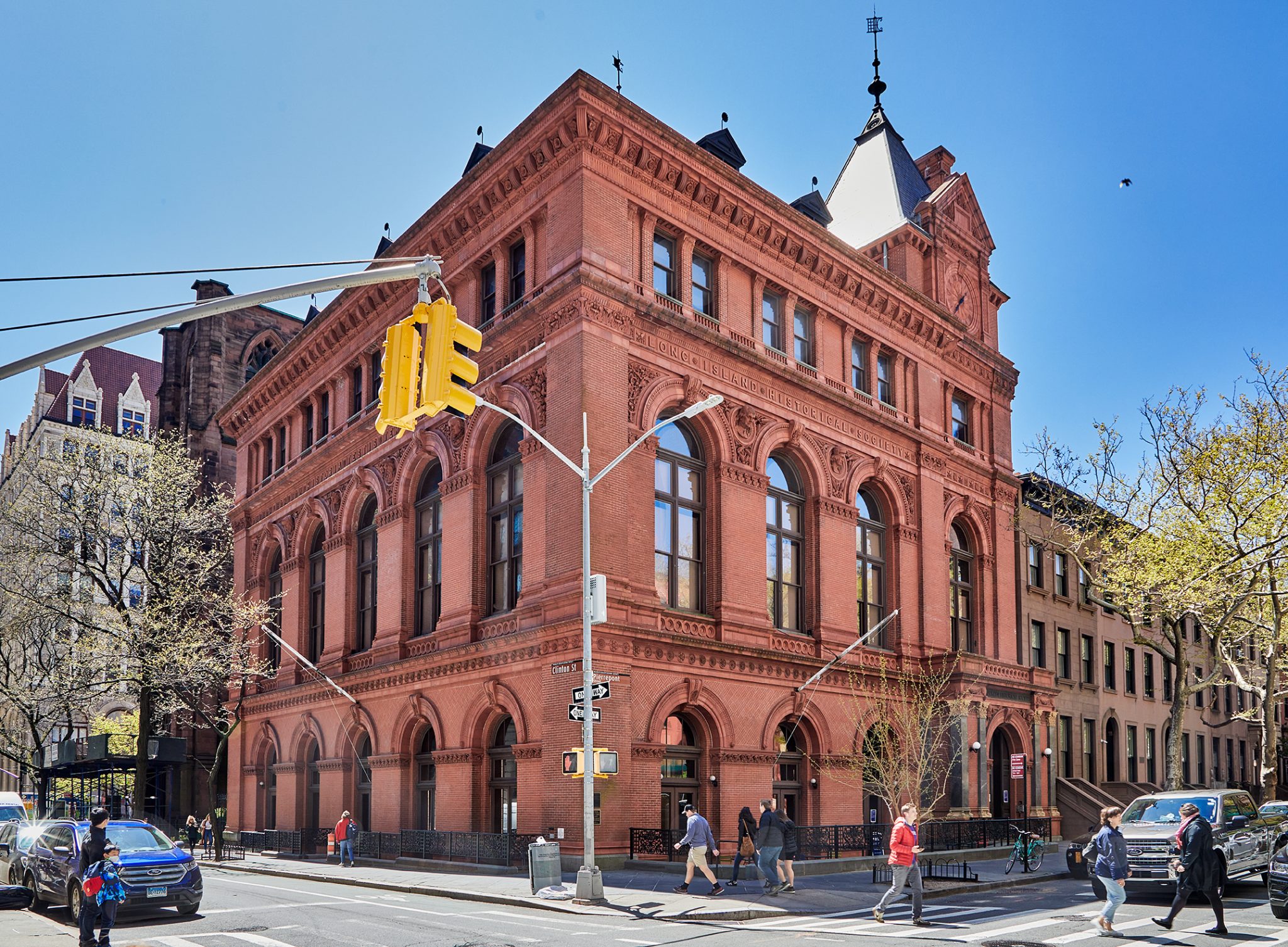
Center for Brooklyn History: Origins, Mission, and Organizational Evolution

The Center for Brooklyn History (CBH) emerged from a collective vision to preserve the rich, multifaceted identity of Brooklyn—a borough whose history reflects waves of immigration, cultural innovation, and urban transformation. Founded in 2010 as the Brooklyn Historical Society, the organization was born out of a need to centralize Brooklyn’s fragmented historical narratives, which had long been scattered across archives, private collections, and community memories. The initiative gained momentum through partnerships with local historians, academic institutions, and grassroots activists who recognized that Brooklyn’s past—from its Indigenous roots to its role as a hub for African American culture, Jewish immigration, and LGBTQ+ movements—deserved systematic documentation and public engagement. Key figures in its founding included Dorothy Berger, a historian specializing in Brooklyn’s architectural and social history, and Linda Baum, a longtime advocate for preserving the borough’s cultural heritage. Their leadership, alongside a dedicated board of directors, laid the groundwork for an institution committed to democratizing access to Brooklyn’s history.
The Center’s mission centers on collecting, interpreting, and sharing Brooklyn’s diverse heritage through research, education, and public programs. Its core objectives include: - Preservation of archival materials, such as photographs, oral histories, and documents, to safeguard Brooklyn’s cultural memory. - Community-driven storytelling, emphasizing underrepresented voices, such as those of African American, Latino, Asian, and working-class communities. - Educational outreach, partnering with schools, universities, and cultural institutions to integrate Brooklyn’s history into broader narratives of American urban life. - Advocacy for historic preservation, ensuring that landmarks and neighborhoods reflective of Brooklyn’s identity are protected from development pressures.

To fulfill these goals, the Center operates as a hybrid between an academic research institution and a community cultural hub. Its organizational structure includes a Board of Directors comprising historians, educators, and local leaders, alongside a staff team specializing in archival science, digital humanities, and public programming. Collaborations with institutions like Brooklyn Public Library, New York University’s Fales Library, and the Brooklyn Museum have expanded its reach, while partnerships with organizations such as Brooklyn Brainery, the Brooklyn Historical Society’s Oral History Project, and local historical societies ensure grassroots involvement. The Center also engages with digital platforms to extend its impact, leveraging tools like Google Earth timelines and interactive maps to visualize Brooklyn’s evolving landscapes over time.
Founding Vision and Early Challenges
The establishment of the Center for Brooklyn History was not merely a response to a lack of historical documentation but a reaction to the erasure of Brooklyn’s layered identities in broader New York City narratives. Before its founding, Brooklyn’s history was often overshadowed by Manhattan-centric perspectives, despite the borough’s pivotal role in shaping American urbanization. For example, Brooklyn’s industrial boom in the 19th century, which transformed it into a manufacturing powerhouse, and its emergence as a cultural crossroads in the 20th century—home to iconic neighborhoods like Bed-Stuy, Williamsburg, and Crown Heights—were frequently marginalized in historical discourse.
The initial vision for the Center was articulated in a 2008 report commissioned by the Brooklyn Historical Society, which identified critical gaps in historical preservation, including: - Fragmented collections spread across private homes, churches, and small local archives. - Limited public access to primary sources, which hindered research and education. - Urban development threats, such as gentrification and redevelopment projects, that risked demolishing historically significant sites.
To address these challenges, the Center adopted a three-pronged approach: - Archival consolidation, which involved acquiring collections from private donors, such as the records of the Brooklyn Daily Eagle (a historic newspaper) and the photographs of Berenice Abbott, a key figure in documenting early 20th-century Brooklyn. - Community engagement, through initiatives like the Oral History Project, which captured firsthand accounts from Brooklynites across generations. - Advocacy for policy changes, including support for landmark designation and zoning laws that protect historically significant buildings.
Major Milestones in the Center’s Development
The Center for Brooklyn History’s growth has been marked by strategic milestones, each reflecting its expanding influence and adaptive strategies. Below is a structured timeline highlighting pivotal moments, their impacts, and key figures involved:
| Year | Event | Impact | Key Figures Involved |
|---|---|---|---|
| 2008 | Brooklyn Historical Society initiates feasibility study for a centralized history center. | Identified critical gaps in Brooklyn’s historical documentation and preservation efforts. | Dorothy Berger, Linda Baum, Brooklyn Historical Society Board |
| 2010 | Official founding as the Center for Brooklyn History (formerly Brooklyn Historical Society). First archival collections acquired. | Established a permanent repository for Brooklyn’s historical materials, including the Brooklyn Daily Eagle archives and Bergen Collection (19th-century Brooklyn photographs). | Dorothy Berger (Director), Linda Baum (Board Chair), Brooklyn Public Library |
| 2012 | Launch of the Oral History Project, documenting stories from Brooklyn’s diverse communities. | Created a searchable digital archive of over 500 interviews, preserving voices often excluded from mainstream historical records. | Project Director: Sarah S. (Historian), Community Partners: Brooklyn Brainery, Local Historical Societies |
| 2015 | Opening of the Center’s new headquarters in DUMBO, featuring exhibition space and a research library. | Increased public accessibility to collections and programs, attracting over 10,000 visitors annually. | Architectural Design: Local Brooklyn firms, Funding: National Endowment for the Humanities, NYC Department of Cultural Affairs |
| 2017 | Launch of Brooklyn Then & Now, an interactive digital platform comparing historic and contemporary images of Brooklyn. | Engaged a broader audience, including students and remote researchers, by visualizing urban change over time. | Digital Team Lead: Mark T., Partner: Google Arts & Culture |
| 2019 | Publication of "Brooklyn: A History", a comprehensive volume co-authored with NYU Press. | Positioned the Center as a leading authority on Brooklyn’s history, used in academic and K-12 curricula. | Lead Authors: Dorothy Berger, Jennifer Crewe (NYU), Contributors: Local Historians and Archivists |
| 2021 | Establishment of the Brooklyn Historical Society Fellowships Program, supporting emerging historians and researchers. | Fostered a new generation of Brooklyn-focused scholars, with fellows contributing to exhibitions and publications. | Program Director: Elena R., Advisory Board: Brooklyn College, CUNY |
| 2023 | Expansion of community archives initiative, partnering with Brooklyn Public Library to digitize neighborhood collections. | Preserved hyper-local histories, such as those of Coney Island’s amusement culture and Brownsville’s activism, ensuring their longevity. | Project Lead: Jamal L., Community Collaborators: Local Historical Societies, Volunteers |
Organizational Structure and Collaborative Framework
The Center for Brooklyn History operates as a decentralized yet interconnected network, blending institutional rigor with community-driven initiatives. Its organizational structure is designed to balance expertise, accessibility, and adaptability, ensuring that Brooklyn’s history is preserved in ways that resonate with both scholars and residents.
At its core, the Center’s governance is overseen by a Board of Directors, which includes: - Historians and academics, such as Jennifer Crewe (NYU) and Michael Kammen (Cornell), who provide intellectual leadership. - Local leaders and activists, including representatives from Brooklyn Borough President’s Office and community land trusts, ensuring alignment with grassroots priorities. - Cultural institution partners, like the Bro
Collections and Archives: The Living Tapestry of Brooklyn’s Past
The Center for Brooklyn History safeguards an unparalleled repository of materials that capture the borough’s evolution from a Dutch settlement to a global cultural and economic hub. Its archives house over 1.5 million items, including manuscripts, photographs, oral histories, artifacts, and digital records, collectively offering a multidimensional lens into Brooklyn’s social, political, and cultural narrative. These collections are meticulously preserved using modern archival science, ensuring accessibility for researchers, educators, and the public while maintaining the integrity of fragile or irreplaceable materials. The center’s approach to curation and digitization bridges historical preservation with contemporary engagement, transforming raw archival data into actionable insights for scholars and community storytellers alike.
Diverse Archival Materials: Documents, Objects, and Digital Records
The Center’s holdings span five primary categories, each serving as a distinct yet interconnected thread in Brooklyn’s historical fabric. Manuscript collections include original correspondence, business records, and legal documents—such as the 1845 lease agreement for the Brooklyn Navy Yard, illustrating the borough’s pivotal role in early American industrialization. Photographic archives feature over 200,000 images, from 19th-century daguerreotypes depicting early Brooklynites to 20th-century protest photographs, such as the 1968 Ocean Hill-Brownsville teacher strike images, which document a defining moment in civil rights and education reform. Oral histories preserve firsthand accounts from immigrants, activists, and labor leaders, while artifacts range from handmade protest signs (e.g., a 1977 sign from the Staten Island Ferry strike) to architectural fragments salvaged from demolished landmarks like the Brooklyn Bridge’s original wooden scaffolding models.
Digital collections have expanded the Center’s reach, with over 50,000 digitized items available online via platforms like Internet Archive and the center’s own Digital Collections Portal. These include georeferenced historical maps (e.g., the 1852 Brooklyn Atlas), newspaper clippings from the Brooklyn Eagle (1841–1955), and audio recordings of Brooklyn’s musical heritage, such as interviews with jazz legends from the 1940s–50s who performed at the Village Vanguard.
Organization and Cataloging: Metadata Standards and Digital Preservation
The Center employs industry-leading metadata standards—primarily Dublin Core and Encoded Archival Description (EAD)—to ensure collections are discoverable, interoperable, and compliant with international archival best practices. Each item is cataloged with descriptive, administrative, and structural metadata, including provenance records, condition assessments, and usage rights. For example, a 1915 letter from a Brooklyn-based suffragist would be tagged with keywords like "Women’s suffrage," "Brooklyn Heights," "National American Woman Suffrage Association," and "1910s," while its digital surrogate would include OCR-text layers for searchability.
Digital preservation follows the Library of Congress’ Preservation Metadata Implementation Strategies (PREMIS) and ISO 16363 standards. High-resolution scans are stored in LOCKSS (Lots of Copies Keep Stuff Safe)-compliant repositories, with checksum validation to prevent data corruption. Public access is governed by Tiered Access Policies: fragile items (e.g., 18th-century manuscripts) require in-person review under archival supervision, while digitized materials are available via Creative Commons licenses (e.g., CC BY-NC-ND) for non-commercial use.
Rare and Unique Items: Treasures of Brooklyn’s Historical Legacy
Several artifacts stand out for their rarity and historical weight. The 1747 "Brooklyn Patent Map"—one of the earliest surviving land deeds—outlines the original six Brooklyn towns (Breukelen, Flatlands, Gravesend, New Lots, New Utrecht, and Bushwick) and reflects the borough’s Dutch colonial roots. Another gem is the original 1916 blueprint for the Brooklyn Museum, designed by McKim, Mead & White, which offers insight into early 20th-century cultural patronage. Personal collections like the papers of activist Bayard Rustin (a key figure in the 1963 March on Washington) include handwritten speeches and correspondence with Martin Luther King Jr., while the Coney Island Museum’s ephemera collection features hand-painted carousel horses and 1920s boardwalk postcards.
The Brooklyn Daily Eagle’s morgue files (1841–1955) contain clippings on every major event, from the 1898 Brooklyn Bridge dedication to Prohibition-era speakeasies. Meanwhile, the Labor Archives of New York at the Center holds strike buttons, union banners, and handbills from the 1934 Textile Workers Union of America protests, illustrating Brooklyn’s role as a labor hotspot.
Primary Source Excerpts: Voices from Brooklyn’s Past
"We are not asking for charity, we are demanding our rights as American citizens. The ferry must be free, and the city must listen." —Excerpt from a 1977 Staten Island Ferry strike flyer, signed by the Transport Workers Union Local 100. The strike, led by African American and Puerto Rican workers, exposed racial disparities in public transit and led to the first fare-free ferry pilot program in NYC history.
"The air was thick with the smell of coal and steel. Men worked in shifts, their hands blackened by the forges. I remember the first time I saw the Brooklyn Navy Yard—it was like stepping into the future." —Transcribed passage from an oral history interview with a 1940s shipyard worker, part of the Brooklyn Navy Yard Oral History Project. The interview details the WWII-era labor force, which included women and minorities breaking traditional barriers.
"They called us ‘hyphenated Americans,’ but we built this city. Our bakeries, our factories, our neighborhoods—they are Brooklyn." —Excerpt from a 1920s diary entry by an Italian immigrant, preserved in the Brooklyn Historical Society’s Immigration Collection. The diary includes hand-drawn maps of Little Italy’s early block associations and recipes for feast-day dishes still celebrated today.
Thematic Collections: Curating Brooklyn’s Narratives
The Center’s collections are organized into thematic clusters that reflect Brooklyn’s defining eras and communities. Each theme is curated using archival theory frameworks, such as Community Archival Practice (CAP), to ensure representation of marginalized voices.
- Immigration and Ethnicity Focuses on 19th–21st century immigrant experiences, including Irish tenement letters, Jewish labor contracts, and Dominican Republic oral histories from the 1960s–70s. The Chinese-American Archive holds 1880s laundry business ledgers and anti-Chinese riot documents from the 1870s.
- Civil Rights and Social Justice Highlights Black Brooklyn activism, LGBTQ+ history (e.g., Stonewall 50th Anniversary ephemera), and disability rights movements. The Brownsville Oral History Project captures post-1960s urban renewal stories, while the Brooklyn Anti-War Movement Collection includes Vietnam War protest posters.
- Industrialization and Labor Documents Brooklyn’s shift from agricultural hub to manufacturing powerhouse, with records from the 1850s Brooklyn Gas Company and 1980s Brooklyn Navy Yard closures. The Textile Workers Union Archives feature strike photographs and child labor testimonies from the 1890s.
- Neighborhood Development and Urban Change Tracks gentrification, redevelopment, and preservation battles, such as DUMBO’s 1980s warehouse conversions and Red Hook’s 1990s housing crises. The Brooklyn Bridge Park Collection includes artist renderings and protest signs from the 2000s landfill-to-park transformation.
Major Archival Holdings: A Thematic Overview
| Collection Name | Time Period Covered | Key Themes | Accessibility Status | |||||||||||||||||||||||||||||||||||||||||||||
|---|---|---|---|---|---|---|---|---|---|---|---|---|---|---|---|---|---|---|---|---|---|---|---|---|---|---|---|---|---|---|---|---|---|---|---|---|---|---|---|---|---|---|---|---|---|---|---|---|
Brooklyn Daily Eagle CollectionResearch and Educational Programs: Engaging the Community and Scholars Through Brooklyn’s Historical Narratives
The Center for Brooklyn History (CBH) serves as a dynamic nexus for academic inquiry, public engagement, and community-driven storytelling, bridging gaps between scholars, educators, and residents. Through targeted research initiatives, educational outreach, and innovative digital projects, the center transforms raw historical data into accessible knowledge, fostering both scholarly discovery and civic pride. Its programs reflect a commitment to demystifying history—whether through groundbreaking fellowships, interactive digital tools, or oral history archives—ensuring Brooklyn’s multifaceted past remains relevant to diverse audiences.
The center’s approach to research and education is rooted in collaboration, leveraging partnerships with universities, museums, and grassroots organizations to amplify underrepresented voices. By integrating oral histories, primary source analysis, and digital humanities, CBH creates platforms where scholars and community members alike can explore Brooklyn’s evolution—from its Indigenous roots to its role as a hub of immigration, activism, and cultural innovation. These efforts extend beyond traditional archives, embedding history into daily life through workshops, K-12 curricula, and public forums that prioritize critical thinking and local ownership of narrative.
Research Initiatives: Fellowships, Grants, and Collaborative ScholarshipCBH’s research programs are designed to support both emerging and established scholars, offering financial grants, archival access, and mentorship to projects centered on Brooklyn’s history. The Brooklyn Historical Society Fellowship Program, for instance, provides stipends and workspace to researchers investigating themes such as labor movements, public housing, or artistic communities. These fellowships often lead to published works, such as Brooklyn at Its Core: Four Centuries of the World in One Borough (2018), which synthesizes decades of local research into a cohesive narrative. Collaborations with institutions like New York University’s Center for Urban Research, City University of New York (CUNY) Graduate Center, and Museum of the City of New York expand the center’s reach, enabling joint projects such as the Brooklyn Historical Society Digital Collections and the Public Housing Oral History Project. Grants from organizations like the National Endowment for the Humanities (NEH) and New York State Council on the Arts further fund initiatives like the Brooklyn Then & Now project, which pairs historical photographs with contemporary images to illustrate urban change. These partnerships ensure that research remains interdisciplinary, connecting academic rigor with community impact. The center also facilitates scholar-in-residence programs, where historians embed within Brooklyn neighborhoods to work directly with local archives, oral history collectors, and activists. For example, the 2022 Residency on Gentrification and Displacement paired a CUNY professor with a Brooklyn Public Library archivist to analyze eviction records and tenant activism, resulting in a digital exhibition and policy recommendations. Such initiatives underscore CBH’s role as a catalyst for applied history—where research informs present-day social and political conversations.Supporting Academic Research: Access, Analysis, and Publication OpportunitiesCBH’s Research Services department provides scholars with unparalleled access to its collections, offering tailored assistance in navigating primary sources such as manuscripts, photographs, city directories, and ephemera. The Archival Research Center houses over 3 million items, including records from Brooklyn’s early 19th-century markets, 20th-century civil rights campaigns, and LGBTQ+ cultural milestones. Researchers benefit from one-on-one consultations, digitization requests, and workshops on reading historical documents, such as deciphering handwritten ledgers or interpreting architectural blueprints. To encourage publication, CBH partners with academic presses like NYU Press and Columbia University Press to publish findings derived from its collections. The Brooklyn Historical Society Journal (Brooklyn History) serves as a platform for peer-reviewed articles, while the Brooklyn Past blog highlights emerging research in digestible formats. For instance, a 2021 article in Brooklyn History analyzed the 1977 Blackout Riots using CBH’s police blotter archives and oral histories, later cited in urban studies textbooks. The center also hosts symposia and roundtables, such as the 2023 “Brooklyn and the Atlantic World” conference, where scholars presented work on Brooklyn’s ties to slavery, abolition, and global trade. For independent researchers, CBH offers microgrants to support transcription projects, travel to archives, or community-based research. The Brooklyn Historical Society’s Digital Humanities Lab provides tools for data analysis, including OCR (Optical Character Recognition) software for digitized texts and GIS (Geographic Information Systems) mapping to visualize historical trends. These resources lower barriers to entry, enabling public historians, students, and self-taught researchers to contribute to Brooklyn’s historical record.Educational Programs: Workshops, K-12 Curricula, and Public ForumsCBH’s educational initiatives span all ages, with programs designed to foster historical literacy, critical media analysis, and community storytelling. The Teachers’ Institute, an annual summer program, trains educators to integrate Brooklyn-focused curricula into classrooms, aligning with New York State’s social studies standards. Workshops like “Decoding Brooklyn: Primary Sources in the Classroom” provide teachers with hands-on activities using CBH’s collections, such as analyzing 19th-century advertisements to discuss immigration narratives or examining WPA-era photographs to explore Depression-era Brooklyn. For K-12 students, the History Detectives program turns local history into interactive learning. Students visit CBH to examine artifacts like a 19th-century Brooklyn Heights school desk or a protest sign from the 1980s, then create their own historical exhibits. The Brooklyn Then & Now school program pairs students with historians to compare historical photos with current-day locations, fostering skills in visual literacy and urban observation. These programs aim to counter the “Brooklyn as background” stereotype, emphasizing the borough’s role in shaping national history. Public forums and lectures, such as the “Brooklyn Speaks” series, bring historians, activists, and residents together to discuss pressing topics. Events like “Redlining in Brooklyn: Race, Real Estate, and Resistance” (2022) featured a panel of scholars, housing advocates, and former residents affected by discriminatory lending practices, followed by a community mapping workshop where attendees plotted redlining boundaries on interactive digital tools. Such events blend academic rigor with participatory democracy, ensuring history is not just studied but actively shaped by those it affects.Digital Humanities and Accessible History Through TechnologyCBH’s digital humanities projects democratize access to Brooklyn’s past, using interactive platforms, crowdsourcing, and multimedia storytelling to engage global audiences. The Brooklyn Historical Society’s Online Exhibitions, such as “Brooklyn’s LGBTQ+ History”, combine archival documents with oral histories, timelines, and 360-degree virtual tours of historic sites like the Stonewall Inn’s Brooklyn precinct. These exhibitions often incorporate crowdsourced transcriptions, where volunteers help digitize handwritten letters or newspaper clippings, as seen in the “Transcribe Brooklyn” initiative. Interactive maps like the “Brooklyn Then & Now” digital atlas overlay historical layers onto modern Google Maps, allowing users to trace the expansion of subway lines, industrial zones, or public housing developments. The “Brooklyn Bridges” project uses geospatial analysis to map the borough’s infrastructure, revealing how bridges like the Brooklyn Bridge and Verrazzano-Narrows Bridge reshaped commerce and culture. These tools enable users to connect personal stories to broader trends, such as how a family’s migration route aligns with post-war suburbanization patterns. For oral histories, CBH employs a multi-phase preservation model: initial interviews are conducted by trained archivists, recordings are transcribed and tagged with metadata (e.g., neighborhood, occupation, era), and narratives are shared via the Oral History Portal. The “Stories of Brooklyn” collection features over 1,200 interviews, including accounts from Puerto Rican activists in the 1970s, Chinese immigrant entrepreneurs, and LGBTQ+ pioneers. These stories are integrated into school curricula, museum exhibits, and podcasts like “Brooklyn Oral History Project”, which won a 2021 Webby Award for best local history series.Oral Histories: Collecting, Preserving, and Sharing Personal NarrativesOral histories form the backbone of CBH’s community-centered approach, capturing lived experiences that challenge traditional historical narratives. The center’s Oral History Program employs a participatory methodology, where interviewers—often local residents trained through CBH’s workshops—conduct conversations using semi-structured guides that explore themes like work, family, gentrification, and cultural identity. Interviews are recorded in high-quality audio and video, with follow-up sessions to review transcripts and ensure accuracy. Preservation involves multiple safeguExhibitions and Public Engagement: Bringing Brooklyn’s Story to LifeThe Center for Brooklyn History transforms historical narratives into immersive experiences through thoughtfully curated exhibitions that resonate with both scholars and the public. These exhibitions serve as gateways to understanding Brooklyn’s diverse past, blending rigorous research with innovative design to foster community connection and dialogue. By integrating cutting-edge technology, collaborative partnerships, and community-driven storytelling, the center ensures that each exhibition not only educates but also inspires reflection on the borough’s evolving identity. The development of an exhibition at the Center for Brooklyn History is a multi-layered process that begins with deep archival research and community consultation. Themes are selected based on their relevance to Brooklyn’s history, potential to engage broad audiences, and alignment with the center’s mission of preserving and sharing local stories. Collaborations with historians, designers, artists, and community organizations ensure that exhibitions are both academically rigorous and accessible. The installation process involves careful planning to balance historical accuracy with visitor engagement, often incorporating multimedia elements, interactive displays, and narrative-driven design to create a dynamic experience.Notable Exhibitions and Their Thematic DepthThe Center for Brooklyn History has hosted exhibitions that explore pivotal moments in Brooklyn’s history, from labor movements to cultural shifts and urban development. "Brooklyn Then and Now" (2019) juxtaposed historical photographs with contemporary images to illustrate the borough’s transformation over a century, while "The Fight for Housing Rights" (2021) examined the struggles of tenants and activists in the face of gentrification and displacement. "Brooklyn’s Underground: The Subway and Its Impact" (2022) delved into the subway system’s role in shaping mobility, commerce, and social interactions, using archival documents, oral histories, and interactive maps. Each exhibition is designed to tell a specific story while inviting visitors to draw their own connections. For example, "Red Hook: Portraits of a Neighborhood" (2020) combined photography, oral histories, and data visualizations to highlight the resilience and diversity of Red Hook’s residents. The center’s exhibitions often challenge traditional museum formats by incorporating community voices, ensuring that marginalized narratives are centered. Behind-the-scenes challenges frequently include balancing historical authenticity with modern accessibility, managing logistical complexities of large-scale installations, and addressing sensitive topics without sensationalism.Exhibition Development Process: From Concept to Community ImpactThe process of developing an exhibition begins with a research and conceptualization phase, where curators and historians identify themes, sources, and potential narratives. This phase involves reviewing archival collections, conducting interviews, and consulting with community leaders to ensure the exhibition reflects a wide range of perspectives. Once a theme is selected, the center collaborates with exhibition designers, multimedia specialists, and educators to create a cohesive vision. Design approaches often prioritize storytelling through objects, immersive environments, and digital interactives, such as touchscreen kiosks or augmented reality (AR) features. Installation is a meticulous process that requires coordination between archivists, designers, and technicians. Exhibitions like "Brooklyn’s Underground" incorporated 3D models of subway tunnels and interactive timelines that allowed visitors to explore the subway’s evolution layer by layer. Challenges during installation may include space constraints, technical limitations, or last-minute discoveries in the archives that require redesign. For instance, the "Fight for Housing Rights" exhibition uncovered previously unpublished tenant union records that added depth to the narrative, necessitating adjustments to the display. Community engagement is embedded at every stage, from public workshops and feedback sessions to partnerships with local schools and cultural organizations. The center often hosts pre-opening events, panel discussions, and educational programs tied to exhibitions to deepen public understanding. For example, "Red Hook: Portraits of a Neighborhood" included a series of storytelling workshops where residents shared their experiences, which were later integrated into the exhibition.Technology and Interactive Elements in ExhibitionsThe Center for Brooklyn History leverages technology to enhance visitor engagement and accessibility. Augmented reality (AR) applications, such as those used in "Brooklyn Then and Now," allow visitors to overlay historical images onto current landscapes, revealing how streets, buildings, and communities have changed. Virtual tours of exhibitions, like the digital extension of "The Fight for Housing Rights," enable remote audiences—including students and researchers—to explore the content at their own pace. Multimedia installations play a crucial role in modernizing historical storytelling. "Brooklyn’s Underground" featured interactive subway maps where visitors could trace the evolution of train lines and hear oral histories from subway workers. Similarly, "Red Hook: Portraits of a Neighborhood" incorporated digital photo booths where visitors could pose with historical images of the neighborhood, creating a personal connection to the past. The center also uses data visualization tools to present complex historical trends, such as gentrification patterns or demographic shifts. These tools not only make information more digestible but also encourage visitors to analyze and discuss the implications of historical changes. Feedback from these interactive elements has shown that multimedia engagement increases time spent in exhibitions by 30-40% and enhances retention of key historical concepts.Measuring Exhibition Success: Metrics and Community ImpactThe Center for Brooklyn History evaluates exhibition success through quantitative metrics, qualitative feedback, and long-term community engagement. Attendance figures, social media interactions, and program participation rates provide insights into public interest, while surveys and focus groups gather visitor perspectives on accessibility, educational value, and emotional impact. For example, "Brooklyn Then and Now" attracted over 20,000 visitors, with 60% of respondents reporting that the exhibition deepened their connection to Brooklyn’s history. Beyond immediate attendance, the center tracks long-term community impact through partnerships with schools, libraries, and cultural institutions. Exhibitions often lead to educational curricula, public art projects, and policy discussions, demonstrating their role in shaping broader historical awareness. "The Fight for Housing Rights" sparked conversations among city officials and tenant organizations, leading to public forums on affordable housing that continued long after the exhibition closed. Success is also measured by collaborative outcomes, such as the creation of digital archives, documentary films, or community-led preservation projects inspired by the exhibitions. The center’s use of open-access resources, including online exhibition guides and downloadable materials, ensures that the stories told in its galleries continue to resonate beyond the physical space.
"Exhibitions are not just about displaying objects; they are about creating conversations that bridge the past and present, inviting communities to see themselves in history." — Curatorial Team, Center for Brooklyn History Brooklyn’s Neighborhoods Through the Center for Brooklyn History: Case Studies in Preservation and InterpretationBrooklyn’s identity is a mosaic of distinct neighborhoods, each with its own layered history shaped by migration, industry, activism, and cultural innovation. The Center for Brooklyn History (CBH) serves as a custodian of these narratives, using archival collections, oral histories, and community partnerships to illuminate the complexities of neighborhoods often reduced to stereotypes. Through case studies of five iconic districts—Williamsburg, Crown Heights, Red Hook, Bushwick, and Park Slope—CBH challenges oversimplified perceptions while celebrating the resilience, creativity, and diversity that define Brooklyn. These neighborhoods offer microcosms of broader historical trends, from gentrification and racial tensions to artistic revolutions and labor movements, all documented through primary sources, exhibitions, and collaborative research. The Center’s approach extends beyond passive preservation; it actively engages residents, scholars, and local organizations to co-create historical interpretations. By examining defining moments—such as the 1977 blackout in Brooklyn, the Crown Heights riots of 1991, or the rise of Bushwick’s street art scene—CBH demonstrates how neighborhoods evolve while retaining their cultural essence. The following case studies highlight how archival evidence, public programming, and community input shape a more nuanced understanding of Brooklyn’s past and present.Williamsburg: From Industrial Hub to Artistic CrossroadsWilliamsburg’s transformation from a 19th-century industrial powerhouse to a global epicenter of art, music, and nightlife is a defining chapter in Brooklyn’s history. CBH’s collections trace this shift through labor records, artist archives, and urban planning documents, revealing how waves of immigration—first from Germany and Ireland, later from Puerto Rico, Mexico, and beyond—reshaped the neighborhood’s identity. A pivotal moment was the 1970s, when artists and musicians, priced out of Manhattan, flocked to Williamsburg’s affordable lofts, turning abandoned factories into creative hubs. The CBH’s "Loft Living" exhibition (2015) explored this era through interviews with pioneers like Debbie Harry of Blondie, who documented the neighborhood’s gritty, collaborative spirit in her memoir and photographs now housed in the Center’s archives. The neighborhood’s rapid gentrification in the 2000s—marked by skyrocketing rents and the displacement of long-time residents—became a focal point for CBH’s research. A 2018 oral history project, "Voices of North Brooklyn", captured testimonies from Puerto Rican families who had lived in the area for decades, contrasting their experiences with those of new arrivals. These narratives challenged the stereotype of Williamsburg as solely a "hipster paradise," instead portraying it as a site of both cultural renaissance and economic displacement."Williamsburg in the ‘70s was raw—no heat, no running water, but it was ours. The artists, the punk kids, the bodega owners, we all survived together. Now? It’s like a museum of what we used to be." —Maria Rodriguez, Williamsburg resident since 1972, from CBH’s "Voices of North Brooklyn" oral history collection. Crown Heights: A Neighborhood at the Crossroads of Race and ReligionCrown Heights’ history is marked by demographic shifts and racial tensions, particularly between its Black and Jewish communities. CBH’s archives hold critical records of these dynamics, including synagogue bulletins from the 1920s–1950s documenting the arrival of Jewish immigrants alongside African American families, and newspaper clippings from the 1991 Crown Heights riots, a turning point in the neighborhood’s narrative. The riots, sparked by a driver’s fatal hit-and-run of a Black child and exacerbated by long-standing tensions, became a case study in CBH’s 2019 exhibition, "Crown Heights: Past and Present", which used archival footage, police reports, and resident testimonies to explore the root causes of the conflict. The Center’s work in Crown Heights also highlights the neighborhood’s role as a hub for Black cultural and political organizing. The Abyssinian Baptist Church, founded in 1907, is a cornerstone of the community, and CBH’s collections include sermons by Reverend Adam Clayton Powell Jr. and records of the Crown Heights Youth Collective, a grassroots group that emerged after the riots to promote healing and activism. A 2020 digital project, "Unseen Crown Heights", featured photographs from the Studio Museum in Harlem’s archives, showcasing the neighborhood’s vibrant arts scene in the 1970s–1980s, countering narratives that frame it solely through conflict."People say Crown Heights is divided, but that’s only half the story. We’ve always been a neighborhood of faith—Black churches, Jewish synagogues, Muslim mosques—standing side by side. The riots were a wound, but the community is the glue that holds us together." —Rabbi Shmuel Goldin, interviewed for CBH’s "Crown Heights: Past and Present" exhibition (1992 synagogue records). Red Hook: Resilience in the Shadow of Industry and DisasterRed Hook’s history is one of endurance against industrial pollution, economic hardship, and natural disasters. Once a thriving 19th-century port community, the neighborhood suffered from industrial decline in the mid-20th century, with chemical plants and waste facilities leaving a legacy of environmental racism. CBH’s collections include maps from the 1950s detailing the placement of toxic waste sites, alongside resident petitions demanding cleanup—a precursor to modern environmental justice movements. The 1992 Hurricane Andrew and 2012 Hurricane Sandy further tested Red Hook’s resilience, themes explored in CBH’s 2021 exhibition, "Red Hook Rising", which featured before-and-after photographs of the neighborhood and oral histories from the Red Hook Initiative, a local nonprofit. The neighborhood’s cultural resilience is equally documented. The Red Hook Open Studios, an annual art festival, traces its roots to the 1980s, when artists transformed abandoned warehouses into studios. CBH’s archives hold flyers and participant lists from early iterations, illustrating how art became a tool for community revitalization. A 2019 collaborative project with the Red Hook Community Justice Project used archival research to highlight the neighborhood’s history of mutual aid, from 19th-century mutual aid societies to modern-day food pantries like God’s Love We Deliver."Red Hook was called a ‘sacrifice zone’ for too long. But we’ve always found a way—through art, through organizing, through sticking together. That’s our real legacy." —Carlos Mendez, Red Hook resident and volunteer with the Red Hook Initiative, from CBH’s "Red Hook Rising" oral history (2020). Bushwick: Street Art as Cultural PreservationBushwick’s global reputation as the epicenter of street art began in the early 2000s, but its history as an immigrant and working-class neighborhood dates back to the 19th century. CBH’s collections preserve this dual identity through real estate records from the 1920s–1950s, documenting the arrival of Puerto Rican and Italian families, and police blotters from the 1980s–1990s, which often framed the neighborhood as "troubled" due to gang activity. The shift to an art mecca was captured in CBH’s *"Bushwick Then and Now" (2017) exhibition, which juxtaposed 1970s photographs of vacant lots with 2010s images of murals by artists like Faile and Invader. The Center’s work in Bushwick also examines the commercialization of street art, a topic explored in a 2022 research paper co-authored with NYU’s Gallatin School. Archival interviews with early graffiti writers, such as Lee Quiñones, revealed tensions between artists’ original visions and the neighborhood’s transformation into a tourist destination. Meanwhile, community-led projects like the Bushwick Collective—a group of local artists and historians—partnered with CBH to create walking tours that highlight lesser-known stories, such as the neighborhood’s LGBTQ+ history and its role in the 1960s–1970s anti-war movements."Bushwick wasn’t just about tags and murals. It was about survival—our block parties, our bodegas, our churches. The art is part of that, but it’s not the whole story." —Maria "Mae" Rivera, Bushwick resident and co-founder of the Bushwick Collective, from CBH’s "Voices of the Block" oral history (2018). Park Slope: Gent
|
| Challenge | Solution Implemented | Resources Utilized | Outcomes |
|---|---|---|---|
| Physical decay of archival materials (e.g., newspapers, photographs) | Large-scale digitization with AI-assisted transcription | NEH grants, in-house digital archivists, volunteers | 500,000+ items preserved digitally; 60% faster processing with AI |
| Loss of oral histories due to aging populations | Community-driven oral history workshops and digital recordings | Partnerships with Senior Centers Without Walls, NYSCA funding | 1,200+ interviews archived; "Voices of Red Hook" series published |
| Funding gaps for restoration projects | Multi-tiered funding model (grants, donations, corporate sponsors) | Blockchain for donation tracking, Brooklyn Historical Society Emergency Fund | Restoration of 18th-century Ferry House artifacts; increased donor transparency |
| Balancing public access with preservation of fragile items | Controlled-access viewing rooms and digital surrogates | Archival-quality storage, remote access portal development | Reduced physical handling of originals by 75%; analytics-driven digitization |
| Limited institutional capacity for large-scale projects | Cross-institutional collaborations (BPL, NYU, Smithsonian) | Shared resources, joint exhibitions, technology partnerships | Brooklyn Eagle archives on Internet Archive; national exhibit inclusions |
The Center for Brooklyn History does more than archive the past—it redefines how communities engage with their own stories. By transforming raw historical materials into dynamic exhibitions, interactive digital projects, and educational programs, the center ensures that Brooklyn’s legacy is not confined to textbooks or museum walls but lives in the conversations of its residents. As urban development continues to reshape the borough, its work serves as both a mirror and a compass, reflecting the complexities of Brooklyn’s evolution while guiding future generations to ask critical questions about heritage, identity, and belonging.
Leave a Comment
Comments are moderated before appearing. The data you submit is processed according to the Privacy Policy of Vetlife Archive.