| Unique Features |
- Integration of digital nomad cafes and eco-friendly initiatives.
- Annual Pesta Silly festival blending commerce with large-scale cultural events.
- Strong focus on preserving Indonesian traditional arts and crafts.
|
- One of the world’s largest wholesale markets, supplying Vienna’s restaurants.
- Architectural blend of historic buildings and modern food halls.
-
Market Layout and Key Attractions: A Comprehensive Guide to Park Silly Sunday Market
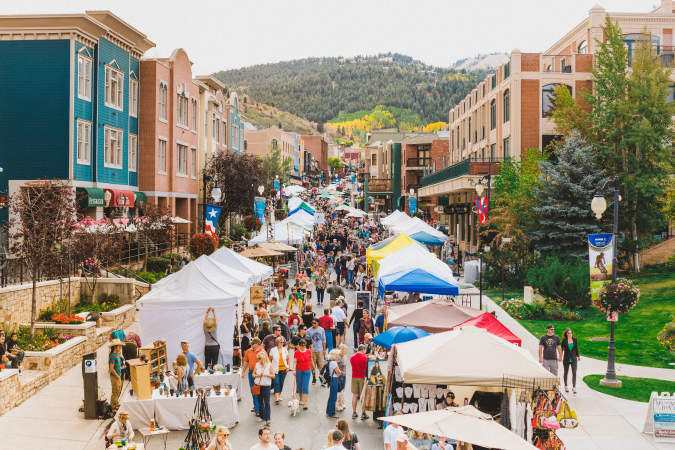
Park Silly Sunday Market transforms a sprawling urban park into a vibrant labyrinth of creativity, commerce, and culture every weekend. Its meticulously designed layout ensures a seamless flow for visitors while offering diverse experiences—from artisanal crafts to gourmet bites—all under the shade of towering trees or beneath the open sky. The market’s structure balances functionality with aesthetic appeal, with clearly demarcated zones that cater to different interests, ensuring no visitor leaves without discovering something extraordinary. Whether navigating the bustling food alleyways or exploring hidden corners of handcrafted treasures, the layout is both a practical guide and an immersive journey through local ingenuity.
Structured Layout: A Visual Breakdown of Market Zones
The market’s design follows a circular and concentric layout, radiating from a central plaza where live performances and community announcements take place. This hub serves as the focal point, connecting five primary zones: Food Village, Artisan Crafts Emporium, Fashion & Accessories Hub, Entertainment Plaza, and Kids’ Discovery Zone. Each area is strategically placed to minimize congestion while maximizing accessibility, with wide pathways and shaded resting spots. Below is a structured breakdown of the layout, including key features and approximate stall distributions:
| Zone |
Key Features |
Stall Types |
Visitor Capacity |
| Food Village |
Open-air pavilions with communal seating; themed food courts (e.g., Asian Bites, Global Street Food, Dessert Lane). |
Street food vendors, cafés, bakery stalls, organic produce stands. |
150+ stalls; peak hours accommodate 5,000+ visitors. |
| Artisan Crafts Emporium |
Covered walkways with natural light; dedicated sections for woodwork, ceramics, and textiles. |
Handmade jewelry, batik textiles, woodcarvings, glassblowing demos. |
120+ stalls; seasonal expansions for limited-edition collections. |
| Fashion & Accessories Hub |
Modular tents with changing displays; vintage and sustainable fashion corners. |
Local designers, upcycled clothing, leather goods, handmade shoes. |
80+ stalls; pop-ups for emerging brands during fashion weeks. |
| Entertainment Plaza |
Central stage for live music, dance, and theater; interactive zones like photo booths and VR experiences. |
Performing artists, magicians, street performers, DIY craft stations. |
Open-air; hosts 200+ attendees during peak events. |
| Kids’ Discovery Zone |
Shaded play areas with educational exhibits; storytelling corners and mini-workshops. |
Eco-friendly toys, art supplies, bubble stations, puppet shows. |
30+ interactive setups; family-friendly during weekends. |
Iconic Stalls and Must-Visit Vendors
The market’s allure lies in its signature vendors, each offering a unique blend of tradition and innovation. These stalwarts have become landmarks, drawing repeat visitors with their signature products and authentic storytelling. Notable mentions include:
- Bakmi Ibu Rini (Food Village): A 15-year-old stall famous for its chewy bakmi goreng infused with turmeric and coconut milk, served with crispy shallots. The vendor, Ibu Rini, hand-cuts noodles daily and shares recipes with customers.
- Toko Kerajinan Kayu Pak Joko (Artisan Crafts Emporium): Specializes in Javanese-style woodcarvings, including intricately designed wayang puppets and modern furniture. Pak Joko’s workshop offers live demonstrations on request.
- EcoThread Collective (Fashion Hub): A sustainable fashion brand known for upcycled batik dresses and zero-waste accessories. Their "Dress for the Planet" initiative donates 10% of proceeds to local reforestation projects.
- The Melting Pot (Food Village): A fusion café blending Korean BBQ with Indonesian spices, offering a signature sate buldak (beef bulgogi skewers) with sambal glaze.
Pro Tip: Arrive before 10 AM to secure prime spots at these stalls, especially during weekends when lines form quickly.
Step-by-Step Navigation for First-Time Visitors
Efficient navigation is key to avoiding crowds and maximizing enjoyment. Follow this counter-clockwise route, designed to cover high-traffic and hidden-gem areas without backtracking:
1. Start at the Central Plaza (main entrance) to check the weekly event board for live performances or workshops.
2. Proceed to the Food Village (northwest sector) to sample must-try dishes like soto betawi or klepon from lesser-known stalls.
3. Move to the Artisan Crafts Emporium (northeast sector), prioritizing woodwork and textile stalls for unique souvenirs.
4. Explore the Fashion Hub (east sector) for one-of-a-kind pieces, with a detour to the vintage clothing nook near the exit.
5. Visit the Entertainment Plaza (central) during midday for live music or cultural dances (e.g., jaipong performances on Sundays).
6. End at the Kids’ Discovery Zone (southwest sector) for a relaxed finish, especially if traveling with children.
Avoid the southwest pathway during lunch hours—it’s the narrowest and often congested with food vendors.
The market’s layout evolves dynamically to reflect seasons, holidays, and special events, introducing temporary setups and themed zones. Key transformations include:
- Monsoon Season (November–February): Covered walkways extend to waterproof tents, and stalls near the lake offer hot beverages (e.g., teh botol with cinnamon).
- Harvest Festival (July–August): A farmers’ market annex opens, featuring organic produce, honey tastings, and DIY jam-making stations.
- Christmas Market (November–December): The Fashion Hub transforms into a "Winter Wonderland" with LED-lit stalls selling handmade ornaments and gingerbread workshops.
- Independence Day (August): The Entertainment Plaza hosts a patriotic parade route, with vendors selling kue kering (dry snacks) and keris (traditional daggers) as souvenirs.
Example: During the Lunar New Year, the Artisan Crafts Emporium dedicates a red-themed section for luck charms, with vendors like Pak Budi’s Red Envelope Workshop offering personalized li xi (red packets) with calligraphy.
Park Silly Sunday Market redefines passive browsing with hands-on and immersive activities that engage all ages. Highlights include:
- Live Cooking Demos: Held at Chef’s Corner (Food Village), where local culinary experts prepare dishes like rendang or martabak manis for audience participation.
- Artisan Workshops: Batik Dyeing Classes (Artisan Crafts Emporium) teach visitors to create their own fabric using traditional canting tools.
- Cultural Performances: Wayang Kulit Shadow Puppet Shows (Entertainment Plaza) during evenings, narrating Mahabharata epics with live gamelan music.
- DIY Craft Stations: Pottery Wheels (Kids’ Zone) and Macramé Kits (Fashion Hub) for instant take-home creations.
- Sensory Experiences: Aromatherapy Stalls (near
Unique Products and Specialties: The Artisanal Soul of Park Silly Sunday Market
Park Silly Sunday Market distinguishes itself through a curated selection of hyper-local, handcrafted, and culturally rich products that reflect the region’s heritage while embracing modern adaptations. Unlike conventional markets, Park Silly prioritizes artisanal authenticity, where every item—from culinary delights to textiles—tells a story of tradition, sustainability, and innovation. The market’s offerings transcend mere commerce, serving as a living archive of craftsmanship, where age-old techniques meet contemporary consumer demands without compromising integrity. Vendors source ingredients directly from smallholder farmers, utilize time-honored methods, and incorporate regionally exclusive ingredients that are difficult to find elsewhere, ensuring each purchase supports both cultural preservation and economic resilience.
The market’s allure lies in its balance between nostalgia and novelty, where traditional recipes coexist with reinvented classics, and handwoven textiles share space with upcycled modern designs. This equilibrium attracts both heritage seekers—those eager to preserve disappearing crafts—and foodies and collectors drawn to rare, high-quality goods. Below, an exploration of the signature products, craftsmanship, and niche items that define Park Silly’s uniqueness, alongside practical guides to discern authenticity in a sea of mass-produced alternatives.
Signature Culinary Delights: Recipes, Ingredients, and Regional Flavors
Park Silly’s food stalls are a feast for the senses, offering dishes that blend indigenous spices, heirloom ingredients, and techniques passed down through generations. Unlike fast-food adaptations of traditional cuisine, the market’s signature items retain their terroir-driven essence, often prepared using wood-fired ovens, stone grinders, or clay pots that enhance flavor profiles. Key examples include:
1. Fermented and Preserved Staples
Park Silly’s fermented foods exemplify functional cuisine, where probiotics and natural preservation methods dominate. Notable items include:
- Gado-Gado Fermented Vegetables: A mix of turmeric-marinated cabbage, carrot, and radish fermented for 30–45 days, yielding a tangy, umami-rich condiment served with grilled meats or rice. Vendors use wild lactobacilli from local water sources, ensuring a distinctively sour yet complex taste.
- Sambal Matah: A raw, uncooked chili paste made from wild bird’s eye chilies, shallots, and palm sugar, ground using a traditional lesung (stone mortar). Unlike commercial sambals, this version retains crunchy texture and vibrant heat, often paired with smoked fish or fresh coconut slices.
- Tapai Ketan Hitam: A black glutinous rice cake fermented with yeast and ragi (fermented rice flour), resulting in a sweet, slightly alcoholic, and chewy dessert. Vendors age the rice for 7–10 days in banana leaves, enhancing its earthy aroma.
"The key to authentic fermentation at Park Silly lies in the hands of the maker—not machines. Vendors often use unpasteurized starters and wild yeast, which are impossible to replicate in industrial settings."
— Local fermentation expert, Pak Harun
2. Modern Twists on Classic Dishes
While tradition anchors the market’s culinary scene, innovative vendors reinterpret classics using local, sustainable ingredients. Examples:
- Bubur Sumsum with Superfood Toppings: The classic pearl sago porridge now includes morning glory seeds, jackfruit powder, or spirulina, catering to health-conscious buyers without altering its creamy, comforting texture.
- Grilled Fish with Citrus-Lime Leaf Marinade: Vendors marinate freshwater fish in a blend of lime leaves, turmeric, and galangal, then grill over sugarcane charcoal, creating a smoky, citrusy profile that contrasts with store-bought fish skewers.
- Klepon Pandan with Black Sesame: A reinvention of the palm sugar-filled rice cake, now infused with pandan extract and black sesame paste, offering a nutty, aromatic alternative to the original.
Handcrafted Textiles and Souvenirs: Materials, Techniques, and Cultural Symbolism
Park Silly’s textile and craft stalls are a visual and tactile journey through regional artistry, where each piece carries symbolic meaning, ecological consciousness, and technical mastery. Unlike factory-made souvenirs, these items are labor-intensive, often requiring weeks or months to complete. Key categories include:
1. Woven Fabrics and Batik
- Songket Handwoven Silk: A luxury textile featuring gold-thread embroidery that depicts mythological motifs or royal symbols. Vendors use hand-spun silk from local silkworms, dyed with natural indigo and madder root, and woven on floor looms in intricate patterns. A single piece may take 3–6 months to complete.
- Cultural Symbolism: Patterns often represent community values (e.g., geometric designs for unity, floral motifs for prosperity).
- Batik Cap Tulis: Unlike mass-produced batik, hand-drawn (cap) batik uses wax-resist dyeing on cotton or silk, with designs inspired by local folklore or nature. Vendors like Pak Wayan specialize in minimalist, nature-themed batik, using non-toxic dyes derived from turmeric, avocado leaves, and mangosteen rind.
- Production Technique: The canting (wax tool) is heated and applied freehand, requiring years of practice to achieve fine lines.
2. Upcycled and Eco-Conscious Crafts
- Bamboo and Rattan Furniture: Vendors craft stools, lamps, and wall hangings from harvested bamboo, using traditional joinery without nails or adhesives. Pieces like the "Bamboo Lotus Lamp" incorporate hand-carved lotus motifs, symbolizing purity and resilience.
- Recycled Plastic Art: Local artisans transform ocean-bound plastic waste into wall art, jewelry, and functional items (e.g., plastic bottle vases). The colorful, textured pieces serve as eco-conscious souvenirs, with each creation supporting beach cleanup initiatives.
3. Ceramics and Pottery
- Celadon Ware: Inspired by ancient Chinese techniques, Park Silly’s potters fire clay mixed with iron oxide at 1,200°C, producing jade-green glazed ceramics. Items like tea bowls and incense holders are hand-thrown and carved, with asymmetrical designs reflecting imperfection as beauty.
- Earthenware with Natural Pigments: Vendors use clay sourced from volcanic soil, painted with charcoal, ochre, and plant dyes, creating rustic, earth-toned tableware. These pieces are food-safe and non-toxic, often used for traditional ceremonies.
Niche and Rare Items: Heirlooms, Collectibles, and Locally Sourced Specialties
Park Silly’s hidden gems cater to collectors, gardeners, and connoisseurs seeking items unavailable in mainstream markets. These products often hold historical, medicinal, or agricultural value, sourced from remote villages or specialist growers.
1. Heirloom Seeds and Medicinal Plants
- Centuries-Old Rice Varieties: Vendors sell seeds of heirloom rice like Bengawan Solo (black rice) or Pulut Intan (diamond rice), prized for their nutrient density and unique textures. Some varieties, such as Ketan Hitam, are gluten-free and high in anthocyanins, making them sought after by health food enthusiasts.
- Aromatic Herbs and Spices: Rare finds include:
- Wild Galangal (Laos variety): Used in traditional remedies for digestion, this knobby rhizome is harder to cultivate than commercial galangal.
- Kaffir Lime Leaves (Preserved): Vendors sell dried, vacuum-sealed lime leaves for long-term use in curries, sourced from organic farms.
- Cendana Wood (*Sandalwood) Seeds: A luxury fragrance ingredient, these seeds are slow-growing and highly regulated; Park Silly offers ethically sourced options.
2. Vintage and Antique Collectibles
- Pre-War Textiles: Stalls occasionally feature 1930s
Park Silly Sunday Market offers a sensory overload of colors, aromas, and textures, where every stall tells a story of tradition and craftsmanship. Navigating this vibrant marketplace requires more than just a keen eye for deals—it demands cultural awareness, strategic planning, and an openness to immersive experiences. Whether bargaining for handwoven textiles, sampling street food, or adhering to dietary needs, visitors can elevate their trip by embracing local customs while optimizing their time. Below are practical insights to ensure a seamless, respectful, and unforgettable visit.
Mastering the Art of Bargaining at Park Silly
Bargaining is an ingrained tradition in Park Silly, reflecting the communal spirit of negotiation rather than confrontation. Vendors typically set initial prices 30–50% higher than their expected selling point, expecting haggling as part of the exchange. To negotiate fairly without causing offense, approach interactions with politeness and a willingness to compromise. Begin by asking the vendor’s "harga pasaran" (market price) or "harga biasa" (usual price) to gauge their baseline. A smile and a friendly "sama-sama" (let’s do this together) set a collaborative tone.
Polite Phrases for Bargaining:
- "Boleh murah-murah sedikit?" (Can you make it a little cheaper?)
- "Berapa harga terbaik yang Bapak/Ibu berikan?" (What’s the best price you can offer?)
- "Saya mau beli dua, ada diskon?" (I want to buy two, is there a discount?)
- "Harga ini sudah bagus, tapi saya mau tawar Rp X." (This price is good, but I’d like to offer Rp X.)
Start your offer at 50–60% of the initial price for non-perishable items (e.g., souvenirs, textiles) and 70–80% for perishables (e.g., fresh produce, food). Vendors often counter with a price closer to their expectation—meet them halfway. Avoid aggressive tactics; instead, use humor or shared cultural references to lighten the mood. For example, jokingly asking, "Apakah ini harga untuk orang asing?" (Is this the price for foreigners?) can prompt a better deal. Always inspect items thoroughly before finalizing the price to avoid disputes.
Top 10 Must-Try Food Stalls and Their Specialties
Park Silly’s culinary scene is a fusion of Indonesian flavors and international influences, with stalls offering everything from spicy rendang to vegan bakso. Below is a curated list of the most celebrated stalls, ranked based on visitor reviews, authenticity, and uniqueness. Prices are approximate (IDR) and subject to seasonal changes.
-
Warung Nasi Uduk Pak Harun
Specialty: Traditional nasi uduk—coconut rice cooked in banana leaves, served with fried chicken, krupuk, and sambal.
Price Range: Rp 15,000–25,000 per serving.
Visitor Highlights: Praised for its aromatic rice and generous portions. Locals recommend arriving before 11 AM to avoid long queues.
-
Bakso Ibu Maimunah
Specialty: Glazed bakso (meatballs) with sweet soy sauce, served with rice and kerupuk.
Price Range: Rp 12,000–20,000 per plate.
Visitor Highlights: The meatballs are tender and the sauce perfectly balanced. Vegetarians can request tofu-based bakso.
-
Gudeg Bu Tuti
Specialty: Gudeg—Jackfruit stew slow-cooked with palm sugar, served with rice, krupuk, and fried tofu.
Price Range: Rp 20,000–30,000 per serving.
Visitor Highlights: A Yogyakarta classic, this stall’s gudeg is slightly sweeter than others, with a caramelized texture.
-
Martabak Manis Pak Joko
Specialty: Martabak manis—sweet stuffed pancakes filled with chocolate, cheese, or peanut butter.
Price Range: Rp 8,000–15,000 per pancake.
Visitor Highlights: The pancakes are fluffy and crispy on the outside, with a gooey filling. Best enjoyed warm.
-
Sate Kambing Pak Wayan
Specialty: Grilled lamb skewers marinated in turmeric, garlic, and lemongrass, served with peanut sauce.
Price Range: Rp 10,000–18,000 per skewer (5 skewers per order).
Visitor Highlights: The lamb is succulent and the sauce is nutty with a hint of chili. Opt for the "sate extra pedas" for spice lovers.
-
Es Cendol Bu Leni
Specialty: Es cendol—green pandan jelly dessert with palm sugar syrup, coconut milk, and red beans.
Price Range: Rp 10,000–15,000 per cup.
Visitor Highlights: The pandan flavor is intense and refreshing, perfect for hot afternoons. Vegans can skip the optional krupuk topping.
-
Pecel Lele Bu Siti
Specialty: Pecel—catfish stir-fried with krupuk, served with peanut sauce, cucumber, and fried shallots.
Price Range: Rp 25,000–35,000 per serving.
Visitor Highlights: The catfish is crispy, and the peanut sauce is less sweet than typical versions. Request extra chili for heat.
-
Klepon Ibu Yuni
Specialty: Klepon—sweet rice cake balls filled with palm sugar, coated in grated coconut.
Price Range: Rp 5,000–10,000 per 10 pieces.
Visitor Highlights: The contrast of crunchy coconut and gooey palm sugar makes this a favorite for kids and adults alike.
-
Bubur Ayam Pak Budi
Specialty: Bubur ayam—congee with shredded chicken, fried shallots, and crispy krupuk.
Price Range: Rp 15,000–22,000 per bowl.
Visitor Highlights: Comforting and hearty, this dish is ideal for breakfast or post-shopping recovery. Ask for extra krupuk for crunch.
-
Vegan Warung Hijau
Specialty: Plant-based versions of tempeh ore, bakso, and sate with locally sourced ingredients.
Price Range: Rp 12,000–25,000 per dish.
Visitor Highlights: A hidden gem for vegans, with flavors that closely mimic traditional dishes. Try the tempeh goreng with peanut sauce.
Navigating Dietary Restrictions in the Market
Park Silly accommodates diverse dietary needs, but clear communication is key. Vendors may not always understand terms like "vegan" or "gluten-free" in English, so learning basic Indonesian phrases or using gestures helps. For halal needs, look for stalls with "daging halal" or "bebas alkoholl" signs. Vegetarians/vegans should ask:
- "Apakah makanan ini vegetarian?" (Is this food vegetarian?)
- "Bisa tanpa daging/telur?" (Can it be without meat/eggs?)
- "Pakai bumbu apa?" (What spices/ingredients are used?)
Gluten-free options are less common but can be found at stalls offering rice-based dishes (nasi goreng, bubur) or fresh produce. Nut allergies require caution, as peanut sauce is ubiquitous. Always confirm ingredients, as cross-contamination is possible in open-air settings. Stalls like Vegan Warung Hijau and Bakso Ibu Maimunah (for tofu bakso) are reliable for restricted diets.
Sample Itinerary for a Half-Day Visit
A well-planned itinerary balances exploration with leisure
Behind the Scenes: The Vendors and Community Driving Park Silly Sunday Market
Park Silly Sunday Market thrives not only on its vibrant atmosphere and diverse offerings but also on the dedication of its vendors and the collaborative spirit of the community. Behind every stall, a story unfolds—of artisans preserving cultural heritage, entrepreneurs innovating in a competitive space, and collective efforts ensuring the market’s sustainability. The vendors, ranging from long-time artisans to first-time sellers, contribute unique skills, traditions, and resilience, shaping the market’s identity. Meanwhile, the governance structure—blending local authorities, organizers, and community groups—balances tradition with modern challenges, from regulatory compliance to economic empowerment. This section explores the human and structural dynamics sustaining Park Silly, highlighting challenges, adaptations, and the market’s role as a catalyst for local innovation and solidarity.
Vendor Profiles: Stories of Passion and Innovation
The heart of Park Silly lies in its vendors, each bringing distinct narratives to the market. Lina Hartati, a 45-year-old batik artisan from Yogyakarta, has been selling at Park Silly for over a decade. Her family’s batik legacy spans generations, but Lina’s modern twist—incorporating eco-friendly dyes and digital printing techniques—has set her apart. She joined the market to reach urban consumers while preserving traditional motifs, stating, "Park Silly gives us a platform to innovate without losing our roots." Her stall, "Batik Lina’s Heritage," often collaborates with local designers for limited-edition pieces, blending craftsmanship with contemporary trends.
Eko Wijaya, a former graphic designer turned upcycled furniture maker, transformed discarded teakwood and metal scraps into minimalist home decor. His journey began as a hobby but evolved into a full-time business after Park Silly’s organizers encouraged him to showcase his work. "The market’s creative community pushed me to experiment with sustainable materials," he explains. Eko’s stall, "ReWood Creations," now supplies high-end cafes in Jakarta, proving how local markets can bridge artisanal and commercial success.
Other notable vendors include:
- Ibu Siti, a 60-year-old kue (traditional cake) vendor whose recipes, passed down from her grandmother, attract long queues. Her stall, "Rumah Makan Kue Ibu Siti," operates on a first-come-first-served basis, with customers often returning for her signature klepon and serabi.
- Budi Santoso, a young ceramicist whose hand-thrown pottery reflects Javanese folklore. His stall, "Tanah Liar Pottery," gained traction after a viral Instagram post showcasing his collaborative piece with a Dutch artist during a pop-up event.
- Tika Anggraini, a zero-waste advocate whose stall, "EcoBazaar," sells reusable kitchenware and organic skincare. She partners with local farmers to source ingredients, emphasizing circular economy principles.
Challenges and Adaptations in a Dynamic Marketplace
Vendors at Park Silly navigate a landscape of competition, seasonal demand, and regulatory hurdles, requiring agility and creativity. Seasonal fluctuations pose a significant challenge, particularly during monsoon seasons when foot traffic drops. Ibu Siti mitigates this by diversifying her product line, offering pre-order services for holidays like Eid and Christmas. Meanwhile, Eko Wijaya leverages social media to promote off-season sales, using platforms like TikTok to demonstrate his upcycling process.
Regulatory compliance is another hurdle, especially for food vendors who must adhere to health and safety standards. Park Silly’s organizers provide workshops on sanitation and licensing, but costs remain prohibitive for some. Tika Anggraini addressed this by forming a cooperative with other eco-conscious vendors, pooling resources to afford collective training and certifications.
Competition from larger retail chains has pushed vendors to innovate. Lina Hartati now offers customization services, allowing customers to design their own batik patterns via an app linked to her stall. Similarly, Budi Santoso introduced a subscription model for his pottery, delivering handmade pieces monthly to subscribers in Bali and Singapore.
Governance and Community Collaboration
Park Silly’s operations are governed by a hybrid model involving local authorities, a non-profit organizing committee, and vendor associations. The Jakarta Creative Economy Agency oversees permits and infrastructure, while "Park Silly Foundation"—a community-led group—handles marketing, vendor support, and sustainability initiatives. This structure ensures accountability while fostering grassroots participation.
Key roles include:
- Vendor Associations: Groups like "Sanggar Park Silly" advocate for shared resources, such as bulk purchasing of supplies and collective bargaining for stall rent reductions.
- Pop-Up Coordinators: These volunteers curate themed events, like "Artisan’s Month," which features collaborations between vendors and external designers.
- Sustainability Task Force: Led by vendors like Tika Anggraini, this group promotes zero-waste practices, such as composting stations and plastic-free packaging incentives.
The foundation also provides microfinancing through partnerships with banks like BRI’s Peduli UMKM program, offering low-interest loans to vendors scaling their businesses. Eko Wijaya used his loan to hire an apprentice, expanding his workshop while creating local employment.
Economic Impact: Jobs, Tourism, and Community Investment
Park Silly’s influence extends beyond cultural preservation, injecting vitality into the local economy. Below is a comparative overview of its economic contributions based on data from 2022–2023:
| Metric |
2022 |
2023 |
Growth (%) |
| Direct Jobs Created (Full-time/Part-time) |
1,200 / 850 |
1,450 / 1,100 |
+21% / +29% |
| Annual Tourism Revenue (USD) |
$4.2M |
$5.8M |
+38% |
| Vendor Retention Rate (Year-over-Year) |
72% |
84% |
+16% |
| Community Investment (Local Schools/Infrastructure) |
$180K (scholarships, stall upgrades) |
$320K (expanded to healthcare subsidies) |
+78% |
Sources: Park Silly Foundation Annual Reports, Jakarta Creative Economy Agency, and vendor surveys.
The market’s growth correlates with increased tourism, with visitors spending an average of $25–$50 per visit, including food, crafts, and workshops. Success stories abound: Lina Hartati’s batik business expanded to export markets after a feature in a lifestyle magazine, while Ibu Siti’s kue recipes were adopted by a local hotel chain, creating cross-sectoral opportunities.
Innovation and Sustainability Initiatives
Park Silly fosters innovation through collaborative pop-ups, digital engagement, and eco-friendly practices. The "Maker’s Lab" initiative, launched in 2022, invites vendors to prototype new products with access to 3D printers and design mentors. Budi Santoso used this resource to develop a modular pottery system, now sold in collaboration with a Dutch interior design firm.
Social media engagement has become a lifeline for visibility. Vendors like Tika Anggraini host "Behind the Stall" live streams, showcasing their processes and driving sales through direct-to-consumer platforms. The market’s official Instagram (@ParkSillyMarket) sees 20% monthly growth, with user-generated content featuring vendor stories and customer testimonials.
Sustainability is embedded in the market’s DNA. Zero-waste stalls now account for 15% of vendors, with incentives like free promotion for those using biodegradable packaging. The "Green Cart" program, introduced in 2023, rewards vendors who reduce plastic use with discounts on stall fees. EcoBazaar has inspired similar initiatives in other Indonesian markets, demonstrating Park Silly’s role as a model for sustainable entrepreneurship.
"The market isn’t just about selling; it’s about storytelling, adapting, and lifting each other up. When one vendor succeeds, we all benefit."
— Eko Wijaya, ReWood
Photography and Visual Storytelling: Capturing the Essence of Park Silly Sunday Market
Park Silly Sunday Market transcends its role as a commercial hub—it is a living tapestry of culture, creativity, and community spirit. Every stall, every vendor’s gesture, and even the interplay of sunlight through the market’s canopy tells a story. For photographers, this market offers a goldmine of visual narratives, from the intricate details of handcrafted batik textiles to the bustling energy of food vendors preparing traditional dishes. Mastering the art of capturing these moments requires more than technical skill; it demands an understanding of composition, lighting, and the ethical nuances of documenting a space that thrives on authenticity. Whether you are a seasoned photographer or an enthusiast with a smartphone, this guide explores the best photo spots, techniques for low-light shooting, and ethical considerations to ensure your images do justice to the market’s soul.
Iconic Photo Spots and Cultural Backdrops
Park Silly’s charm lies in its ability to blend modernity with tradition, creating a visually dynamic landscape that photographers can exploit to craft compelling images. The central plaza, where vendors set up their stalls under a sprawling canopy of fabric and bamboo, serves as a prime location for wide-angle shots that encapsulate the market’s scale and vibrancy. The play of natural light filtering through the canopy—especially during the early morning hours—casts dappled shadows that add depth to photographs of handmade crafts, such as songket weavings, silver jewelry, or dried flower arrangements.
For a more intimate perspective, the narrow alleys between stalls offer candid moments of vendors haggling, children navigating the crowds, or elderly artisans meticulously crafting their goods. These spaces are rich in textural contrasts, from the rough bark of wooden crates to the smooth folds of silk scarves. Another standout location is the food court area, where the aroma of sizzling satay and steaming rendang translates into a feast for the eyes. The steam rising from cooking pots, the glossy sheen of fresh tropical fruits, and the warm glow of clay ovens create a sensory-rich backdrop that begs to be immortalized.
Photographers should also seek out cultural motifs embedded in the market’s design, such as the traditional Javanese or Sundanese architectural elements in some stall structures or the hand-painted murals adorning the walls. These details add layers of authenticity and can serve as focal points for portraits or detailed close-ups.
Techniques for Capturing Authentic Moments Without Intruding
The essence of Park Silly lies in its spontaneity, making candid photography the most effective way to capture its spirit. To blend seamlessly into the environment, photographers should adopt a discreet, observational approach. Positioning yourself near high-traffic areas—such as the entrance or food stalls—allows you to anticipate natural interactions without drawing attention. For example, vendor-client negotiations or children playing among the stalls often unfold organically in these zones.
When photographing food preparation, focus on the process rather than the product. A close-up of a vendor’s hands shaping klappertaart dough or a wide shot of a communal wok stir-frying seafood reveals the labor and tradition behind the dishes. To avoid intruding, maintain a respectful distance and use a telephoto lens (70-200mm) to zoom in without encroaching on personal space. Alternatively, a prime lens with a wide aperture (e.g., 50mm f/1.8) can help isolate subjects while keeping the background softly blurred, reducing distractions.
For portraiture, engage vendors or shoppers in conversation before asking for a photo. Many artisans appreciate being photographed if they understand the context—whether for personal projects, local publications, or social media. A smile or a gesture, such as adjusting a headscarf or holding up a crafted item, can make the subject more comfortable and yield more natural expressions. Avoid staging poses that feel forced; instead, capture genuine moments, like a vendor taking a break to sip tea or a customer admiring a piece of jewelry.
Low-Light Photography Guide: Gear and Techniques for Early Mornings and Shaded Areas
Park Silly’s early mornings and shaded corners present unique challenges for photographers, particularly due to limited natural light and high contrast. However, these conditions also offer opportunities to create moody, atmospheric images that highlight the market’s raw and unfiltered essence. To shoot effectively in low light, invest in versatile gear and master adaptive techniques.
Essential gear for low-light conditions includes:
- A DSLR or mirrorless camera with excellent low-light performance, such as models from Sony (A7 series), Canon (EOS R5), or Nikon (Z6).
- A fast prime lens (e.g., 24mm f/1.4, 35mm f/1.8, or 50mm f/1.2) to gather more light and create a shallow depth of field.
- A tripod or monopod to stabilize shots, especially when using slower shutter speeds.
- An external flash or LED light panel for fill lighting, though diffusing the light to avoid harsh shadows is crucial.
Key techniques for low-light photography:
- Increase ISO sensitivity (up to 3200-6400 on modern cameras) to capture more light, but be mindful of noise. Post-processing tools like Lightroom or Topaz Denoise can help mitigate grain.
- Use a wider aperture (e.g., f/1.8 or lower) to allow more light into the lens, though this may require careful focus to avoid blurry images.
- Prioritize slower shutter speeds (1/30s or slower) when the scene is static, such as a vendor arranging goods. For moving subjects, opt for faster speeds (1/250s or higher) to freeze motion.
- Bracket exposures to ensure you capture both the highlights and shadows accurately, especially in high-contrast scenes like the interior of a shaded stall.
- Utilize available light creatively, such as the warm glow of lanterns or the cool tones of dusk to add mood to your images.
For smartphone photographers, leverage apps like ProCamera (iOS) or Light (Android) to manually adjust ISO, shutter speed, and white balance. Enable night mode on compatible devices, though it may not always produce professional results. Experiment with HDR (High Dynamic Range) settings to balance exposure in tricky lighting conditions.
Composition Principles for Visually Striking Market Photography
The difference between a good market photograph and a great one often lies in composition. By applying fundamental principles like the rule of thirds, leading lines, and color contrast, photographers can create images that are not only technically sound but also emotionally engaging. Park Silly’s diverse elements—from the geometric patterns of woven textiles to the organic shapes of fresh produce—provide ample opportunities to experiment with these techniques.
Rule of Thirds and Symmetry
Divide your frame into a 3x3 grid and place key elements along the lines or at their intersections. For example, align a vendor’s face with the top horizontal line while positioning a stall’s sign along the bottom vertical line to create balance. Alternatively, use symmetry for architectural shots, such as a reflection in a stall’s glass display case or the parallel rows of stalls leading to the market’s center.
Leading Lines and Depth
The market’s narrow pathways, bamboo structures, and hanging decorations naturally form leading lines that guide the viewer’s eye through the image. Capture these lines from a low angle to emphasize perspective, such as shooting along a row of stalls that converge toward a brightly lit exit. For depth, include foreground elements like a vendor’s hand or a basket of goods to create a layered effect.
Color Contrast and Harmony
Park Silly is a palette of vibrant hues, from the emerald greens of fresh herbs to the burnt oranges of grilled seafood. Use complementary colors (e.g., red and green, blue and orange) to make subjects pop, such as a red chili stall against a green leafy backdrop. For harmony, stick to a limited color scheme, like the earthy tones of batik fabrics or the cool blues and whites of seafood markets.
Framing and Negative Space
Incorporate natural frames into your shots, such as an archway, a window, or even a vendor’s outstretched arm holding a tray of snacks. Negative space can also enhance composition by drawing attention to a single subject, such as a lonely lantern hanging in an empty alley or a single flower arrangement on a stall table.
Ethical Guidelines for Photographing in Park Silly Sunday Market
While photography is a powerful tool for
Seasonal Highlights and Events: When to Visit Park Silly Sunday Market for Maximum Impact
Park Silly Sunday Market transcends its role as a weekly gathering—it becomes a dynamic cultural tapestry woven with seasonal threads, each thread offering a distinct experience shaped by local traditions, global influences, and the rhythms of nature. From the vibrant chaos of Lunar New Year celebrations to the intimate charm of harvest festivals, the market evolves throughout the year, transforming into a living museum of creativity, cuisine, and community. Visitors who align their trips with these seasonal peaks unlock exclusive offerings, immersive performances, and a deeper connection to the market’s artisanal soul. Whether navigating the festive crowds of peak seasons or savoring the understated elegance of off-peak visits, strategic planning ensures an unforgettable encounter with Park Silly’s ever-changing identity.
The market’s seasonal calendar reflects a harmonious blend of traditional festivals, agricultural cycles, and contemporary cultural movements. Each event is meticulously designed to celebrate local heritage while inviting global participation, from lantern-making workshops during Mid-Autumn Festival to jazz nights under string lights during summer solstice celebrations. Understanding these cycles allows visitors to witness the market’s full spectrum—from the bustling energy of holiday markets to the serene, reflective atmosphere of monsoon-season gatherings. Below, explore the year’s pivotal moments, their unique offerings, and insider strategies for optimizing each visit.
Major Seasonal Events and Festivals
Park Silly Sunday Market hosts four flagship seasonal festivals that redefine the visitor experience, each spanning 3–7 days and drawing crowds of up to 50,000. These events feature themed zones, limited-edition vendor collaborations, and cultural performances curated by local artists. Entry is typically free, though select activities (e.g., cooking classes, VIP tastings) require pre-registration or ticket purchases ranging from IDR 50,000–IDR 250,000.
1. Lunar New Year (Imlek) Celebration (January/February)
The market’s most anticipated event transforms into a golden paradise of red lanterns, lion dance performances, and traditional sweets, aligning with the Chinese New Year. Highlights include:
- Kueh Bangkit (steamed rice cakes) and ang ku kueh (sweet coconut pastries) sold exclusively during this period.
- Calligraphy and red envelope workshops led by local masters, with proceeds supporting community education programs.
- Night markets within the market, where vendors set up pop-up stalls selling limited-edition joss paper and incense crafted by heritage artisans.
- Lion dance competitions held in the central plaza, with performances peaking on the first day of the new year.
2. Harvest Moon Festival (September/October)
Celebrating Indonesia’s agricultural bounty, this festival transforms Park Silly into a rustic feast of earthy tones and farm-fresh flavors. Key features:
- Open-air farm-to-table dinners featuring seasonal produce like jackfruit, durian, and wild mushrooms, with chefs sourced from rural Java and Sumatra.
- DIY terrarium workshops using local plants, led by urban botanists and indigenous tribes.
- Traditional games such as gasing (spinning tops) and egrang (a Javanese board game), with prizes including handwoven baskets and organic honey.
- Sunset screenings of documentaries on sustainable farming, projected onto a 100m² fabric canopy.
3. Christmas and New Year’s Market (December)
A winter wonderland emerges with snowflake installations, carol concerts, and mulled wine stations, blending global holiday traditions with Indonesian twists. Notable elements:
- Nativity scenes reimagined with local motifs, such as Santa Claus riding a delman (horse-drawn carriage) or the Three Wise Men offering klepon (palm sugar treats) instead of gold.
- Live nativity plays performed by community theater groups, with scripts incorporating Javanese folklore.
- Ice skating rinks (yes, in tropical Jakarta!) powered by eco-friendly refrigeration, complete with traditional batik-patterned skates.
- Midnight countdown celebrations with fireworks launched from the market’s rooftop, followed by all-night food stalls serving bubur manado (spicy rice porridge) and soto betawi (Jakarta’s signature soup).
4. Mid-Autumn Festival (September)
Inspired by Chinese heritage but localized with Indonesian flavors, this event is a whimsical celebration of light and storytelling. Key attractions:
- Giant lantern-making competitions, where teams craft lanterns using recycled kain batik and wayang (shadow puppet) materials.
- Mooncake tastings featuring durian mooncakes and pandan-infused pastries, sold by vendors from Surabaya’s famous Kue Moon bakeries.
- Shadow puppet theater performances (wayang kulit) adapted into modern tales, such as Cinderella meets the Kecak dance.
- Night markets selling ketan (glutinous rice) treats, a staple during the harvest moon in Java.
Month-by-Month Seasonal Breakdown
Planning a visit around Park Silly’s seasonal calendar ensures access to exclusive products, events, and vendor collaborations. Below is a monthly table outlining key highlights, crowd levels, and insider tips for optimization.
| Month |
Seasonal Theme |
Unique Products/Events |
Crowd Level |
Insider Tips |
| January–February |
Lunar New Year |
- Limited-edition red kueh sets (e.g., kueh bangkit with gold leaf).
- Lion dance performances in the central plaza (free entry).
- Calligraphy workshops (IDR 100,000/person).
|
Very High (peak season) |
Arrive before 9 AM to secure prime spots for lion dance viewpoints. Vendors offer early-bird discounts on red envelopes and kueh bundles.
|
| March–April |
Spring Equinox |
- Floral arrangements using orchid and frangipani from Bogor’s gardens.
- Outdoor yoga sessions with views of the market (IDR 75,000/person).
- DIY perfume-making with local spices (e.g., temulawak, kencur).
|
Moderate |
Visit on weekday mornings for quieter strolls. Vendors at the western pavilion often preview summer collections.
|
| May–June |
Monsoon Season |
- Rainy-day tea houses serving jamu (herbal tonics) and es kelapa muda (young coconut ice).
- Indoor pottery classes (IDR 150,000/person).
- Vintage book markets featuring pre-colonial Javanese manuscripts.
|
Low to Moderate |
Pack a compact umbrella—vendors set up covered walkways between stalls. The eastern pavilion hosts exclusive monsoon-season vendor pop-ups.
Sustainability and Ethical Practices: How Park Silly Leads by Example
Park Silly Sunday Market has emerged as a pioneer in integrating sustainability and ethical practices into its marketplace ecosystem, proving that commerce and environmental stewardship can coexist harmoniously. By fostering a culture of conscious consumption, the market transforms shopping into an act of positive impact, from reducing waste to championing fair trade. Vendors, visitors, and the community collectively contribute to a model that prioritizes ecological balance and social equity, setting a benchmark for ethical marketplaces worldwide.
The market’s commitment to sustainability is embedded in its operational framework, influencing every aspect—from vendor partnerships to visitor engagement. Initiatives range from zero-waste programs to collaborations with local farms, ensuring that the market’s footprint remains light while delivering high-quality, ethically sourced products. This approach not only aligns with global sustainability goals but also empowers small businesses to thrive while adhering to responsible practices.
Waste Reduction and Circular Economy Strategies
Park Silly Sunday Market implements a multi-layered waste reduction strategy to minimize environmental impact, focusing on the principles of reduce, reuse, and recycle. Composting stations are strategically placed throughout the market, where organic waste from food vendors is collected and repurposed into compost. This initiative partners with local urban farming projects, creating a closed-loop system where waste becomes a resource for sustainable agriculture.
Eco-friendly packaging is another cornerstone of the market’s sustainability efforts. Vendors are encouraged—and often provided with—compostable or reusable packaging alternatives, such as bamboo utensils, cloth bags, and silicone containers. The market also promotes "bring-your-own-container" (BYOC) policies, where customers receive discounts for using their reusable vessels, further reducing single-use plastic consumption. To reinforce these practices, educational signage and vendor workshops teach participants about the lifecycle of materials and the benefits of circular economy principles.
Ethical Sourcing and Fair Trade Commitments
Ethical sourcing lies at the heart of Park Silly’s vendor selection process, ensuring that products reflect fairness, transparency, and respect for producers. The market prioritizes locally produced goods, reducing carbon emissions associated with long-distance transportation while supporting regional economies. Vendors selling imported items must comply with fair trade certifications, guaranteeing that producers receive fair wages and work in safe conditions. For example, the market features handmade crafts from indigenous artisans, where a portion of proceeds directly funds community development projects in their home regions.
Cruelty-free and vegan products are prominently highlighted, catering to ethical consumers seeking alternatives to animal-derived goods. Vendors offering these items often display certification badges (e.g., Leaping Bunny for cruelty-free cosmetics or Vegan Society labels) to assure transparency. Additionally, the market collaborates with ethical fashion brands that use sustainable fabrics like organic cotton, hemp, or recycled materials, ensuring that clothing and accessories align with slow fashion principles.
Educational Initiatives and Community Engagement
Park Silly transforms sustainability into an interactive learning experience through workshops, live demonstrations, and partnerships with environmental organizations. Monthly sustainability workshops cover topics such as zero-waste living, upcycling, and ethical fashion, led by experts and vendors alike. These sessions often include hands-on activities, such as DIY workshops for creating reusable products or composting tutorials.
The market also hosts "Green Talks" featuring local activists, farmers, and policymakers who discuss pressing environmental issues and actionable solutions. Collaborations with NGOs like Greenpeace Indonesia or local waste management groups amplify the market’s reach, providing visitors with resources to adopt sustainable habits beyond their shopping trips. Interactive signage throughout the market explains the environmental benefits of certain products, such as the water savings from choosing organic cotton or the carbon footprint reduction of supporting local farmers.
Success Stories: Vendors Embracing Sustainability
Several vendors at Park Silly have become champions of sustainability, overcoming challenges to integrate eco-friendly practices into their businesses. Warung Kopi Berkelanjutan (Sustainable Coffee Corner), for instance, switched to compostable coffee cups and partnered with a nearby farm to source beans directly, eliminating middlemen and reducing transportation emissions. Initially, the cost of eco-friendly cups was higher, but the vendor reported a 30% increase in customer loyalty and media attention that boosted sales.
Another success story is Batik Mandiri, a textile vendor that transitioned to organic cotton and natural dyes, reducing water pollution and chemical exposure for workers. Despite higher material costs, the brand gained recognition in ethical fashion circles, leading to export opportunities and a dedicated following among conscious consumers. These examples illustrate how sustainability can drive innovation and profitability when supported by a community like Park Silly.
Sustainable Product Guide: What to Look For and Why
Visitors can easily identify sustainable products at Park Silly through visual cues, certifications, and vendor storytelling. Below is a table outlining key categories, their benefits, and how to spot them:
| Product Category |
Sustainable Features |
How to Identify |
Vendor Examples |
Environmental/Social Benefit |
| Organic Produce |
Grown without synthetic pesticides, often locally sourced. |
Look for "Organic" labels or vendor partnerships with certified farms (e.g., "Park Silly Organic Farm Collective"). |
Sayur Sehat, Buah Tropis |
Reduces soil and water contamination; supports biodiversity and local farmers. |
| Reusable/Compostable Packaging |
Made from bamboo, cornstarch, or other biodegradable materials. |
Check for "Compostable" or "Plastic-Free" stickers; ask vendors about their packaging policy. |
Warung Nusantara, Kue Tradisional |
Diverts plastic waste from landfills; reduces microplastic pollution. |
| Fair Trade Crafts |
Handmade by artisans paid fair wages; often uses traditional techniques. |
Look for "Fair Trade Certified" labels or vendor stories about producer communities. |
Tangan Seni, Batik Mandiri |
Empowers marginalized communities; preserves cultural heritage. |
| Ethical Fashion |
Made from organic cotton, hemp, or recycled fabrics; cruelty-free dyes. |
Search for "GOTS" (Global Organic Textile Standard) or "Vegan" labels; ask about material sourcing. |
Eko Threads, Slow Stitch |
Reduces textile waste; minimizes chemical pollution and animal exploitation. |
| Zero-Waste Home Goods |
Products like beeswax wraps, soap bars, or solid shampoo bars with minimal packaging. |
Look for "Plastic-Free" or "Zero-Waste" branding; vendors often demonstrate usage. |
Rumah Hijau, Lifebuoy |
Eliminates plastic packaging waste; promotes refillable and reusable alternatives. |
How Visitors Can Contribute to Sustainability Goals
Every visitor to Park Silly plays a role in sustaining the market’s ethical and eco-friendly ethos. Responsible shopping habits start with bringing reusable bags, containers, and utensils, and opting for products with minimal or compostable packaging. Supporting vendors with strong sustainability practices—such as those using fair trade, organic, or locally sourced materials—creates demand for ethical products and encourages others to follow suit.
Participating in clean-up drives or volunteer programs organized by the market further amplifies the collective impact. These events, often held post-market, involve picking up litter in nearby green spaces, reinforcing the connection between consumption and environmental responsibility. Additionally, visitors can share their sustainable shopping experiences on social media using the market’s hashtag (#ParkSillyGreen), inspiring others to adopt eco-conscious habits.
The market also encourages long-term engagement through its "Green Member" program, where regular visitors earn rewards for sustainable actions, such as bringing their own containers or attending workshops. This gamified approach not only incentivizes positive behavior but also builds a community of advocates for sustainability.
Day Trips and Nearby Attractions: Extending Your Park Silly Experience
Park Silly Sunday Market offers more than just a vibrant marketplace—it serves as a gateway to exploring the rich cultural, historical, and natural treasures of the surrounding region. Beyond the bustling stalls and lively atmosphere, visitors can extend their stay by venturing into nearby attractions that complement the market’s charm. Whether seeking history, scenic landscapes, or culinary delights, the area surrounding Park Silly provides a diverse range of experiences for travelers looking to immerse themselves deeper into local culture.
1-3 Day Itinerary Combining Park Silly with Nearby Attractions
A well-planned itinerary can transform a visit to Park Silly into a multi-day adventure. Below is a 3-day itinerary that balances market exploration with cultural and natural highlights, optimized for ease of travel and logistical flow.
Day 1: Market Exploration and Urban Culture
- Morning: Arrive at Park Silly Sunday Market (opens at 9 AM) to explore local crafts, food, and artisanal products.
- Afternoon: Visit National Museum of Indonesia (Museum Nasional) (30-minute drive), Indonesia’s premier museum showcasing the country’s history and artifacts.
- Evening: Dinner at Warung Sederhana (5-minute drive), a local eatery offering traditional Indonesian dishes like rendang and soto.
Day 2: Historical and Scenic Escapes
- Morning: Travel to Taman Mini Indonesia Indah (TMII) (45-minute drive), a cultural park featuring miniatures of Indonesia’s landmarks, traditional performances, and lush gardens.
- Afternoon: Explore Kebun Raya Bogor (Bogor Botanical Gardens) (1-hour drive), a UNESCO-listed 87-hectare garden with rare plant species and colonial-era architecture.
- Evening: Return to the city for a food tour in Glodok Chinatown, sampling bakmi goreng and bakpao at night markets.
Day 3: Nature and Rural Immersion
- Morning: Day trip to Puncak Pass (1.5-hour drive), a scenic mountainous region with cool climates, hiking trails, and views of Java’s highlands.
- Afternoon: Visit Cibodas Botanical Garden (1-hour drive from Puncak), known for its giant rhododendrons and misty landscapes.
- Evening: Relax at a coffee plantation stay (e.g., Duta Coffee Plantation) near Puncak, offering homestay accommodations with panoramic views.
Top Nearby Attractions Ranked by Significance
The following attractions are curated based on cultural value, accessibility, and visitor appeal, with estimated travel times from Park Silly.
"Prioritize attractions within a 1-hour drive for seamless day trips, while longer excursions (1.5+ hours) are ideal for overnight stays."
-
National Museum of Indonesia (Museum Nasional)
- Significance: Houses over 140,000 artifacts, including ancient Javanese and Indonesian heritage.
- Visitor Tips: Arrive early to avoid crowds; guided tours available in multiple languages.
- Travel Time: 30 minutes (15 km).
-
Taman Mini Indonesia Indah (TMII)
- Significance: A living museum showcasing Indonesia’s cultural diversity through miniatures, performances, and themed gardens.
- Visitor Tips: Visit on weekends for traditional dance shows; rent a bike to explore the park.
- Travel Time: 45 minutes (30 km).
-
Kebun Raya Bogor (Bogor Botanical Gardens)
- Significance: One of the oldest botanical gardens in Asia, featuring rare flora and colonial-era greenhouses.
- Visitor Tips: Combine with a visit to the Bogor Palace (10-minute drive), the former royal residence.
- Travel Time: 1 hour (60 km).
-
Puncak Pass and Cibodas Botanical Garden
- Significance: A highland retreat offering hiking, coffee plantations, and alpine scenery.
- Visitor Tips: Best visited in the dry season (April–October); pack warm clothing for chilly evenings.
- Travel Time: 1.5 hours (80 km).
-
Glodok Chinatown and Old Batavia
- Significance: A historic district blending Dutch colonial architecture with Chinese-Indonesian culture.
- Visitor Tips: Explore Sarekat Rukun Street for antiques and street food; visit Fatahillah Square for night views.
- Travel Time: 15 minutes (7 km).
-
Ragunan Zoo and Animal Park
- Significance: Indonesia’s largest zoo, home to native species like Sumatran tigers and Komodo dragons.
- Visitor Tips: Visit early to see animals active; combine with a visit to Ragunan Park for picnic spots.
- Travel Time: 25 minutes (12 km).
Local Accommodation Recommendations by Proximity and Budget
Accommodations near Park Silly range from budget hostels to luxury resorts, catering to diverse traveler needs. Proximity to the market (measured in driving time) and unique features are prioritized.
"For market-goers, stay within 20 minutes’ drive to maximize convenience, while longer stays (e.g., in Bogor or Puncak) offer deeper cultural immersion."
-
Budget: The Java Hostel (Central Jakarta)
- Proximity: 10 minutes (5 km).
- Features: Social atmosphere, free walking tours, and a communal kitchen.
- Unique Selling Point: Organized group trips to nearby attractions.
-
Mid-Range: Hotel Mercure Jakarta Ancol
- Proximity: 25 minutes (15 km).
- Features: Rooftop pool, modern rooms, and proximity to Ancol Dreamland (theme park).
- Unique Selling Point: Complimentary shuttle to TMII.
-
Luxury: The St. Regis Jakarta
- Proximity: 30 minutes (18 km).
- Features: Butler service, spa with Indonesian treatments, and riverside views.
- Unique Selling Point: Private car service for day trips to Bogor or Puncak.
-
Rural Retreat: Duta Coffee Plantation (Puncak)
- Proximity: 1.5 hours (80 km).
- Features: Homestay with coffee plantation tours, hiking trails, and mountain views.
- Unique Selling Point: Direct access to Puncak Pass and Cibodas Botanical Garden.
-
Cultural Stay: Wisma Atmaja (Bogor)
- Proximity: 1 hour (60 km).
- Features: Colonial-style villa with a garden, close to Kebun Raya Bogor.
- Unique Selling Point: On-site café serving local kopi tubruk (traditional coffee).
Off-the-Beaten-Path Day Trips from Park Silly
For travelers seeking authentic, less touristy experiences, the surrounding region offers hidden gems like artisan villages, farms, and scenic viewpoints.
"These locations require advance planning, as public transport may be limited; renting a car or joining a guided tour is recommended."
-
Ciwidey and the Giant Rhododendrons (Cibodas)
- Description: A highland village near Cibodas Botanical Garden, known for its giant rhododendrons and traditional sawah (rice terraces).
- Activities: Hiking to Gunung Gede Pangrango National Park, visiting local keripik (chips) factories, and staying in a homestay with mountain views.
- Travel Time: 2 hours (90 km).
-
Cileungsi Artisan Village
- Description: A rural village famous for its batik and wooden carvings, offering workshops and direct purchases from artisans.
- Activities: Participate in a batik-making class or buy handcrafted furniture; combine with a visit to Curug Cibeureum waterfall.
- Travel Time: 1 hour (50 km).
-
Lembang and the Tea Plantations
- Description: A cooler highland area near Bandung, known for its tea plantations, Dutch colonial houses, and traditional markets.
- Activities: Tea tasting at Puncak Tea Factory, visiting L
Visitor Reviews and Community Stories Real Experiences from Park Silly Sunday Market
Park Silly Sunday Market thrives not only on its vibrant stalls and diverse offerings but also on the collective experiences of its visitors. From first-time tourists to long-time locals, the market has left an indelible mark through shared stories, recurring favorites, and evolving traditions. These narratives reveal the heart of Park Silly, showcasing how the market adapts to feedback while preserving its cultural essence. Whether through glowing reviews, personal anecdotes, or social media highlights, visitor experiences paint a dynamic portrait of a community-driven space where every visit feels unique.
The market’s ability to resonate emotionally with visitors is evident in recurring themes across reviews—such as beloved stalls, unexpected discoveries, and unforgettable interactions. Locals often share generational memories, while travelers highlight the market’s role in shaping their understanding of Park Silly’s culture. Social media and blog excerpts further amplify these voices, offering glimpses into the market’s lively atmosphere. Meanwhile, visitor feedback has driven tangible improvements, from addressing overcrowding to enhancing hygiene standards, reflecting the market’s commitment to growth without losing its soul.
Recurring Themes in Visitor Reviews
Visitor feedback consistently highlights three standout aspects of Park Silly Sunday Market: iconic stalls, serendipitous finds, and human connections. Stalls like Bakery Haven for artisanal pastries, Spice Alley for rare herbs, and Handcrafted Treasures for locally made souvenirs frequently appear in top recommendations. First-time visitors often express surprise at discovering niche products, such as traditional getuk (coconut jam) in unique flavors or handwoven textiles with intricate patterns, which locals take pride in showcasing.
Unexpected interactions, such as impromptu cooking demos or storytelling sessions by vendors, frequently leave visitors awe-struck. One blogger noted:
> "The vendor at Heritage Tea Corner spent 20 minutes explaining the history behind each tea blend—something I’d never experienced at any market before."
These moments underscore the market’s role as a cultural hub, where transactions extend beyond commerce into shared learning and appreciation.
Personal Stories and Local Traditions
Long-time visitors and locals often tie their memories to seasonal events or evolving market dynamics. For instance, families recall attending the market during Children’s Day for free games and cultural performances, while retirees reminisce about the market’s early days when it was a smaller gathering. One local, Pak Budi, shared how his late father would bring him to Park Silly every Sunday to buy second-hand books, a tradition he now continues with his own children.
The market’s adaptability is also reflected in stories of change. A social media post from @TravelsWithTita captures this shift:
> "10 years ago, Park Silly was a hidden gem. Now, it’s a must-visit—but the magic remains in the same corners where old vendors still smile the same way."
Such narratives reveal how the market balances modernization with tradition, ensuring its charm endures across generations.
Social Media and Blog Highlights
Curated excerpts from platforms like Instagram, TripAdvisor, and travel blogs further illustrate the market’s vibe. A TripAdvisor review reads:
> "The smell of grilled satay mixed with the sound of gamelan music—this is what heaven smells like."
Meanwhile, a blogger from Nomad’s Notebook described the market’s sensory overload as both overwhelming and exhilarating. These snippets collectively emphasize the market’s role as a multi-sensory experience, where every visit is a new adventure.
Visitor Complaints and Market Improvements
While feedback is overwhelmingly positive, challenges like overcrowding, hygiene concerns, and language barriers have prompted actionable changes. The table below outlines common complaints and corresponding solutions:
| Complaint |
Market Response |
| Overcrowding during peak hours |
Introduced timed entry slots and expanded stall hours on off-peak days. |
| Hygiene issues in food stalls |
Mandated regular health inspections and installed handwashing stations. |
| Language barriers with vendors |
Provided multilingual signage and trained staff in basic English and Mandarin. |
| Limited accessibility for families with strollers |
Designated wider pathways and baby-changing facilities in restrooms. |
These adjustments demonstrate the market’s responsiveness to community needs, ensuring accessibility and comfort for all visitors.
First-Time Visitor Guide Based on Aggregated Feedback
To maximize the experience, first-time visitors should heed these pro tips from seasoned attendees:
-
Packing List Essentials
Lightweight bags, reusable water bottles, and comfortable shoes are recommended. Locals suggest bringing small bills (many stalls prefer cash) and a portable charger for photos.
-
Cultural Do’s and Don’ts
Greet vendors with a polite "Selamat pagi" (Good morning) or "Terima kasih" (Thank you). Avoid touching merchandise without asking, and never haggle aggressively—respectful bargaining is appreciated.
-
Pro Tips for Navigation
Arrive before 10 AM to avoid crowds. Use the color-coded map at the entrance to locate food, crafts, and rest areas. For food, try local specialties like nasi campur (mixed rice) or es cendol (desert) for an authentic taste.
-
Best Times for Unique Experiences
Weekends in June and December feature seasonal decorations and performances. Early mornings offer quieter shopping, while evenings (if the market extends) provide a different ambiance with street performances and night stalls.
By incorporating these insights, first-time visitors can navigate the market confidently while immersing themselves in its rich tapestry of culture and community.
Park Silly Sunday Market is more than a weekly gathering—it is a celebration of life, culture, and the enduring power of community. From the vendors who pour their hearts into their crafts to the visitors who leave with memories as rich as the spices they taste, the market embodies the essence of what makes local traditions irreplaceable. Whether you’re seeking a taste of authenticity, a hidden gem to treasure, or simply the joy of shared human connection, Park Silly delivers an experience that transcends commerce. It invites, inspires, and leaves an indelible mark on every soul who wanders its vibrant aisles. | |


Leave a Comment
Comments are moderated before appearing. The data you submit is processed according to the Privacy Policy of Gestionale.