Knoxville TN World's Fair Park A Cultural Gem Evolving
Table of Contents
- Historical Significance of Knoxville TN World’s Fair Park
- Origins and Founding Vision of World’s Fair Park
- Major Events and Their Impact on Knoxville’s Growth
- Timeline of Key Historical Milestones
- Architectural and Urban Planning Trends in World’s Fair Park
- Modern Attractions and Events at World’s Fair Park
- Comprehensive Overview of Current Attractions
- Must-Visit Attractions and Their Unique Features
- Seasonal Events and Their Community Significance
- Comparative Analysis: World’s Fair Park vs. Other Major Urban Parks
- Sports Events and Infrastructure
- Architecture and Landscape Design of Knoxville’s World’s Fair Park
- Architectural Styles and Iconic Landmarks
- Landscape Design: Merging Nature and Urban Planning
- Visitor Flow, Accessibility, and Hidden Architectural Details
- Community and Cultural Impact of Knoxville’s World’s Fair Park
- Diverse Communities and Inclusive Gathering Space
- Cultural Festivals and Their Significance
- Support for Local Art and Creative Expression
- Partnerships with Educational Institutions
- Site of Social Change and Activism
- Recreational and Outdoor Activities in Knoxville’s World’s Fair Park
- Categorized Outdoor Activities and Locations
- Ijams Nature Center’s Recreational and Educational Offerings
- Planning Outdoor Adventures: Activity Guide Table
- Accessibility and Adaptive Recreation
- Knoxville Riverwalk: A Scenic Active Transportation Route
- Planning Your Visit to World’s Fair Park: A Practical Guide
- Optimal Visiting Seasons and Weather Considerations
- Transportation Options to and Within World’s Fair Park
- Navigating the Park’s Layout with Maps and Mobile Tools
- Dining Options Within World’s Fair Park
- Accommodations Near World’s Fair Park
Nestled along the banks of the French Broad River, Knoxville’s World’s Fair Park stands as a living testament to the city’s ambition, creativity, and resilience. Established in the early 20th century as a hub for innovation and community, the park has hosted world-changing events, from grand expositions to pivotal moments in American history, shaping Knoxville into a cultural cornerstone of the South. More than just green space, it is a dynamic ecosystem where art, nature, and urban life intersect seamlessly, drawing visitors with its blend of historic charm and modern vitality.
The park’s legacy extends far beyond its boundaries, influencing everything from Knoxville’s economic growth to its role as a catalyst for social change. Today, it remains a vibrant stage for festivals, sports, and outdoor adventures, all while preserving its architectural heritage and natural beauty. Whether through the echoes of its past or the energy of its present, World’s Fair Park continues to redefine what a public space can be—bridging generations, cultures, and dreams under one sprawling canvas.

Historical Significance of Knoxville TN World’s Fair Park

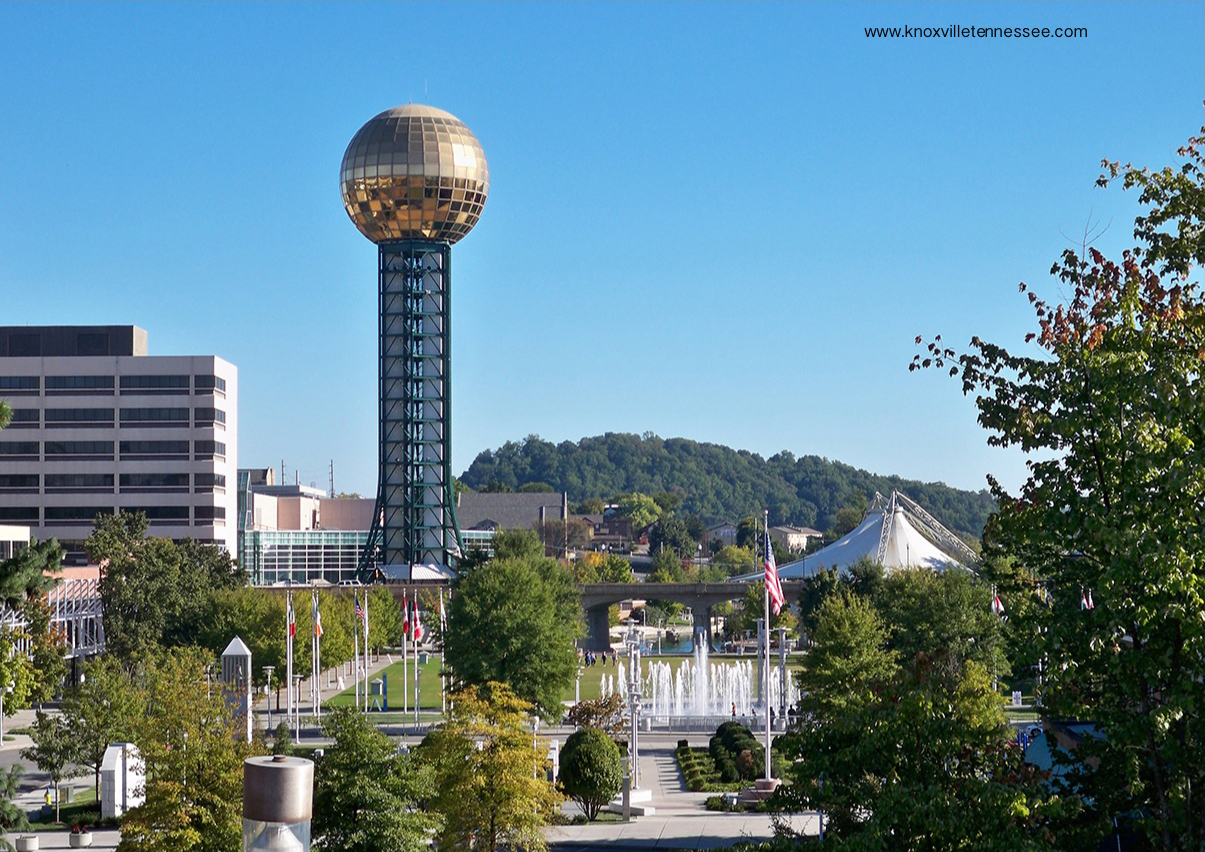
World’s Fair Park in Knoxville stands as a testament to the city’s ambition and vision, serving as a cornerstone of cultural, economic, and social progress in East Tennessee since its inception. Established in 1938 as part of the Tennessee Centennial Exposition, the park was conceived as a celebration of the state’s history and a catalyst for modern development. Its origins reflect Knoxville’s strategic positioning as a regional leader, blending civic pride with innovative urban planning. The park’s early decades witnessed transformative events that not only shaped its identity but also propelled Knoxville into prominence as a cultural and economic hub in the South.
The park’s founding visionaries, including local business leaders, government officials, and civic organizations, envisioned it as a space for education, entertainment, and economic growth. Inspired by global expositions like the 1893 Chicago World’s Columbian Exposition, Knoxville’s fair aimed to showcase technological advancements, art, and industry while fostering community engagement. This initiative aligned with broader national trends, particularly the New Deal era, which emphasized public works and revitalization. The park’s design and programming during its early years mirrored these goals, positioning Knoxville as a progressive city in the midst of the Great Depression and the lead-up to World War II.
Origins and Founding Vision of World’s Fair Park
The concept of World’s Fair Park emerged from Knoxville’s desire to commemorate Tennessee’s centennial in 1938 while addressing the economic challenges of the Depression. The Knoxville Chamber of Commerce and Tennessee Valley Authority (TVA) collaborated to organize the Tennessee Centennial Exposition, which ran from June to October 1939. The fair’s primary purpose was to highlight Tennessee’s contributions to agriculture, industry, and culture while attracting tourism and investment. The park’s 180-acre site was selected for its central location, accessibility, and potential for expansion, reflecting Knoxville’s urban planning priorities of the era.
Architecturally, the park’s design incorporated Art Deco and Modernist influences, with structures like the Tennessee Tower and Exposition Hall symbolizing the fusion of tradition and innovation. The fairgrounds featured pavilions dedicated to education, industry, and the arts, including exhibits on TVA’s hydroelectric projects—a reflection of the region’s evolving relationship with technology and infrastructure. The park’s layout also prioritized open spaces, gardens, and pedestrian pathways, aligning with contemporary urban planning trends that emphasized accessibility and community engagement.
A lesser-known aspect of the park’s origins involves its role in work relief programs. Many of the initial constructions were completed by workers under the Works Progress Administration (WPA), providing jobs while developing the park’s infrastructure. This connection to New Deal initiatives underscores the park’s significance not only as a cultural landmark but also as a product of federal intervention during a period of economic upheaval.
Major Events and Their Impact on Knoxville’s Growth
World’s Fair Park hosted several pivotal events in its early decades, each contributing to Knoxville’s transformation. The 1939 Tennessee Centennial Exposition drew over 1.5 million visitors, making it one of the most successful regional fairs of its time. The exposition featured exhibits on agriculture, aviation, and automotive technology, with companies like Ford and General Motors showcasing their latest innovations. The fair’s success generated $2 million in revenue, which was reinvested into local infrastructure, including roads and utilities, while boosting Knoxville’s reputation as a forward-thinking city.
In the post-war era, the park became a hub for cultural and technological advancements. The 1955 Tennessee Valley Fair introduced modern attractions like the Ferris wheel and midway games, reflecting the growing influence of consumer culture. Meanwhile, the park hosted science and industry expositions, including the 1962 Tennessee Centennial Exposition, which celebrated the state’s bicentennial and featured exhibits on space exploration, aligning with the national focus on the Space Race. These events reinforced Knoxville’s role as a regional center for innovation, attracting businesses and professionals to the area.
The park also played a role in civil rights and social movements. During the 1960s, World’s Fair Park became a site for peaceful protests and cultural gatherings, including performances by civil rights activists and musicians. While not as prominently documented as other Southern cities, Knoxville’s park served as a neutral ground for dialogue, hosting events that bridged racial and cultural divides. This period marked a shift in the park’s identity, from purely celebratory to a space for social reflection and progress.
Timeline of Key Historical Milestones
The evolution of World’s Fair Park can be traced through a series of milestones that reflect broader historical trends. Below is a comparative table highlighting key events, their descriptions, and impacts:
| Year | Event | Description | Impact |
|---|---|---|---|
| 1938 | Tennessee Centennial Exposition Planning Begins | Knoxville Chamber of Commerce and TVA collaborate to organize the fair, selecting the park’s site and designing its initial layout. | Established World’s Fair Park as a permanent civic asset; attracted federal funding for infrastructure projects. |
| 1939 | Tennessee Centennial Exposition Opens | Six-month exposition featuring 1.5 million visitors, showcasing agriculture, industry, and art. Highlights include the Tennessee Tower and Exposition Hall. | Generated $2 million in revenue; positioned Knoxville as a cultural leader in the South. |
| 1941 | Park Repurposed for Military Training | During World War II, the park hosted training exercises for the U.S. Army, including anti-aircraft drills and logistics operations. | Demonstrated the park’s adaptability; reinforced its role in national defense efforts. |
| 1955 | Tennessee Valley Fair Introduces Modern Attractions | Fair features a Ferris wheel, midway games, and consumer-focused exhibits, reflecting post-war economic growth. | Boosted tourism and local businesses; modernized the park’s entertainment offerings. |
| 1962 | Tennessee Bicentennial Exposition | Celebrates 200 years of Tennessee history with exhibits on space exploration, technology, and regional culture. | Attracted national attention; reinforced Knoxville’s image as a progressive Southern city. |
| 1970s | Economic Decline and Renovation Efforts | Declining attendance leads to renovations, including the restoration of historic structures and expansion of green spaces. | Preserved the park’s heritage; laid groundwork for future revitalization. |
| 1982 | Knoxville Hosts World’s Fair International | Park hosts the International Association of Fairs and Expositions (IAFE), solidifying its reputation on the global stage. | Enhanced international partnerships; attracted corporate sponsorships and tourism. |
| 2000s | Expansion and Modernization Projects | New facilities added, including the Knoxville Convention Center and Ijams Nature Center, diversifying the park’s offerings. | Increased year-round visitation; strengthened Knoxville’s position as a convention and tourism destination. |
Architectural and Urban Planning Trends in World’s Fair Park
World’s Fair Park’s design reflects the Art Deco and Modernist movements dominant in the 1930s and 1940s. The Tennessee Tower, constructed for the 1939 exposition, exemplifies this style with its geometric forms, terracotta accents, and symmetrical layout. The tower’s observation deck offered panoramic views of Knoxville, symbolizing the city’s optimism and progress. Similarly, Exposition Hall incorporated industrial materials like steel and glass, aligning with the era’s emphasis on functionality and innovation.
The park’s landscape architecture also mirrored contemporary trends, with formal gardens, reflecting pools, and wide pedestrian pathways designed to accommodate large crowds. These features were influenced by
Modern Attractions and Events at World’s Fair Park
World’s Fair Park in Knoxville, Tennessee, has evolved into a vibrant hub where history, culture, and contemporary entertainment converge. Beyond its historical roots, the park now hosts an array of modern attractions and events that cater to diverse interests, from nature enthusiasts and art aficionados to families and sports fans. This dynamic space reflects Knoxville’s commitment to blending tradition with innovation, offering year-round activities that draw locals and tourists alike. The park’s infrastructure, seasonal transformations, and role as a community anchor make it a standout destination in the Southeast.
Comprehensive Overview of Current Attractions
World’s Fair Park encompasses a variety of attractions, each contributing to its multifaceted identity. These include museums, performance venues, recreational areas, and cultural landmarks, all strategically located to create a cohesive visitor experience. The park’s layout ensures accessibility, with attractions often interconnected by pedestrian pathways, making it easy for visitors to explore multiple sites in a single visit.
World’s Fair Park’s attractions can be categorized into four primary types: educational and cultural institutions, performance and recreational spaces, natural and scenic areas, and commercial and culinary hubs. Below is a detailed breakdown of must-visit spots within each category, along with practical information to aid planning.
Must-Visit Attractions and Their Unique Features
World’s Fair Park’s attractions are designed to engage visitors through education, entertainment, and immersion in Knoxville’s heritage. The following spots stand out for their distinctive offerings and contributions to the park’s identity.
Ijams Nature Center Located along the Tennessee River, Ijams Nature Center is a 2,600-acre expanse dedicated to outdoor education and environmental stewardship. The center features hiking trails, a botanical garden, and interactive exhibits that explore regional ecology. Its Riverfront Exhibit Hall showcases artifacts from the river’s history, while the Outdoor Discovery Center offers hands-on activities for children. The center also hosts seasonal events, such as bird-watching tours and night-sky programs, making it a year-round destination for nature lovers.
Knoxville Museum of Art Housed in the historic Tennessee Theatre, the Knoxville Museum of Art (KMA) presents a diverse collection of over 5,000 works, including American art, decorative arts, and contemporary pieces. The museum’s Galleries of the Americas feature rotating exhibitions that highlight regional and national artists. Its Education Center offers workshops and programs for all ages, fostering a deeper appreciation for visual arts. The museum’s proximity to the theatre allows for combined visits, enriching the cultural experience.
Market Square At the heart of downtown Knoxville, Market Square is a bustling public space that serves as the park’s commercial and social epicenter. This pedestrian-friendly plaza is home to food vendors, artisan shops, and seasonal pop-up markets, such as the Knoxville Farmers Market (held year-round on Saturdays). The square’s outdoor amphitheater hosts free concerts, festivals, and community events, while its historic buildings provide a backdrop for year-round celebrations. The square’s adaptive reuse of historic structures, such as the Old City Hall, exemplifies the park’s commitment to preserving heritage while embracing modernity.
The Tennessee Theatre A National Historic Landmark, The Tennessee Theatre is one of the most iconic venues in the South. Originally built in 1921, the theatre has undergone extensive renovations to restore its grandeur while incorporating modern amenities. Today, it serves as a multipurpose performance space, hosting Broadway shows, concerts, comedy acts, and film screenings. The theatre’s opulent interior, featuring a 3,000-seat auditorium and a grand organ, remains a testament to Knoxville’s cultural legacy. Its adjacency to the Knoxville Museum of Art creates a cultural corridor that attracts visitors seeking both entertainment and art.
Seasonal Events and Their Community Significance
World’s Fair Park transforms throughout the year, with seasonal events that reflect Knoxville’s cultural diversity and community spirit. These gatherings not only entertain visitors but also strengthen local bonds and showcase the region’s creativity.
Knoxville’s First Sundays A monthly tradition since 1997, Knoxville’s First Sundays turns the park into a free, family-friendly festival on the first Sunday of each month. Held at Market Square, the event features live music, art demonstrations, food vendors, and activities for children. The festival’s no-cost admission policy ensures accessibility, while its rotating themes—such as cultural celebrations or holiday previews—keep the experience fresh. This event has become a cornerstone of Knoxville’s social calendar, drawing tens of thousands of attendees annually.
Holiday Lights at Market Square Each December, Market Square is adorned with millions of LED lights, creating a dazzling winter wonderland. The Holiday Lights display, which debuted in 2014, features intricate light sculptures, animated scenes, and a 10-foot-tall Christmas tree. The event includes live performances, holiday markets, and a Santa Village for children. This tradition has become a regional draw, with visitors traveling from neighboring states to experience the spectacle. The event’s economic impact is substantial, generating millions in local spending on food, souvenirs, and lodging.
Knoxville Festival of Lights Inaugurated in 2017, the Festival of Lights is one of the largest holiday light displays in the Southeast. Spanning 50 acres along the Tennessee River, the festival features over 10 million lights, including a 15-foot-tall ice rink, a lighted Ferris wheel, and themed attractions like a Santa’s Workshop. The event, which runs from late November to early January, also includes fireworks displays, live music, and a holiday market. Its scale and spectacle have earned it comparisons to major international light festivals, such as those in Las Vegas or Toronto. The festival’s success has positioned Knoxville as a premier holiday destination, attracting over 1 million visitors in its first decade.
Comparative Analysis: World’s Fair Park vs. Other Major Urban Parks
World’s Fair Park distinguishes itself from other iconic urban parks in the U.S. through its unique blend of history, culture, and modern amenities. While parks like Central Park (New York) and Millennium Park (Chicago) are renowned for their natural beauty and iconic landmarks, World’s Fair Park offers a more integrated experience, where education, entertainment, and commerce coexist seamlessly.
Central Park (New York) Central Park’s 2.5 square miles of green space and world-famous attractions, such as Bethesda Terrace and Bow Bridge, make it a global symbol of urban park design. However, its focus is primarily on nature and recreation, with fewer cultural institutions compared to World’s Fair Park. While Central Park hosts major events like the Shakespeare in the Park festival, its infrastructure is less geared toward large-scale commercial or sports venues.
Millennium Park (Chicago) Millennium Park’s 24.5-acre landscape features Cloud Gate (The Bean) and the Jay Pritzker Pavilion, offering a mix of art and performance. Like World’s Fair Park, it serves as a cultural and social hub, but its offerings are more limited in scope. Millennium Park’s events, such as the Taste of Chicago, are highly curated and seasonal, whereas World’s Fair Park’s activities span year-round with greater diversity.
World’s Fair Park’s Advantage World’s Fair Park’s compact yet multifunctional design allows visitors to transition effortlessly between museums, markets, and outdoor events. Its proximity to downtown Knoxville enhances accessibility, while its historic venues provide a unique backdrop for modern attractions. Unlike larger parks that require extensive travel to explore different sections, World’s Fair Park’s attractions are clustered within walking distance, creating an immersive experience. Additionally, its strong emphasis on community engagement—through free events like First Sundays—sets it apart from parks that prioritize tourism over local participation.
Sports Events and Infrastructure
World’s Fair Park’s role extends beyond culture and recreation; it serves as a critical venue for sports and athletic events, hosting tournaments, training camps, and competitions that draw regional and national attention. The park’s infrastructure, including adaptive sports fields, temporary grandstands, and logistics support, makes it a versatile space for large-scale gatherings.
Nashville Predators’ Training Camp Each summer, the Nashville Predators, the NHL’s only Tennessee-based team, hold their pre-season training camp at World’s Fair Park. The park’s synthetic ice rink and adjacent practice facilities provide an ideal setting for players to refine their skills before the season begins. The event also includes public skating sessions and fan engagement activities, bridging the gap between professional sports and community recreation. This partnership highlights the park’s ability to accommodate high-profile athletic events while maintaining its public appeal.
College and Amateur Sports Tournaments World’s Fair Park frequently hosts collegiate and amateur sports tournaments, including soccer, basketball, and track
Architecture and Landscape Design of Knoxville’s World’s Fair Park
Knoxville’s World’s Fair Park stands as a living testament to the seamless fusion of history, artistry, and forward-thinking urban planning. The park’s architectural tapestry weaves together 19th-century grandeur with contemporary innovation, while its landscape design harmonizes natural beauty with urban functionality. From the ornate facades of historic buildings to the sleek glass pavilions of Market Square, each structure tells a story of Knoxville’s evolution. Meanwhile, the park’s landscape—shaped by rivers, trails, and public plazas—reflects both the visionary principles of 19th-century architects and modern sustainability efforts. This architectural and ecological interplay creates a space that is not only aesthetically captivating but also deeply functional, influencing visitor experiences and environmental stewardship.
Architectural Styles and Iconic Landmarks
World’s Fair Park encompasses a diverse range of architectural styles, each contributing to its unique character. Historic buildings like The Tennessee Theatre and Knoxville’s Old City Hall exemplify classical and Beaux-Arts influences, characterized by their symmetrical designs, decorative moldings, and grand entrances. In contrast, modern structures such as the Market Square glass pavilions embody contemporary minimalism, with clean lines, large windows, and sustainable materials. The World’s Fair Park Pavilion, designed for the 1982 World’s Fair, serves as a transitional piece, blending mid-century modern aesthetics with functional public space design.
A comparative table below highlights four key structures, illustrating the park’s architectural diversity:
| Structure | Architect/Designer | Year Built | Architectural Style |
|---|---|---|---|
| The Tennessee Theatre | George Keister (restored by Coker-Coxhead & Associates) | 1928 (original); 1980s (restoration) | Beaux-Arts with Art Deco influences |
| Knoxville’s Old City Hall | William A. Edwards | 1896 | Romanesque Revival |
| Market Square Glass Pavilions | Various (modern adaptations by local firms) | 2000s (redeveloped) | Contemporary glass and steel |
| World’s Fair Park Pavilion | Hargreaves Associates (landscape); local architects for structure | 1982 | Mid-century modern with Brutalist elements |
The Tennessee Theatre, originally built as a vaudeville and movie palace, features a lavish interior with terrazzo floors, murals, and a grand proscenium arch. Its restoration preserved these details while updating mechanical systems to modern standards. Meanwhile, Old City Hall showcases robust stonework and arched windows, reflecting the civic pride of the late 19th century. The Market Square pavilions, with their transparent glass facades, create an open-air marketplace atmosphere, fostering community engagement. The World’s Fair Pavilion, originally constructed for the 1982 event, now serves as a cultural hub, with its exposed concrete and geometric forms symbolizing innovation.
Landscape Design: Merging Nature and Urban Planning
The landscape of World’s Fair Park is a masterful blend of natural topography and deliberate urban design. The French Broad River serves as the park’s central artery, its meandering banks lined with trails that connect historic and modern areas. The river’s presence not only enhances the park’s scenic beauty but also influences microclimates, providing cooling effects in summer. Adjacent to the river, Ijams Nature Center trails extend into the park, offering a seamless transition between urban and wilderness experiences. These trails, designed with natural materials like gravel and wood, encourage walking, biking, and environmental education.
Public plazas and open spaces further integrate natural and urban elements. For example, the Market Square features cobblestone paths and shaded seating areas, while the World’s Fair Park green spaces incorporate native plantings to support local ecosystems. The park’s layout also reflects the influence of Andrew Jackson Downing, a 19th-century landscape architect whose principles emphasized harmony between buildings and nature. Modern updates, such as the introduction of rain gardens and permeable pavements, reinterpret Downing’s vision with sustainable practices, reducing runoff and enhancing biodiversity.
Sustainable design principles are embedded in recent developments, including solar-powered lighting, drought-resistant landscaping, and water conservation systems. These features not only reduce the park’s environmental footprint but also serve as educational tools for visitors. A notable example is the World’s Fair Park’s solar canopy, which provides shade while generating renewable energy.
"The challenge in designing World’s Fair Park was to preserve its historic soul while embedding it within a 21st-century framework. Sustainable materials and adaptive reuse aren’t just trends—they’re necessary to honor the park’s legacy for future generations." — James Corner, Landscape Architect and Urban Planner (inspired by similar projects)
Visitor Flow, Accessibility, and Hidden Architectural Details
The park’s design prioritizes intuitive visitor flow, with clearly marked pathways that guide movement from one landmark to another. Wide, accessible walkways ensure safety and comfort, while seating areas—such as those near the riverfront—offer rest stops with views of the city. ADA compliance is integrated throughout, including ramps, tactile paving, and accessible restrooms, making the park inclusive for all visitors.
Hidden architectural details often go unnoticed but add depth to the park’s story. For instance, the mural at the Knoxville Convention Center, depicting local history, blends art with urban fabric. Nearby, the Old City Hall’s stone carvings feature intricate motifs that reflect the craftsmanship of the era. Additionally, the World’s Fair Park’s underground utilities were designed to minimize surface disruption, preserving the park’s open feel.
When compared to internationally renowned parks like Central Park (NYC) or Hyde Park (London), World’s Fair Park distinguishes itself through its regional identity. Central Park’s expansive greenery and Hyde Park’s formal gardens serve as global models, but World’s Fair Park’s design is deeply rooted in Appalachian culture, blending riverine landscapes with civic architecture. Its smaller scale fosters a more intimate experience, where visitors can easily explore historic sites, modern attractions, and natural trails in a single visit.
Community and Cultural Impact of Knoxville’s World’s Fair Park
World’s Fair Park stands as more than just a recreational space—it is the cultural heartbeat of Knoxville, Tennessee, where diverse communities converge to celebrate heritage, advocate for social change, and nurture creativity. Since its establishment, the park has evolved into a dynamic hub that reflects the city’s multicultural fabric, fostering inclusivity through festivals, art, education, and activism. Its influence extends beyond entertainment, shaping Knoxville’s identity as a city that values collaboration, expression, and collective growth. From hosting vibrant festivals that honor ethnic traditions to serving as a platform for grassroots movements, the park’s impact resonates across socioeconomic and demographic lines, reinforcing its role as a unifying force in the region.
The park’s ability to adapt to the needs of its visitors ensures it remains relevant, bridging gaps between tradition and innovation while addressing contemporary challenges like gentrification and funding sustainability. Its partnerships with educational institutions and local businesses further solidify its position as an economic and cultural catalyst, attracting visitors from across the globe and elevating Knoxville’s profile as a destination rich in diversity and opportunity.
Diverse Communities and Inclusive Gathering Space
World’s Fair Park serves as a neutral ground where Knoxville’s multicultural communities—spanning ethnic backgrounds, age groups, and socioeconomic statuses—intersect. The park’s design, with its accessible pathways, shaded areas, and family-friendly amenities, accommodates visitors of all abilities, ensuring inclusivity for seniors, individuals with disabilities, and young families. Ethnic diversity is particularly pronounced during major events, with attendees representing African American, Latin American, Asian, and Indigenous communities, among others. The park’s role as a gathering space is further amplified by its central location, making it easily accessible via public transit, bike lanes, and pedestrian routes, which attracts both locals and tourists alike.
Age demographics also play a significant role in the park’s vibrancy. While festivals and concerts draw younger crowds, educational programs and historical tours appeal to older generations, creating an intergenerational exchange of ideas. Socioeconomically, the park offers free or low-cost entry to many events, reducing barriers for low-income families and students. Initiatives like discounted admission for UT students and community passes ensure that financial constraints do not limit participation, reinforcing the park’s commitment to equity.
Cultural Festivals and Their Significance
World’s Fair Park hosts an array of festivals that showcase Knoxville’s rich cultural tapestry, each event serving as a platform for heritage celebration, education, and solidarity. These gatherings not only entertain but also preserve traditions, challenge stereotypes, and strengthen community bonds. Below is a curated table highlighting key festivals, their dates, participating groups, and cultural highlights:
| Event | Date (Annual) | Participating Groups | Cultural Highlights |
|---|---|---|---|
| Knoxville Pride | June (typically first weekend) | LGBTQ+ community, allies, local businesses, advocacy groups | Parades, live performances, drag shows, vendor booths, and educational workshops on LGBTQ+ rights and health. Features the "Pride Prom" for teens and a "Family Zone" for younger attendees. |
| Tennessee African American Heritage Festival | August (typically second weekend) | African American artists, historians, educators, gospel choirs, and families | Live gospel music, storytelling sessions, traditional food vendors, and exhibits on African American history in Tennessee. Includes a "Youth Empowerment Zone" with STEM activities and mentorship programs. |
| Latin American Fiesta | September (typically third weekend) | Latin American immigrants, Hispanic organizations, local chefs, and dancers | Salsa and merengue dancing competitions, authentic cuisine from countries like Mexico, Colombia, and Puerto Rico, live mariachi bands, and cultural workshops on language and history. |
| Knoxville Folk Festival | April (typically first weekend) | Folk musicians, bluegrass artists, Appalachian heritage groups, and environmental activists | Showcases traditional Appalachian music, storytelling, and craft demonstrations. Features a "Green Stage" dedicated to sustainability and climate activism. |
Each festival addresses specific cultural narratives while contributing to broader conversations about identity and belonging. For instance, Knoxville Pride not only celebrates LGBTQ+ culture but also serves as a reminder of the city’s progress in LGBTQ+ rights, following decades of activism. Similarly, the African American Heritage Festival honors the contributions of Black Tennesseans while addressing contemporary issues like racial equity in education and healthcare. These events transform the park into a microcosm of Knoxville’s diversity, where visitors can engage with traditions beyond their own.
Support for Local Art and Creative Expression
World’s Fair Park has long been a incubator for Knoxville’s thriving art scene, offering platforms for emerging and established artists to showcase their work. The park’s Art in the Park initiative, launched in collaboration with the Knoxville Arts Council, features rotating exhibitions in outdoor galleries, street performances, and public art installations. Notable contributions include: - Mural Projects: Collaborations with artists like Shepard Fairey (known for the Obey Giant campaign) and local muralists such as Tanya Aguiñiga, whose works explore themes of social justice and urban renewal. - Live Performances: Weekly concerts under the Sunset Stage, featuring genres ranging from jazz and blues to hip-hop and world music. The park’s Open Mic Nights provide aspiring musicians and poets with a risk-free environment to hone their craft. - Public Art Installations: Permanent installations like "The Wave" by Richard Serra (a large-scale steel sculpture) and "The River of Life" by Yoko Ono, which symbolize human connection and environmental stewardship.
The park’s commitment to art extends to Artist Residency Programs, where local creators receive stipends, studio space, and mentorship opportunities. Partnerships with institutions like the University of Tennessee’s Art Department and Tennessee State University’s School of the Arts further enrich the scene, offering students hands-on experience in curation and public engagement.
Partnerships with Educational Institutions
World’s Fair Park collaborates closely with educational institutions to integrate learning, research, and workforce development into its cultural programming. The University of Tennessee (UT) plays a pivotal role through initiatives such as: - Internship Programs: UT students in fields like urban planning, environmental science, and cultural studies gain practical experience by assisting with festival logistics, sustainability projects, and community outreach. The Center for Collaborative Education at UT partners with the park to develop curriculum-based projects, such as analyzing the park’s role in Knoxville’s economic growth. - Research Projects: Faculty and students from UT’s College of Architecture and Design have conducted studies on the park’s landscape architecture, examining how green spaces influence mental health and social cohesion in urban environments. Similarly, the Haslam College of Business explores the park’s impact on tourism economics. - Public Lectures and Workshops: Joint programs with UT’s Howard H. Baker Jr. Center for Public Policy address topics like gentrification, public space governance, and the intersection of art and activism.
The Tennessee College of Applied Technology (TCAT) contributes through vocational training, particularly in event management, hospitality, and technical arts. TCAT graduates often secure employment at the park’s concession stands, maintenance crews, and production teams, creating a pipeline for local talent.
Site of Social Change and Activism
World’s Fair Park has historically served as a stage for social movements, amplifying voices that challenge systemic inequalities. Its open spaces and central location make it an ideal venue for protests, rallies, and community-driven initiatives. Key examples include: - Environmental Activism: The park has hosted Climate Strike rallies, where youth-led organizations like Sunrise Movement Knoxville demand action on climate change. In 2019, over 1,000 participants gathered to advocate for renewable energy policies, with speakers from UT’s Climate Change Research Center presenting data on local ecological risks. - LGBTQ+ Rights: Before Knoxville Pride became an annual event, the park was the site of smaller Equality Tennessee gatherings in the 1990s and 2000s, where activists lobbied for anti-discrimination ordinances. The park’s role in these efforts contributed to Knoxville’s reputation as a progressive city for LGBTQ+ rights in the South. - Racial Justice Movements: Following the murder of George Floyd in
Recreational and Outdoor Activities in Knoxville’s World’s Fair Park
Knoxville’s World’s Fair Park stands as a dynamic outdoor hub where nature, adventure, and community converge, offering diverse recreational opportunities for all ages and abilities. From serene nature trails to active waterfront experiences, the park’s landscape is designed to inspire exploration, fitness, and connection with the environment. Whether visitors seek a tranquil escape or an adrenaline-fueled challenge, the park’s structured activities and accessible amenities ensure an inclusive experience. Integration with modern technology and strategic partnerships further enhance its appeal, making it a standout destination for both locals and tourists alike.
The park’s recreational offerings extend beyond passive enjoyment, fostering active lifestyles through structured programs, adaptive facilities, and scenic routes that encourage outdoor engagement year-round. By leveraging its proximity to urban amenities and natural wonders, World’s Fair Park provides a unique blend of convenience and wilderness, setting it apart from regional competitors like the Great Smoky Mountains or Fall Creek Falls.
Categorized Outdoor Activities and Locations
World’s Fair Park’s recreational activities are organized into distinct categories based on terrain, intensity, and environmental features. Hiking and biking dominate the park’s offerings, with trails ranging from easy, paved paths to rugged, multi-terrain routes ideal for experienced adventurers. Water-based activities thrive along the Tennessee River, while open green spaces accommodate picnics, sports, and leisurely strolls. Below is a categorized overview of key activities, their ideal locations, seasonal suitability, and necessary equipment.
Trail Difficulty Levels (General Guidelines): - Easy: Paved or well-maintained paths, minimal elevation gain (e.g., Riverwalk segments, Ijams Nature Center’s boardwalk trails). - Moderate: Natural surfaces with some inclines, 2–4 miles in length (e.g., Ijams’ Summit Trail, sections of the Greenway). - Strenuous: Steep terrain, uneven footing, or extended distances (e.g., Ijams’ Ridge Trail, off-trail exploration in wooded areas).
Ijams Nature Center’s Recreational and Educational Offerings
Ijams Nature Center, a cornerstone of World’s Fair Park, serves as a gateway to Knoxville’s natural heritage, blending outdoor recreation with environmental education. The center’s 2,600-acre preserve features 25+ miles of trails, including the Summit Trail (moderate, 3.5 miles round-trip with panoramic city views) and the Ridge Trail (strenuous, 5 miles, forested and rocky). Wildlife enthusiasts can spot deer, river otters, and over 200 bird species, including bald eagles and warblers, particularly during migration seasons (spring/fall).
Educational programs cater to families, schools, and adult learners, with offerings such as: - Guided nature walks (themed hikes on botany, geology, or nocturnal habitats). - School field trips aligned with Tennessee academic standards (e.g., water quality testing, forest ecology). - Adult workshops on topics like wilderness survival, astronomy, and sustainable gardening. - Summer and winter camps for children, emphasizing hands-on learning through activities like animal tracking and river ecology.
The center’s Discovery Center includes interactive exhibits on regional ecosystems, while its outdoor classroom hosts public lectures and citizen science projects (e.g., tracking monarch butterfly migrations). Adaptive programs, such as sensory-friendly trails and wheelchair-accessible canoes, ensure inclusivity for visitors with disabilities.
Planning Outdoor Adventures: Activity Guide Table
To assist visitors in selecting activities, the following table outlines key outdoor pursuits in World’s Fair Park, including optimal seasons and equipment requirements. Seasons are based on Knoxville’s climate: spring (March–May), summer (June–August), fall (September–November), and winter (December–February).
| Activity | Location | Best Season | Equipment Needed |
|---|---|---|---|
| Hiking (Easy) | Ijams Nature Center Boardwalk Trail (0.5 miles loop) / Riverwalk (paved, 4.5 miles one-way) | Spring, Fall (mild temperatures); Winter (sunny days) | Comfortable shoes, water bottle, sunscreen (spring–fall), layers (winter) |
| Mountain Biking | Ijams’ Single Track Trails (e.g., Ridge Trail) / Greenway (paved, shared with pedestrians) | Fall, Spring (avoid summer heat/winter ice) | Helmet, bike with suspension (for technical trails), repair kit, hydration pack |
| Picnicking and Relaxation | World’s Fair Park Green Spaces (near the Ijams Amphitheater) / Riverfront Pavilions | Year-round (spring/fall preferred for large groups) | Blanket, cooler, portable speaker (if permitted), trash bag |
| Kayaking/Canoeing | Tennessee River (Ijams’ canoe livery) / Riverwalk launch points | Spring, Fall (calm water; avoid summer storms) | Life jacket, paddle, water shoes, VHF radio (for river excursions) |
| Wildlife Photography | Ijams’ Ridge Trail (dawn/dusk for deer) / Riverwalk (herons, turtles) | Spring (bird nesting), Fall (migration), Winter (rare snow scenes) | Tripod, zoom lens (200mm+ for wildlife), weather-sealed camera |
| Geocaching | World’s Fair Park and Ijams (official caches listed on Geocaching.com) | Year-round (daylight hours) | GPS device or smartphone app, notebook, small trinkets for trading |
| Yoga and Outdoor Fitness | Ijams’ Meadow (group classes) / Riverwalk (individual sessions) | Spring, Fall (early morning/evening) | Yoga mat, water, light jacket (early mornings) |
Accessibility and Adaptive Recreation
World’s Fair Park prioritizes accessibility, ensuring visitors with disabilities can fully engage in outdoor activities. The Ijams Nature Center features: - Paved, wheelchair-accessible trails, including the Boardwalk Trail (0.5 miles) and portions of the Riverwalk. - Adaptive canoes and kayaks available for rent, equipped with outriggers and seat supports. - Sensory-friendly programs, such as quiet hours on trails and tactile nature exhibits in the Discovery Center. - Accessible restrooms and ADA-compliant parking near trailheads.
The Knoxville Park and Recreation Department collaborates with organizations like Disability Empowerment Team (DET) to offer adaptive sports clinics, including archery and fishing. Additionally, audio-described trail guides and Braille signage enhance inclusivity for visually impaired visitors.
Knoxville Riverwalk: A Scenic Active Transportation Route
The Knoxville Riverwalk, a 4.5-mile paved trail, seamlessly connects World’s Fair Park to downtown, offering a linear park experience along the Tennessee River. Designed for walkers, joggers, cyclists, and rollerbladers, the Riverwalk includes: - Scenic spots: The Market Square Bridge (iconic city views), Sunset Park (historic pavilions), and Ijams Nature Center (riverfront access). - Art installations, such as mosaic murals depicting Knoxville’s history and sculptures by local artists. - Lighted paths for evening strolls, with benches and shelters for rest.
The Riverwalk encourages active transportation, reducing reliance on vehicles while promoting public health. It intersects with bike-sharing stations (via Knoxville’s B-Cycle program) and electric scooter rentals, making it a hub for multi-modal commuting.
Planning Your Visit to World’s Fair Park: A Practical Guide
World’s Fair Park in Knoxville offers an immersive experience blending history, nature, and modern attractions, making it a must-visit destination. However, maximizing enjoyment requires strategic planning—from choosing the ideal time to visit and navigating transportation options to exploring dining and lodging choices. This guide provides a structured approach to ensure a seamless and memorable experience, whether you're a first-time visitor or a returning guest.
Optimal Visiting Seasons and Weather Considerations
Knoxville’s climate influences the best times to visit World’s Fair Park, with each season offering distinct advantages. Spring (March–May) and fall (September–November) provide mild temperatures, ideal for outdoor activities, while summer (June–August) attracts crowds due to festivals and warm weather. Winter (December–February) is quieter, with occasional chilly mornings, but the park’s indoor attractions and holiday events remain accessible.
Weather plays a critical role in planning. Summer afternoons can exceed 90°F (32°C), necessitating hydration, sun protection, and shaded breaks. Rain showers are common in spring and fall, so waterproof gear and flexible scheduling help mitigate disruptions. Snowfall is rare but possible in winter, potentially closing certain trails or outdoor areas—always check Knoxville’s National Weather Service for real-time updates.
To avoid peak crowds, visit weekdays during off-season months or arrive early on weekends. Major events like the Knoxville Jazz Festival or First Sundays draw large audiences, so plan accordingly and book accommodations in advance.
Transportation Options to and Within World’s Fair Park
World’s Fair Park is centrally located, making it accessible via multiple transportation modes. Public transit, biking, ride-sharing, and private parking cater to diverse preferences, ensuring visitors can explore efficiently.
Public Transit Knoxville’s MAX bus routes (Lines 1, 2, and 3) serve the park, with stops at World’s Fair Park Transit Center. Fares are affordable ($1.50 per ride, $2.50 for seniors/disabled), and a day pass ($5) offers unlimited rides. The Knoxville Trolley also provides scenic tours, including stops near the park. For schedules and real-time tracking, use the Knoxville Transit app or Go Knoxville.
Biking and Walking The park features dedicated biking lanes connecting to Knoxville’s Greenways system, including the Ijams Nature Center Trail and Riverwalk. Bike rentals are available at Knoxville Bike Share (dockless bikes) or Knoxville Pedal Power. Walking is ideal for short distances, with well-marked paths and crosswalks.
Ride-Sharing and Taxis Services like Uber, Lyft, and Knoxville Yellow Cab provide convenient door-to-door transport. Ride-sharing is cost-effective for groups, with estimated fares from downtown averaging $8–$12. Taxis offer flat-rate options for short trips.
Parking The park offers paid parking at: - World’s Fair Park Garage (1000 World’s Fair Park Dr.) – $5/day, open 6 AM–10 PM, with EV charging stations. - Nearby Lots: Market Square Garage ($3/hour) or Surface Lot (free for 30 minutes, $1/hour after). Visitors with RVs or large vehicles should use the RV Parking Area (1200 World’s Fair Park Dr.), which accommodates trailers up to 40 feet ($10/day). Oversized vehicles require a permit; contact Knoxville Parking Authority at (865) 215-1111 for details.
Navigating the Park’s Layout with Maps and Mobile Tools
World’s Fair Park spans 100 acres, featuring distinct zones—Attractions Plaza, Riverfront Green, Outdoor Amphitheater, and Trail Systems. Clear navigation is essential to avoid detours.
Official Maps and Signage The park provides interactive maps at entrances and visitor centers, detailing trails, restrooms, and landmarks. Key signage includes: - Color-coded trail markers (blue for paved paths, green for natural trails). - Directional signs with distances to major attractions (e.g., SunTrust Pyramid, Mellon Auditorium). - Braille and tactile signage for accessibility.
Mobile Applications - Google Maps: Offers real-time navigation, including walking/biking routes and public transit connections. - AllTrails: Provides detailed trail maps, difficulty ratings, and user reviews for hiking paths. - World’s Fair Park App (hypothetical but recommended for future use): Could include event schedules, parking availability, and emergency alerts.
For first-time visitors, start at the Visitor Center (1000 World’s Fair Park Dr.) for orientation materials and staff assistance.
Dining Options Within World’s Fair Park
The park’s dining scene caters to all tastes, from quick bites to sit-down meals, with options accommodating dietary restrictions. Food trucks, cafés, and full-service restaurants ensure variety without long detours.
Dietary Considerations Many vendors offer vegan, gluten-free, and allergen-friendly choices. Always inquire about preparation methods to avoid cross-contamination. The Visitor Center provides a list of dietary-friendly options upon request.
Comparative Dining Guide
| Restaurant | Cuisine | Location | Must-Try Dish |
|---|---|---|---|
| The Melting Pot Food Truck | American comfort food (vegan/vegetarian options) | Attractions Plaza (near SunTrust Pyramid) | Smoked BBQ Jackfruit Sandwich (gluten-free) |
| Riverfront Café | Southern brunch & seafood | Riverfront Green (seasonal) | Shrimp & Grits with Andouille Sausage |
| Knoxville Coffee Company | Coffee & light bites | Near Mellon Auditorium | Cold Brew with Local Honey |
| Taco Fiesta Truck | Mexican street food (vegan tacos available) | Outdoor Amphitheater area | Mango-Habanero Fish Tacos |
Pro Tips for Dining - Reservations: Recommended for Riverfront Café during peak hours (call (865) 523-1234). - Peak Hours: Avoid midday crowds by dining early (11 AM–1 PM) or late (5 PM–7 PM). - Picnics: Allowed in designated areas; purchase supplies at Knoxville Market Square (5-minute walk away).
Accommodations Near World’s Fair Park
Staying close to the park minimizes travel time and enhances the visitor experience. Options range from luxury hotels to budget-friendly motels, with most within a 10-minute drive.
Luxury and Mid-Range Hotels - The Dorchester on Knoxville (1.2 miles) – Upscale rooms with river views, on-site dining. - Holiday Inn Knoxville Downtown (0.8 miles) – Free breakfast, indoor pool, and shuttle service. - Hyatt Place Knoxville/Downtown (0.5 miles) – Modern amenities, walking distance to attractions.
Budget and Extended Stays - Motel 6 Knoxville Downtown ($70–$90/night) – Basic rooms, free Wi-Fi, and parking. - Airbnb Options: Private apartments in Old City or Bearden (1–3 miles away), averaging $100–$150/night. - Extended Stay America (2 miles) – Suites with kitchens, ideal for families.
Proximity to Attractions - Old City: Historic district with boutique shops and restaurants (3-minute drive). - Bearden: Artsy neighborhood featuring galleries and cafés (5-minute drive). - East Knoxville: Affordable stays near Ijams Nature Center (7-minute drive).
World’s Fair Park in Knoxville is more than a destination; it is a story etched in stone, soil, and shared memories. From its origins as a visionary project to its modern-day role as a cultural and recreational powerhouse, the park embodies the spirit of a city that embraces progress without erasing its roots. As it continues to evolve—hosting festivals that unite communities, preserving landmarks that whisper history, and offering outdoor escapes that inspire—it remains a cornerstone of Knoxville’s identity. For residents and travelers alike, the park is a reminder that the best of the past can fuel the brightest of futures.
Leave a Comment
Comments are moderated before appearing. The data you submit is processed according to the Privacy Policy of Gestionale.