Half Moon Bay State Beach A Hidden Coastal Paradise
Table of Contents
- Half Moon Bay State Beach: A Coastal Gem Overview
- Geographical and Ecological Distinctions of Half Moon Bay State Beach
- Historical Tapestry: From Indigenous Roots to Modern Conservation
- A Timeline of Half Moon Bay State Beach’s Evolution
- Activities and Adventures at Half Moon Bay State Beach
- Seasonal Activities Aligned with Half Moon Bay’s Natural Calendar
- Exploring Tide Pools: A Guide to Safe and Responsible Discovery
- Surfing at Half Moon Bay: Conditions, Skill Levels, and Nearby Comparisons
- Half-Day Coastal Hike: Blowhole Trail and Devil’s Slide Loop
- Wildlife and Conservation: Protecting Half Moon Bay’s Ecosystem
- Endangered and Protected Species and Their Conservation Needs
- Local Conservation Efforts and Community Involvement
- Human Impact on Half Moon Bay’s Ecosystem and Mitigation Strategies
- The Role of Tide Pools in Half Moon Bay’s Marine Ecosystem
- Migration Patterns: Half Moon Bay as a Critical Stopover
- Dining, Shopping, and Local Experiences Near Half Moon Bay State Beach
- Must-Try Local Restaurants Within 10 Miles of Half Moon Bay State Beach
- Beachside Cafes and Ice Cream Shops with Seasonal Offerings
- Top-Rated Eateries in Half Moon Bay: A Comparative Guide
- Farmers’ Markets and Local Producers in Half Moon Bay
- Practical Tips for Visiting Half Moon Bay State Beach
- Seasonal Packing List for Half Moon Bay State Beach
- Parking Options and Alternative Transportation
- Navigating Beach Facilities: Restrooms, Showers, and Accessible Paths
- Safety Protocols for Swimming, Surfing, and Cliff Exploration
- Rules and Regulations: Leash Laws, Fire Restrictions, and Protected Areas
- Optimal Times to Visit to Avoid Crowds
- Half Moon Bay State Beach in Pop Culture and Community Life
- Cinematic and Televised Landmarks: Half Moon Bay on Screen
- Literary and Musical Inspirations: Half Moon Bay in Artistic Expression
- Notable Events and Festivals: Celebrating Half Moon Bay’s Cultural Calendar
- Community Traditions and Gatherings: The Beach as a Cultural Hub
- Celebrity Visitors and Influencers: Half Moon Bay’s Allure Beyond the Screen
Stretching along California’s rugged Pacific coastline, Half Moon Bay State Beach emerges as a breathtaking fusion of raw natural beauty and untouched wilderness. Just 30 miles south of San Francisco, this crescent-shaped shoreline captivates visitors with its dramatic sandstone cliffs, tide-carved rock formations, and the rhythmic dance of tides against ancient marine layers. Unlike its more commercialized neighbors, this beach preserves a sense of untamed serenity, where the whispers of history—from Ohlone tribes to 19th-century shipwrecks—mingle with the cries of migrating whales and the rustle of wind through coastal grasses.
The beach’s allure lies in its dual identity: a sanctuary for wildlife and a playground for adventurers. Here, endangered California least terns nest along the shore while surfers ride waves that have challenged legends, and tide pools teem with life unseen in deeper waters. Yet beyond its ecological wonders, Half Moon Bay State Beach pulses with cultural significance, inspiring artists, filmmakers, and locals alike. From golden-hour photography spots to hidden trails where fog kisses the cliffs, every corner of this coastal gem tells a story waiting to be discovered. Whether you’re drawn by its ecological richness, thrilling outdoor activities, or the quiet magic of its landscapes, this beach stands as a testament to California’s wild, untamed soul.

Half Moon Bay State Beach: A Coastal Gem Overview
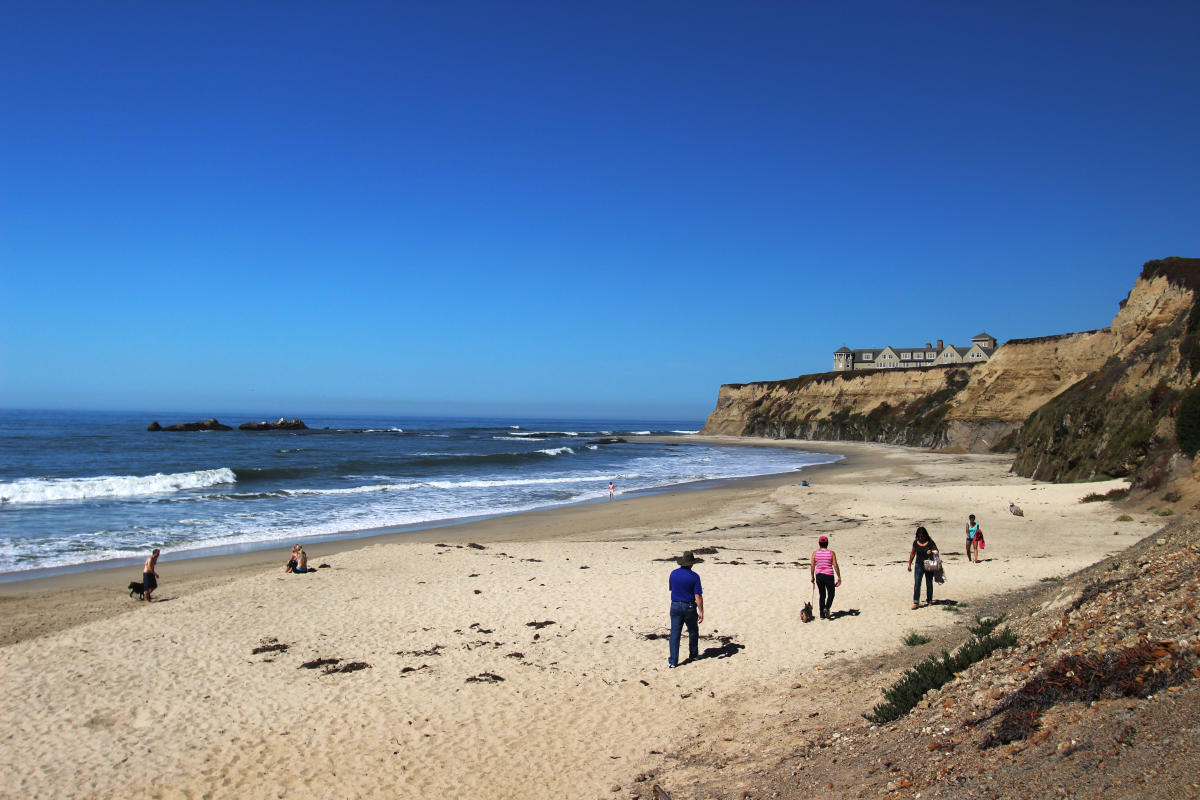
Nestled along the rugged Pacific coastline of Northern California, Half Moon Bay State Beach stands as a breathtaking testament to nature’s grandeur, where the dramatic interplay of wind, tide, and rock creates a landscape both fierce and serene. Located approximately 30 miles south of San Francisco and just 15 miles north of Santa Cruz, this crescent-shaped shoreline is a gateway to some of California’s most iconic landmarks, including the Pigeon Point Lighthouse—a historic maritime beacon perched atop towering cliffs—and the Mafia Beach trailhead, a gateway to coastal hiking adventures. The beach’s geographical isolation and dramatic topography, marked by sandstone cliffs, tide-sculpted rock formations, and expansive sandy coves, make it a haven for nature enthusiasts, photographers, and those seeking solitude amid coastal beauty.
The beach’s name originates from its distinctive half-moon shape, a geological marvel formed by centuries of erosion and sediment deposition. Unlike the flat, sandy stretches of Southern California, Half Moon Bay’s shoreline is a study in contrast—smooth, golden sand meets jagged basalt rocks, while the Pacific’s relentless waves carve intricate tide pools teeming with marine life. Its proximity to major urban centers belies its untouched, almost primordial character, offering a stark contrast to the bustling cities of Silicon Valley and San Francisco.

Geographical and Ecological Distinctions of Half Moon Bay State Beach
Half Moon Bay State Beach distinguishes itself from other California coastal destinations through a combination of geological uniqueness, ecological richness, and historical depth. Below is a comparative analysis highlighting its defining features against similar beaches in the region:
| Feature | Half Moon Bay State Beach | Similar Beaches in California | Unique Selling Points |
|---|---|---|---|
| Shoreline Shape | A pronounced crescent shape formed by natural erosion, creating a sheltered cove and dramatic rock outcrops. | Mostly straight or gently curving (e.g., Coronado Beach, Malibu Beach). | Offers a rare, symmetrical coastal aesthetic and protected areas for tide pooling. |
| Geological Formations | Sandstone cliffs, basalt sea stacks (e.g., "The Pinnacles"), and extensive tide pools with diverse marine ecosystems. | Limestone cliffs (e.g., Big Sur), sandy beaches (e.g., Huntington Beach), or volcanic rock (e.g., Pfeiffer Beach). | Unique tide-dependent landscapes and rare geological exposures, such as the Purisima Formation sandstone. |
| Ecological Habitat | Critical habitat for California least terns, migratory birds (e.g., snow geese), and marine species like the bat ray and garibaldi fish. | Diverse but often specialized (e.g., kelp forests in La Jolla, dunes in Monterey). | One of the few remaining undisturbed nesting sites for endangered California least terns and a key stopover for Pacific flyways. |
| Proximity to Landmarks | Adjacent to Pigeon Point Lighthouse, Mafia Beach, and the San Mateo Coast Trail, with easy access to coastal hikes and whale-watching routes. | Isolated (e.g., Point Reyes) or urban-adjacent (e.g., Santa Monica). | Combines accessibility with adventure, offering both relaxation and exploration in a single visit. |
The beach’s ecological significance extends beyond its visual appeal. It serves as a critical migratory stopover for thousands of birds annually, including the snow goose and Western sandpiper, while its tide pools host over 50 species of invertebrates, some of which are found nowhere else along the California coast. The California least tern, an endangered species, relies on Half Moon Bay’s undisturbed shoreline for nesting, making conservation efforts here pivotal to its survival.
Historical Tapestry: From Indigenous Roots to Modern Conservation
Long before European settlers arrived, the land now known as Half Moon Bay was home to the Ohlone people, who referred to the area as "Makúcham"—a name derived from the coastal sage scrub that once blanketed the region. Oral histories and archaeological evidence suggest the Ohlone utilized the beach for fishing, shellfish gathering, and seasonal ceremonies, with the Purisima Formation cliffs serving as natural lookouts for whale migrations. The first recorded European encounter occurred in 1775, when Spanish explorer Juan Francisco de la Bodega y Quadra mapped the coastline, noting the bay’s distinctive shape in his logs. However, it was Russian fur traders in the early 19th century who left more lasting marks, establishing temporary camps near the bay to harvest sea otter pelts—a practice that nearly decimated local marine populations.
The beach’s transformation into a public recreational space began in the 1920s, when the California State Parks system acquired the land to preserve its natural beauty. A pivotal moment in its history came in 1933, when the Civilian Conservation Corps (CCC) constructed the Pigeon Point Lighthouse’s access road, linking the beach to broader coastal trails. The mid-20th century saw increased visitation, but also environmental degradation from pollution and habitat disruption. In response, the 1970s and 1980s marked a turning point with the establishment of marine protected areas and the California Least Tern Recovery Plan, which designated Half Moon Bay as a priority conservation site.
A lesser-known but poignant chapter in the beach’s history involves shipwrecks, particularly the 1853 wreck of the Brooklyn, a steamship that struck the rocks near Pigeon Point during a storm. The disaster, one of the deadliest in California’s maritime history, claimed 126 lives and led to improvements in coastal navigation. Today, remnants of the wreck—including cannonballs and ship timbers—occasionally wash ashore, serving as haunting reminders of the sea’s power.
A Timeline of Half Moon Bay State Beach’s Evolution
The beach’s history unfolds like a geological and human narrative, marked by exploration, survival, and preservation. Below are key milestones that shaped its identity:
- Pre-1500s: Indigenous Stewardship The Ohlone people inhabit the region, relying on the bay’s resources for sustainable fishing and trade. Archaeological sites near the beach reveal mortar-and-pestle tools and shell middens, evidence of their coastal lifestyle.
- 1775: First European Contact Spanish explorer Juan Francisco de la Bodega y Quadra charts the coastline, documenting the bay’s unique shape in his journals. The name "Half Moon Bay" is later adopted by Russian fur traders in the early 1800s.
- 1853: The Brooklyn Shipwreck A steamship carrying 162 passengers and crew strikes Pigeon Point’s rocks during a storm, resulting in 126 fatalities. The disaster prompts the construction of the Pigeon Point Lighthouse (1872), now an iconic landmark.
- 1920s–1930s: State Acquisition and Infrastructure The California State Parks system purchases the land to protect its natural beauty. The Civilian Conservation Corps (CCC) builds access roads and trails, including the connection to Mafia Beach.
-
1970s: Environmental Awareness and Protection
The California Least Tern is listed as endangered, leading to habitat restoration efforts at Half Moon Bay. The Coastal Act of 1976 further safeguards the shoreline from
Activities and Adventures at Half Moon Bay State Beach
Half Moon Bay State Beach transforms with each season, offering a dynamic playground for adventure seekers, nature enthusiasts, and families alike. From the crashing waves of winter to the golden sunsets of summer, the beach’s diverse landscapes—spanning sandy shores, rugged cliffs, and hidden tide pools—provide a year-round canvas for exploration. Whether chasing marine life, riding the swells, or capturing breathtaking vistas, visitors can tailor their experience to the rhythm of the Pacific. Below, discover curated activities that align with seasonal rhythms, safety essentials for coastal adventures, and insider tips for uncovering the beach’s hidden gems.Seasonal Activities Aligned with Half Moon Bay’s Natural Calendar
The ever-changing conditions at Half Moon Bay State Beach create distinct opportunities throughout the year, each tied to the region’s marine and meteorological patterns. Understanding these seasonal shifts allows visitors to plan trips that maximize safety, accessibility, and unforgettable experiences."The Pacific Coast’s seasons are not just about temperature—they dictate the behavior of wildlife, the power of the ocean, and the clarity of the skies."
Winter (November–February): Storm Watching and Coastal Drama The winter months bring dramatic swells and fierce storms, turning Half Moon Bay into a spectator’s paradise for storm chasers. The best time to witness these forces is during king tides (typically December–February), when waves crash against the bluffs with thunderous force. Visitors should position themselves near the Blowhole Trail or the Devil’s Slide Trail for unobstructed views of the ocean’s raw power. Safety note: Stay at least 50 feet from the shore during high surf, and avoid the beach during storm warnings. Summer (June–August): Surfing and Beachcombing Summer transforms the beach into a haven for surfers, with consistent ground swells and warmer water temperatures. The outer break near the south jetty is ideal for intermediate surfers, while beginners can try the gentler waves near the Poplar Beach area. Beachcombing also peaks in summer, with tide pools revealing vibrant marine life and the shore littered with sea glass, abalone shells, and driftwood. Early mornings are best to avoid crowds and heat. Fall (September–November): Whale Migration and Golden Light The gray whale migration (peaking in December) draws visitors to Half Moon Bay, where pods of whales can often be spotted breaching near the shore. However, September–October offers the best whale-watching conditions with fewer crowds and clearer skies. The fall equinox also bathes the coastline in golden light, making it prime time for photography along the Shoreline Trail or from the Devil’s Slide viewpoint. Spring (March–May): Wildflower Blooms and Birdwatching Spring brings a burst of color as coastal wildflowers (such as lupines and poppies) carpet the bluffs, particularly in April. The season also marks the return of pelagic birds, including Brandt’s cormorants and western gulls, making it ideal for birdwatching. Tide pools are most accessible in spring due to moderate tides, revealing delicate sea creatures like sea anemones and hermit crabs.Exploring Tide Pools: A Guide to Safe and Responsible Discovery
Half Moon Bay’s intertidal zones are home to some of California’s most vibrant marine ecosystems, but exploring them requires caution to protect both visitors and wildlife. Tide pools are most accessible during low tide, which occurs roughly twice daily (check tide charts via NOAA’s tide predictions). The best times for exploration are morning low tides (6–9 AM) when temperatures are cooler and crowds are thinner. Essential Equipment for Tide Pooling - Sturdy, waterproof footwear (e.g., water shoes or hiking sandals) to protect feet from sharp rocks and slippery surfaces.
- A small bucket or mesh net for gently observing marine life without disturbing habitats.
- Sunscreen (reef-safe) and a wide-brimmed hat to prevent sun exposure.
- A field guide or smartphone app (e.g., iNaturalist or California Coastal Tide Pools) for identifying species.
- A towel or sitting pad to avoid contaminating pools with lotions or oils. Marine Life to Identify Half Moon Bay’s tide pools host a diverse array of species, including:
- Sea stars (e.g., ochre stars, bat stars) – Look for their distinctive arms and regenerative abilities.
- Anemones (e.g., giant green anemones) – Resemble flowers but are carnivorous, using stinging cells to catch prey.
- Crabs (e.g., shingle crabs, decorator crabs) – Decorator crabs attach algae and sponges to their shells for camouflage.
- Sea urchins (e.g., purple urchins) – Their spines can be sharp; observe from a distance.
- Abalone (protected species) – Do not touch; they are legally protected under California law.
- Stay on designated trails to avoid damaging sensitive habitats.
- Watch for slippery rocks—algae and moisture make surfaces treacherous.
- Avoid touching sponges or anemones, as some can cause skin irritation.
- Keep an eye on children—tide pools can be deceptively deep, and strong waves may suddenly rush in.
- Respect private property—some tide pools near the beach are on private land.
- Poplar Beach: A beginner-friendly beach break with gentle, rolling waves, ideal for longboarders and those learning to stand up.
- South Jetty Break: A reef break that offers more powerful waves, suitable for intermediate to advanced surfers. Swells of 8–12 feet are common, especially in winter.
- Outer Break (near Devil’s Slide): A powerful, high-performance break for experienced surfers, comparable to Mavericks but with less consistency. Comparison with Nearby Spots
- Rip currents are a major hazard at Half Moon Bay. If caught, swim parallel to the shore to escape the current’s pull.
- Leash discipline is critical near the south jetty, where rocks and reefs can cause injuries.
- Winter swells bring larger waves; only experienced surfers should attempt the outer break.
- Check surf reports (e.g., Magic Seaweed or Surfline) for real-time conditions, including wind direction and tide phases.
- Surf with a buddy—Half Moon Bay’s remote sections lack lifeguard coverage.
- Beach Cleanups: Coordinated by the Surfrider Foundation’s Half Moon Bay Chapter, these events remove an average of 12,000 pounds of debris annually, protecting marine life from entanglement and ingestion.
- Habitat Restoration: The California Coastal Commission partners with local groups to restore dune vegetation, which stabilizes shorelines and provides nesting habitat for birds like the snowy plover.
- Citizen Science Programs: Volunteers with Point Blue Conservation Science monitor bird and seal populations, contributing data to statewide conservation strategies.
- Invasive Species Control: The Half Moon Bay Coastal Cleanup Coalition targets invasive plants like iceplant (Carpobrotus edulis), which outcompetes native dune grasses, using manual removal and controlled burns. These efforts underscore the importance of community engagement in preserving Half Moon Bay’s biodiversity. Visitors can participate by volunteering, donating, or simply adhering to conservation guidelines during their visits.
- Observe without touching: Use a camera or binoculars to study marine life.
- Stay on designated paths: Avoid stepping into pools to prevent crushing organisms.
- Report damage: Notify park rangers if you encounter illegal activity (e.g., collecting live specimens).
- Shorebirds: Over 200,000 migratory birds, including sandpipers and godwits, refuel in Half Moon Bay’s tidal flats before continuing to Alaska or South America.
- Gray Whales: Thousands pass by in January–March, traveling from Mexico to Alaska, often visible from the beach or kayaks.
- Blue Whales: The largest animals on Earth feed on krill near Half Moon Bay during summer
- The Buttery Bread & Breakfast Location: 200 Main St, Half Moon Bay Specialties: Farm-to-table breakfast and lunch, artisanal bread, and seasonal seafood dishes like cioppino. Dietary Options: Vegetarian, vegan, gluten-free. Unique Features: Cozy ambiance with a focus on organic and locally grown ingredients; offers cooking classes.
- Sam’s Chowder House Location: 1200 Wharf Rd, Half Moon Bay Specialties: Famous clam chowder, fish and chips, and Dungeness crab dishes. Dietary Options: Gluten-free options available; seafood-focused menu. Unique Features: Historic waterfront location with live music on weekends; family-owned since 1984.
- Harvest Gourmet Café Location: 1000 El Camino Real, Half Moon Bay Specialties: Organic salads, grain bowls, and homemade soups with locally sourced produce. Dietary Options: Vegan, gluten-free, and paleo-friendly options. Unique Features: 100% organic café with a focus on sustainable practices; offers catering for events.
- Poppyrock Café Location: 1200 Wharf Rd, Half Moon Bay Specialties: Breakfast burritos, avocado toast, and fresh juices with a coastal twist. Dietary Options: Vegetarian, vegan, and dairy-free options. Unique Features: Casual waterfront setting with a focus on locally roasted coffee and organic ingredients.
- The Sea Grill Location: 1000 El Camino Real, Half Moon Bay Specialties: Fresh seafood platters, steak, and craft cocktails with ocean views. Dietary Options: Gluten-free and seafood-focused menu. Unique Features: Beachfront patio with sunset views; known for its happy hour specials.
- Dolce Gelato Location: 1200 Wharf Rd, Half Moon Bay Seasonal Offerings: Salted caramel gelato, local honey lavender, and seasonal fruit sorbets. Why Visit: Handmade gelato with organic ingredients; offers vegan and dairy-free options.
- Half Moon Bay Chowder House Location: 1200 Wharf Rd, Half Moon Bay Seasonal Offerings: Fresh clam chowder in winter, seafood paella in summer, and daily specials featuring local catch. Why Visit: Waterfront dining with a focus on sustainable seafood; perfect for a post-beach lunch.
- The Gelato House Location: 1000 El Camino Real, Half Moon Bay Seasonal Offerings: Strawberry basil gelato in summer, pumpkin spice in fall, and peppermint bark in winter. Why Visit: Small-batch gelato made with local dairy and seasonal fruits; gluten-free options available.
- Poppyrock Café (Beachfront Kiosk) Location: Half Moon Bay State Beach parking lot Seasonal Offerings: Freshly squeezed orange juice, avocado toast, and seasonal smoothies. Why Visit: Convenient beachside stop for a quick, healthy bite before or after swimming.
- Shuttles: The Half Moon Bay Transit District offers route #1 from downtown Half Moon Bay to the beach (fare: $2.50 one-way; check schedules via hmbtransit.com).
- Biking: Dedicated bike lanes connect downtown to the beach via San Pedro Road, with bike rentals available at Half Moon Bay Bicycle Shop ($35–$50/day). Helmets are mandatory for minors.
- Walking: The Coastal Trail (1.5 miles from downtown) provides a scenic, car-free route but requires moderate fitness.
- Rideshare: Services like Uber/Lyft operate in the area but may face surge pricing during events. Pro tip: Arrive before 9 AM on weekends to secure parking, or use the California State Parks app for real-time lot availability alerts.
- Lifeguards: Dial 911 or flag a guard (red/yellow flags indicate hazardous conditions).
- Coast Guard: 707-725-3600 (for vessel or water rescues).
- Park Rangers: 650-728-2727 (reporting violations or trail hazards).
- The Rock filming locations: The dramatic cliffs near the beach, particularly around the Pillar Point Harbor area, mirror the film’s intense scenes.
- Pigeon Point Lighthouse: A key location in The Rock, offering panoramic views and a glimpse into the film’s production history.
- Main Street, Half Moon Bay: The quaint, historic district served as a filming location for Pushing Daisies, where visitors can explore the same cobblestone streets and boutique shops.
- Attend a bonfire event: Check the Half Moon Bay Community Services District calendar for dates and themes.
- Join a beach cleanup: Contact Surfrider Foundation or local schools for group sign-ups.
- Try a yoga session: Enroll in classes offered by Yoga on the Beach or similar local studios.
"Never touch, step on, or remove marine life from tide pools. Even seemingly harmless actions can disrupt fragile ecosystems."Safety Tips
Surfing at Half Moon Bay: Conditions, Skill Levels, and Nearby Comparisons
Half Moon Bay State Beach offers a mix of surf breaks suited for all levels, though its reputation is often overshadowed by nearby Mavericks and Santa Cruz. Understanding the differences in wave quality, crowd levels, and safety considerations helps surfers choose the right spot for their skill set. Surf Conditions at Half Moon Bay State Beach The beach itself is not a surf break due to its sandy bottom and lack of consistent waves. However, nearby Poplar Beach (north of the state beach) and the south jetty break provide opportunities for surfers:| Feature | Half Moon Bay State Beach (Poplar/South Jetty) | Mavericks (Half Moon Bay) | Santa Cruz (Steamer Lane) |
|---|---|---|---|
| Skill Level | Beginner to Intermediate | Expert | Intermediate to Advanced |
| Wave Type | Beach/Reef | Reef (Big Wave) | Reef/Peak |
| Crowd Levels | Moderate (weekdays), High (weekends) | Low (closed to public) | Very High |
| Best Swell | 5–12 ft (year-round) | 20+ ft (winter) | 6–15 ft (year-round) |
| Safety Hazards | Rip currents, strong shore breaks | Shallow reef, strong currents | Crowds, rocks, shore breaks |
| Accessibility | Easy (public beach) | Restricted (permit) | Easy (but crowded) |
Half-Day Coastal Hike: Blowhole Trail and Devil’s Slide Loop
A half-day hike along Half Moon Bay’s coastal trails rewards explorers with stunning ocean views, geological wonders, and wildlife encounters. The Blowhole Trail and Devil’s Slide Trail combineWildlife and Conservation: Protecting Half Moon Bay’s Ecosystem
Half Moon Bay State Beach is not just a haven for sun-seekers and surfers but also a critical refuge for diverse wildlife, from endangered marine mammals to migratory birds. The beach’s pristine coastal habitats support species teetering on the edge of survival due to climate change, pollution, and habitat loss. Conservation efforts here are a blend of scientific research, community engagement, and policy advocacy, ensuring the long-term health of this fragile ecosystem. Understanding the delicate balance of life in Half Moon Bay—and how human actions can either disrupt or preserve it—is essential for sustaining its natural beauty for future generations. The beach’s ecosystems thrive due to their interconnectedness, where every species, from the smallest tide pool creature to the largest whale, plays a vital role. Yet, these habitats face growing threats from human activity, demanding proactive measures to mitigate damage. By exploring the endangered species that call Half Moon Bay home, the ongoing conservation initiatives, and practical ways visitors can contribute, this section highlights the urgency and impact of protecting this coastal gem.Endangered and Protected Species and Their Conservation Needs
Half Moon Bay State Beach hosts five notable endangered or protected species, each adapted to the region’s unique coastal environments. Recognizing their habitats, conservation status, and how visitors can help is crucial for their survival. 1. California Least Tern (Sternula antillarum browni) Habitat: Sandy beaches and dunes near Half Moon Bay, particularly during nesting season (April–August). Conservation Status: Federally endangered since 1970 due to habitat loss, predation, and human disturbance. Visitor Impact: Nesting terns are highly sensitive to foot traffic. Visitors should stay at least 50 feet away from nesting sites and avoid approaching marked areas. 2. Western Snowy Plover (Charadrius nivosus nivosus) Habitat: Open sandy beaches and tidal flats, often near dunes. Conservation Status: Federally threatened; populations have declined by over 70% in California since the 1980s. Visitor Impact: Designated plover nesting areas are fenced off during breeding season (March–September). Observe from a distance and never step on marked zones. 3. Northern Elephant Seal (Mirounga angustirostris) Habitat: Rocky outcrops and sandy beaches, particularly at Pillar Point Harbor and the southern end of Half Moon Bay. Conservation Status: Recovered from near-extinction (hunted to ~20 individuals in the 19th century) but remains protected under the Marine Mammal Protection Act. Visitor Impact: Maintain a 150-foot buffer from seals. Avoid touching, feeding, or approaching pups, as human interference can lead to abandonment. 4. California Sea Otter (Enhydra lutris nereis) Habitat: Kelp forests and rocky shores near the beach, often spotted near the mouth of Half Moon Bay. Conservation Status: Federally threatened; populations are slowly recovering but face risks from oil spills and predation. Visitor Impact: Sea otters are highly sensitive to disturbances. Do not approach within 50 yards and avoid touching or feeding them, as human food can be fatal. 5. Bat Rays (Myliobatis californica) Habitat: Sandy seabeds and tide pools along the shoreline. Conservation Status: Protected under California’s Marine Life Protection Act; populations are declining due to bycatch and habitat degradation. Visitor Impact: When encountered in tide pools, avoid handling or removing them from their natural environment. Report sightings to local marine agencies.Local Conservation Efforts and Community Involvement
Half Moon Bay’s ecosystem is safeguarded through a collaborative network of organizations, volunteers, and scientific research. Key initiatives include:Human Impact on Half Moon Bay’s Ecosystem and Mitigation Strategies
Human activities pose significant threats to Half Moon Bay’s delicate ecosystems, particularly through pollution, erosion, and invasive species. Below are three major challenges and actionable solutions to mitigate their effects:"Climate change is accelerating the degradation of coastal habitats at an alarming rate. In Half Moon Bay, rising sea levels are eroding critical dune systems, while warming waters disrupt the balance of marine food webs. Without immediate action, species like the California least tern may face local extinction within decades." — Dr. Lisa Levitan, Marine Biologist, University of California, Santa Cruz (Source: California Coastal News, 2022)Key Environmental Challenges and Responses
| Threat | Cause | Effect on Ecosystem | Conservation Response |
|---|---|---|---|
| Pollution (Plastics, Microbeads) | Littering, stormwater runoff, and illegal dumping | Ingestion by marine life (e.g., sea otters, birds), habitat smothering in tide pools | Monthly cleanups by Surfrider Foundation; bans on single-use plastics in nearby cities |
| Coastal Erosion | Rising sea levels, stronger storms, and human development | Loss of dune habitats for nesting birds; increased risk of flooding | Dune restoration projects by California Coastal Commission; controlled beach nourishment |
| Invasive Species (Iceplant, European Rabbit) | Accidental introduction; lack of natural predators | Displacement of native plants; overgrazing of dune grasses | Manual removal and biological control (e.g., rabbit fencing) by local conservation groups |
| Climate Change (Ocean Acidification) | Increased CO₂ absorption by seawater | Shell dissolution in invertebrates (e.g., abalone, crabs); disrupted marine food chains | Monitoring by NOAA; advocacy for renewable energy policies in California |
The Role of Tide Pools in Half Moon Bay’s Marine Ecosystem
Tide pools along Half Moon Bay’s shoreline serve as miniature marine worlds, teeming with life that plays a pivotal role in the broader coastal ecosystem. These rocky depressions, filled with seawater during high tide, act as nurseries for fish, crabs, and invertebrates, providing shelter and breeding grounds. Species like garibaldi (California’s state marine fish), bat rays, and purple sea stars rely on tide pools during their early life stages, ensuring the health of adult populations. However, tide pools are highly vulnerable to climate change and human disturbance. Rising temperatures increase evaporation rates, reducing oxygen levels and stressing delicate species. Additionally, visitors accidentally crushing organisms or removing them from pools disrupts the ecosystem’s balance. To preserve tide pools:Migration Patterns: Half Moon Bay as a Critical Stopover
Half Moon Bay lies along major migratory corridors for birds and marine mammals, making it a vital stopover for species traveling between breeding and feeding grounds. During spring and fall, the beach hosts:Dining, Shopping, and Local Experiences Near Half Moon Bay State Beach
Half Moon Bay State Beach is not just a haven for nature lovers but also a gateway to a vibrant culinary and cultural scene. The coastal town and its surrounding areas offer a blend of farm-fresh flavors, artisanal crafts, and scenic local experiences that complement the beach’s serene beauty. Whether craving a seafood feast, sipping locally brewed craft beer, or browsing handmade souvenirs, visitors can immerse themselves in the region’s rich offerings. From beachside cafes to boutique wineries, the area provides a perfect mix of relaxation and exploration for every type of traveler. The proximity of Half Moon Bay to local farms, vineyards, and artisanal producers ensures that every meal and purchase tells a story of the region’s commitment to quality and sustainability. Below, discover curated recommendations for dining, shopping, and unique local experiences that elevate a visit to Half Moon Bay State Beach into a memorable coastal adventure.Must-Try Local Restaurants Within 10 Miles of Half Moon Bay State Beach
Half Moon Bay’s dining scene reflects its coastal charm, with restaurants that prioritize fresh, locally sourced ingredients and breathtaking ocean views. Below are five standout eateries that showcase the region’s culinary excellence, from farm-to-table fine dining to casual seafood spots."The best part of sourcing ingredients in Half Moon Bay is working with farmers who grow produce just miles from our kitchen. Our heirloom tomatoes in summer or fresh Dungeness crab in winter—nothing beats the flavor of food that’s truly local." — Chef Michael Smith, Owner of The Buttery Bread & Breakfast
Beachside Cafes and Ice Cream Shops with Seasonal Offerings
No visit to Half Moon Bay State Beach is complete without indulging in its sweet and savory beachside treats. These cafes and ice cream parlors offer seasonal specialties that capture the essence of coastal living, from creamy artisanal gelato to hearty seafood chowder.Top-Rated Eateries in Half Moon Bay: A Comparative Guide
For travelers seeking a quick yet informative overview of Half Moon Bay’s best dining spots, the table below highlights top-rated restaurants, their signature dishes, and visitor reviews to help plan an unforgettable culinary experience.| Business Name | Location | Signature Dish/Item | Visitor Reviews Highlight |
|---|---|---|---|
| The Buttery Bread & Breakfast | 200 Main St, Half Moon Bay | Heirloom tomato and basil bruschetta with local goat cheese | "The freshest ingredients and coziest atmosphere—perfect for a leisurely breakfast before exploring the beach." — TripAdvisor, 4.8/5 |
| Sam’s Chowder House | 1200 Wharf Rd, Half Moon Bay | Clam chowder with oyster crackers | "A Half Moon Bay institution—creamy, flavorful, and worth the wait. The waterfront view is unbeatable." — Yelp, 4.7/5 |
| Harvest Gourmet Café | 1000 El Camino Real, Half Moon Bay | Quinoa and kale salad with local honey dressing | "100% organic and packed with flavor. The perfect spot for a healthy, fresh meal." — Google Reviews, 4.9/5 |
| The Sea Grill | 1000 El Camino Real, Half Moon Bay | Grilled Dungeness crab with garlic butter | "The best seafood in town! The sunset views from the patio make it even more special." — TripAdvisor, 4.6/5 |
Farmers’ Markets and Local Producers in Half Moon Bay
Half Moon Bay’s farmers’ markets serve as the heart of the community, connecting visitors with fresh, locally grown produce, artisanal goods, and handmade crafts. The Half Moon Bay Farmers Market, held weekly, is a must-visit for those eager to taste the region’s bounty and support local agriculture. The market features stalls from nearby farms such as Larkspur Farm, known for its organic vegetables and eggs, and Harvest Moon Farm, which supplies fresh herbs and microgreens. Visitors can also find artisanal cheeses from Cowgirl Creamery, honey from Half Moon Bay Honey Company, and baked goods from The Buttery Bread. Incorporating these local goodsPractical Tips for Visiting Half Moon Bay State Beach
Half Moon Bay State Beach offers an idyllic coastal escape, but maximizing the experience requires preparation—whether navigating parking logistics, packing for unpredictable weather, or understanding safety protocols. From seasonal wardrobe essentials to real-time tide tracking, this guide ensures visitors leave with unforgettable memories while adhering to conservation efforts and local regulations. Whether you’re a first-time explorer or a seasoned beachgoer, these practical insights will streamline your visit and enhance safety, accessibility, and enjoyment.Seasonal Packing List for Half Moon Bay State Beach
Half Moon Bay’s coastal climate shifts dramatically between seasons, demanding adaptable gear. Summer visitors should prioritize sun protection—wide-brimmed hats, reef-safe sunscreen (SPF 30+), and UV-blocking clothing—while layers remain critical year-round due to wind and fog. Winter packers should include thermal base layers, windbreakers, and waterproof footwear for rocky tide pools. For hiking the bluff trails, sturdy boots with ankle support and a lightweight rain shell are essential, as coastal winds can turn unpredictable. Tide pool explorers need waterproof gloves, a small net for observing marine life, and a field guide to local species like anemones or crabs. For all seasons, a reusable water bottle and high-energy snacks (nuts, jerky) combat dehydration, while a compact first-aid kit addresses minor cuts or blisters. A portable phone charger ensures connectivity for emergencies, and a waterproof bag secures valuables during beach activities. Nighttime visitors should bring a red-light headlamp to preserve nocturnal wildlife visibility, while campers require permits and gear compliant with California’s fire restrictions.Parking Options and Alternative Transportation
Parking at Half Moon Bay State Beach is limited and requires advance planning, especially during peak seasons (summer weekends, holidays). The primary lot, located at 1500 San Pedro Road South, charges $12 per vehicle for up to 4 hours (extended stays incur additional fees). Overflow parking is available at nearby Half Moon Bay Municipal Parking Lot (500 San Pedro Road South) for $5/day, but access requires a short walk (10–15 minutes) along San Pedro Road. Permit holders can use California State Parks’ annual pass for discounted rates. Alternative transportation options include:Navigating Beach Facilities: Restrooms, Showers, and Accessible Paths
Half Moon Bay State Beach provides essential amenities to enhance visitor comfort and accessibility. Below is a detailed table outlining key facilities, including locations, operational hours, and accessibility features:| Facility | Location | Hours | Accessibility Features |
|---|---|---|---|
| Restrooms | Near main parking lot (San Pedro Road entrance) | 6 AM – 10 PM (seasonal adjustments; closed during winter storms) | ADA-compliant stalls, baby-changing stations, and grab bars. Gender-neutral options available. |
| Showers | Adjacent to restrooms (saltwater rinse stations) | Same as restrooms; heated showers operational 7 AM – 8 PM (summer only) | Wheelchair-accessible shower with handheld sprayers. Lifeguard stations provide additional freshwater showers. |
| Accessible Picnic Areas | Near restrooms and lifeguard tower | 24/7 (first-come, first-served) | Paved pathways, benches with armrests, and shaded tables. Designated parking near entrance for visitors with disabilities. |
| Lifeguard Tower | Central beach area (near north jetty) | 10 AM – 6 PM (May–September); reduced hours off-season | Elevated viewing platform with ADA ramp. Emergency communication system linked to Coast Guard. |
| Trash and Recycling Stations | Spread along beach and near parking lots | 24/7 | Solar-powered compactors; recycling bins for glass, plastic, and metal. No single-use plastic bags allowed. |
Safety Protocols for Swimming, Surfing, and Cliff Exploration
Half Moon Bay’s dynamic coastline demands vigilance to mitigate risks. Rip currents—common near the north jetty—account for most rescues; swimmers should exit the water if caught in a strong current and swim parallel to shore. The U.S. Lifesaving Association recommends the "Swim Near a Lifeguard" rule, and Half Moon Bay’s guarded hours (10 AM–6 PM, May–September) correlate with lower incident rates. Surfers must heed local break warnings, as the Poppy Beach and Half Moon Bay breaks feature powerful undertows. Beginners should use the surf school launch area near the lifeguard tower, where instructors monitor conditions. Rock climbing on the bluffs is prohibited due to erosion risks, but the Coastal Trail offers safer alternatives for scenic views. Falling rocks are a documented hazard; climbers have been fined up to $1,000 for violations under California Public Resources Code § 4001. Emergency contacts include:Rules and Regulations: Leash Laws, Fire Restrictions, and Protected Areas
Half Moon Bay State Beach enforces strict regulations to preserve its ecosystem and ensure visitor safety. Dog owners must adhere to leash laws (6-foot maximum) and clean up after pets; violations incur $250 fines. Off-leash areas are restricted to designated zones near the Half Moon Bay Dog Park (1.5 miles south of the beach). Fire restrictions are enforced year-round due to dry coastal grasses. Open flames, fireworks, and grills are prohibited; only portable stoves (without open flames) are allowed in picnic areas. Violators face fines up to $500 and potential criminal charges during high-risk periods (summer/fall). Protected areas, such as the tide pools near the north jetty, require visitors to stay on marked paths to avoid crushing marine life. Touching or removing sea stars, anemones, or abalone is illegal under the Marine Life Protection Act (MLPA); penalties include $1,000+ fines and confiscation of equipment. Camping is permitted only in designated areas with a $20/night permit, and fires must be fully extinguished.Optimal Times to Visit to Avoid Crowds
Peak crowds flock to Half Moon Bay State Beach on weekend afternoons (11 AM–4 PM), holidays (July 4th, Labor Day), and summer Fridays. To avoid congestion, prioritize weekday mornings (6–9 AMHalf Moon Bay State Beach in Pop Culture and Community Life
Half Moon Bay State Beach transcends its natural beauty to become a vibrant canvas for storytelling, artistic expression, and communal celebration. From silver screens to literary pages, its rugged coastline and serene landscapes have inspired generations, embedding the beach into the cultural fabric of California. Beyond its cinematic and artistic legacy, Half Moon Bay serves as a living testament to community spirit, hosting events that unite locals and visitors alike. The beach’s influence extends to traditions, festivals, and even the creative retreats of artists and writers who find inspiration in its windswept shores and golden sunsets. The intersection of Half Moon Bay’s scenic allure and its role as a cultural hub creates a dynamic narrative that reflects both its historical significance and contemporary relevance. Whether through blockbuster films, literary works, or grassroots community initiatives, the beach stands as a symbol of creativity, resilience, and shared heritage.Cinematic and Televised Landmarks: Half Moon Bay on Screen
Half Moon Bay State Beach and its surrounding areas have served as a picturesque backdrop for numerous films, TV shows, and documentaries, often capturing the essence of coastal California. The beach’s dramatic cliffs, rolling waves, and misty mornings provide a versatile setting for storytelling, from romantic dramas to high-stakes thrillers. One of the most iconic appearances is in the 1997 film The Rock, directed by Michael Bay. The beach’s rugged coastline was used to depict scenes of tension and survival, with the nearby Pigeon Point Lighthouse also making a memorable appearance. Another notable mention is Point Break (1991), directed by Kathryn Bigelow, where the beach’s waves and surf culture were subtly referenced, though some scenes were filmed in Hawaii. For television enthusiasts, Pushing Daisies (2007–2009), created by Bryan Fuller, featured Half Moon Bay’s charming coastal towns, including scenes filmed at the beach and nearby Main Street. Documentaries have also highlighted the beach’s ecological and cultural importance. The Endless Summer (1966), though primarily focused on surf culture, indirectly celebrates the coastal spirit that Half Moon Bay embodies. More recently, Blue Planet II (2017) showcased the marine life thriving in the waters off Half Moon Bay, underscoring its role as a vital ecosystem. To experience these cinematic connections today, visitors can retrace the footsteps of filmmakers by visiting:Literary and Musical Inspirations: Half Moon Bay in Artistic Expression
Half Moon Bay’s evocative landscapes have long captivated writers and musicians, inspiring poems, novels, and songs that immortalize its natural splendor. In literature, the beach’s proximity to the redwood forests and the Pacific Ocean creates a hauntingly beautiful setting that resonates with themes of solitude, resilience, and connection to nature. One of the most notable literary works tied to Half Moon Bay is The House of Mirth (1905) by Edith Wharton, though not set directly at the beach, the novel’s exploration of coastal California society reflects the region’s allure. More locally, poets like Gary Snyder, a renowned environmental poet, have drawn inspiration from the Northern California coast, including Half Moon Bay’s untamed beauty. His work often weaves together ecological awareness with poetic imagery, mirroring the beach’s dual role as a natural sanctuary and cultural landmark. In music, Half Moon Bay’s moody skies and crashing waves have inspired folk and indie artists alike. The song "Half Moon Bay" by The Weepies, an indie folk band, captures the beach’s melancholic yet serene atmosphere. Similarly, Jack Johnson, who has deep ties to the California coast, has referenced the region’s laid-back vibe in songs like "Better Together", though not explicitly about Half Moon Bay, the spirit of coastal living is palpable. Local musicians often perform at beachside events, blending acoustic tunes with the sounds of the ocean, creating an immersive experience for attendees. For those seeking to immerse themselves in the artistic soul of Half Moon Bay, visiting local bookstores like The Bookshop in Half Moon Bay or attending open mic nights at The Elephant Bar offers a chance to engage with the community’s creative pulse. The beach itself, particularly at sunrise or sunset, remains a muse for photographers, painters, and writers.Notable Events and Festivals: Celebrating Half Moon Bay’s Cultural Calendar
Half Moon Bay State Beach is not just a passive observer of cultural trends—it actively participates in them through an array of festivals, concerts, and community-driven events. These gatherings transform the beach into a dynamic space where art, music, and environmental stewardship converge. From the Half Moon Bay Film Festival, which honors local and independent cinema, to the Half Moon Bay Surf Festival, which celebrates the region’s surf culture, the beach’s calendar is a testament to its vibrant community life. One of the most anticipated annual events is the Half Moon Bay Film Festival, typically held in October. This festival showcases independent films, documentaries, and shorts, often with screenings held in outdoor venues that take advantage of the beach’s natural ambiance. Another highlight is the Half Moon Bay Jazz Festival, usually taking place in June, where live jazz performances draw crowds to the beach’s open spaces. For those passionate about surfing, the Half Moon Bay Surf Festival in September offers competitions, live music, and family-friendly activities. Charity runs and environmental events also play a significant role in the beach’s cultural landscape. The Half Moon Bay Half Marathon, held annually in March, attracts runners from around the world, with the race route often passing near the beach. Proceeds typically support local conservation efforts. Additionally, the Beach Cleanup Days, organized by groups like Heal the Bay, bring together volunteers to preserve the beach’s natural beauty, reinforcing the community’s commitment to sustainability. To stay updated on these events, visitors can check the Half Moon Bay Chamber of Commerce website or follow local event pages on social media. Many festivals offer volunteer opportunities, providing a unique way to engage with the community while contributing to meaningful causes.Community Traditions and Gatherings: The Beach as a Cultural Hub
Half Moon Bay State Beach is more than a tourist destination—it is a living, breathing part of the community’s identity. Local traditions, from sunrise yoga sessions to annual bonfire gatherings, foster a sense of belonging and environmental responsibility. These customs reflect the beach’s role as a unifying force, where residents and visitors alike come together to celebrate, reflect, and protect their shared natural heritage. One of the most enduring traditions is the summer bonfire series, typically held on select evenings throughout the year. Organized by the Half Moon Bay Community Services District, these events feature live music, storytelling, and stargazing, creating an intimate connection between attendees and the night sky. Families often gather to roast marshmallows, while local artists perform acoustic sets, blending the sounds of the ocean with live instrumentation. Another cherished tradition is the beach cleanup initiatives, which have become a staple of the community’s environmental ethos. Groups like Surfrider Foundation and Half Moon Bay High School environmental clubs lead monthly cleanups, turning a routine chore into a communal act of stewardship. These events often attract families, schools, and even corporate volunteers, demonstrating the beach’s power to inspire collective action. For those seeking a more structured experience, beach yoga classes have gained popularity in recent years. Instructors like Yoga on the Beach Half Moon Bay offer sunrise sessions that combine physical wellness with the therapeutic effects of ocean air. Similarly, photography workshops led by local artists provide a creative outlet for capturing the beach’s ever-changing light and landscapes. To participate in these traditions, visitors can:Celebrity Visitors and Influencers: Half Moon Bay’s Allure Beyond the Screen
Half Moon Bay State Beach has attracted its share of celebrities, influencers, and public figures who are drawn to its tranquil yet invigorating atmosphere. From Hollywood actors seeking a quiet retreat to wellness influencers sharing their favorite spots, the beach’s magnetic pull extends far beyond its physical boundaries. These visitors often leave behind anecdotes, favorite haunts, and even philanthropic legacies that enrich the community. One of the most notable figures associated with Half Moon Bay is Jack Johnson, the reggae-pop musician who has deepHalf Moon Bay State Beach is more than a destination—it is a living testament to the delicate balance between human wonder and nature’s grandeur. From the geological marvels that shape its cliffs to the conservation efforts safeguarding its fragile ecosystems, every visit here leaves an imprint, both on the land and in the hearts of those who wander its shores. As the Pacific’s tides continue to sculpt this coastline, the beach remains a call to adventure, reflection, and stewardship, inviting travelers to not just witness its beauty but to become part of its enduring legacy. Whether you’re chasing sunsets, tracking whales, or simply breathing in the salt-laden air, Half Moon Bay State Beach offers an experience that transcends the ordinary, leaving you with memories as vast and deep as the ocean itself.
Leave a Comment
Comments are moderated before appearing. The data you submit is processed according to the Privacy Policy of Gestionale.