how to keep avocados from browning effectively and scientifically proven
Table of Contents
- Understanding Avocado Browning: The Science Behind Enzymatic Discoloration
- Biochemical Pathway of Avocado Oxidation: From Fresh Cut to Fully Oxidized
- Flowchart: Stages of Avocado Browning from Fresh Cut to Fully Oxidized
- Impact of Temperature on Avocado Browning Rates
- Comparison of Browning Rates Across Avocado Varieties
- Immediate Solutions: Quick Fixes to Slow Browning in Avocados
- Citrus Juice Application: Optimal Ratios and Techniques
- Vinegar as a Browning Inhibitor: Dilution and Application Methods
- Plastic Wrap Techniques: Physical Barriers Against Oxidation
- Store-Bought vs. Homemade Browning Inhibitors: Comparative Analysis
- The Role of Salt in Slowing Browning: Application and Limitations
- Honey and Sugar Solutions: Natural Inhibitors with Sweet Applications
- Long-Term Storage: Preserving Avocados for Days Without Browning or Spoilage
- Refrigeration Techniques for Whole and Cut Avocados
- Freezing Avocados: Methods and Texture Preservation
- Pantry-Friendly Storage Solutions for Extended Freshness
- Practical Applications: Harnessing Avocado Browning in Culinary Techniques
- Recipes Where Browning Enhances Flavor and Texture
- Controlling Browning in Guacamole Through Ingredient Ratios
- Prepping Avocados for Smoothies and Dips Where Browning Is Less Noticeable
- Masking Browning in Blended and Baked Goods
- Regional Techniques for Avocado Browning Control
- Cooking Applications Table: Browning Goals and Methods
- DIY and Natural Remedies: Homemade Browning Inhibitors for Avocados
- Homemade Avocado Preservative Spray
- Avocado Browning Paste for Direct Application
- Alcohol-Based Browning Inhibition
- Browning-Resistant Avocado Dip Base
- Comparison: Oil-Based vs. Water-Based Preservation Methods
- Fermented Avocado "Pickles" for Extended Shelf Life
- Troubleshooting and Myth Busting: Common Mistakes and Misconceptions About Avocado Browning
- Debunking Myths About Avocado Browning
- Common Storage Mistakes and Their Consequences
- Why Some Avocados Brown Faster Than Others
- Troubleshooting Guide for Browning Avocados
- Commercial vs. Homemade Avocado Preservatives: Effectiveness and Cost Analysis
Avocados are prized for their creamy texture and rich flavor, but their tendency to brown after cutting frustrates even the most meticulous food handlers. This biochemical reaction, triggered by exposure to oxygen, transforms vibrant green flesh into unappetizing brown patches within hours. Understanding why this happens—and how to combat it—can save time, money, and the disappointment of ruined dishes. From enzymatic processes to practical storage hacks, the science behind avocado browning is both fascinating and highly actionable.
Beyond the kitchen, avocado browning affects everything from meal prepping to restaurant operations, where presentation matters as much as taste. While some cultures embrace slight oxidation for added depth in flavors, most consumers seek ways to preserve avocados in their prime. The solutions range from simple household ingredients like lemon juice to advanced techniques such as vacuum sealing and fermentation. By mastering these methods, anyone can extend the life of avocados while maintaining their freshness, texture, and nutritional value.

Understanding Avocado Browning: The Science Behind Enzymatic Discoloration
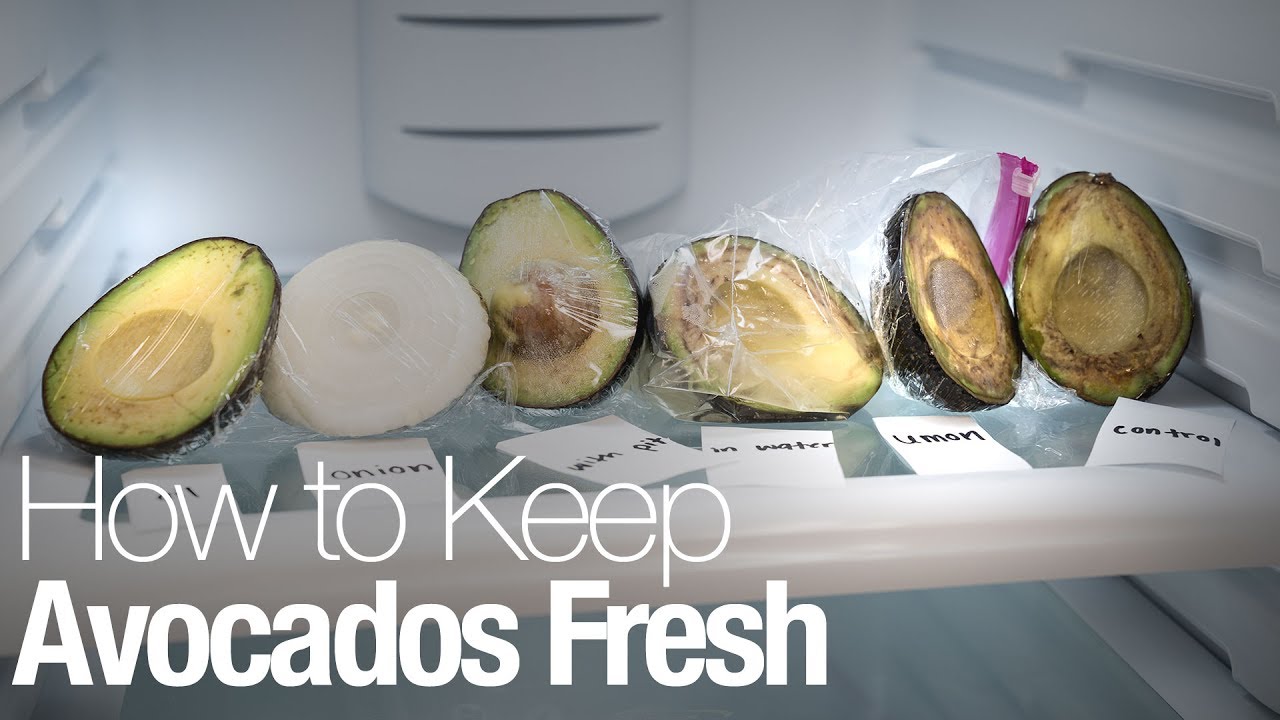
Avocado browning is a biochemical process driven by natural enzymes within the fruit, triggered by exposure to oxygen. Unlike superficial spoilage, this reaction is irreversible once initiated, transforming vibrant green avocado flesh into an unappetizing brown hue. The phenomenon stems from the interaction between polyphenol oxidase (PPO), an enzyme abundant in avocados, and phenolic compounds present in the fruit’s cellular structure. When avocado flesh is cut or bruised, cellular membranes rupture, releasing PPO and phenols into contact with oxygen in the air. This reaction produces quinones, intermediate compounds that polymerize into melanin-like pigments, resulting in the characteristic browning. Understanding this process is crucial for preserving avocado quality, especially in culinary and commercial applications where freshness is paramount.
The enzymatic browning in avocados shares fundamental similarities with other fruits but exhibits distinct variations due to differences in enzyme activity, phenolic content, and cellular structure. For instance, apples and bananas also undergo enzymatic browning via PPO, yet their reactions differ in speed and intensity. Apples, rich in chlorogenic acid, brown rapidly upon exposure, while bananas, with higher levels of dopamine, develop a darker, almost blackened discoloration. Avocados, however, contain a unique blend of catechins and gallic acid, which contribute to their slower yet more pronounced browning when compared to these fruits. The presence of lipids in avocado flesh further influences the reaction, as these fatty compounds can interact with oxygen and accelerate oxidation.

Biochemical Pathway of Avocado Oxidation: From Fresh Cut to Fully Oxidized
The transformation of avocado flesh from green to brown follows a predictable biochemical pathway, dictated by enzymatic activity and environmental conditions. The process can be broken down into four key stages, each marked by distinct chemical and visual changes:
1. Cellular Disruption and Enzyme Activation When an avocado is cut, the integrity of its cellular membranes is compromised. This rupture releases polyphenol oxidase (PPO) and phenolic substrates (such as chlorogenic acid and catechins) into the extracellular space. The enzyme PPO, stored in chloroplasts and other organelles, becomes active upon contact with oxygen, initiating the oxidation process.
2. Formation of Quinones PPO catalyzes the hydroxylation of phenolic compounds, converting them into o-diphenols. These compounds are then oxidized to quinones, which are highly reactive intermediates. The reaction can be summarized as:
Phenolic compounds + O₂ → Quinones (via PPO catalysis)
Quinones are colorless but unstable, rapidly undergoing further reactions.
3. Polymerization and Melanin Development Quinones react with amino acids (such as tyrosine) and other phenols to form brown melanin-like polymers. This polymerization is responsible for the darkening of avocado flesh. The presence of ascorbic acid (vitamin C) and other antioxidants can delay this stage by reducing quinones back to phenols, but once the reaction progresses, browning becomes irreversible.
4. Advanced Oxidation and Structural Degradation In the final stage, prolonged exposure to oxygen leads to advanced oxidation, where lipids in the avocado flesh also undergo rancidity. The flesh may develop off-flavors and a mushy texture, signaling overripe or spoiled conditions. Unlike the reversible browning in some fruits (e.g., apples treated with citric acid), avocado oxidation at this stage is permanent.
Flowchart: Stages of Avocado Browning from Fresh Cut to Fully Oxidized
To visualize the progression of avocado browning, the following responsive flowchart outlines the stages, environmental triggers, and biochemical reactions involved. The table below maps the timeline from an initial cut to complete oxidation, including key indicators and scientific mechanisms:
| Stage | Biochemical Process | Visual Indicators | Timeframe (Approx.) | Environmental Factors |
|---|---|---|---|---|
| Stage 1: Cellular Disruption | Release of PPO and phenolic compounds due to membrane rupture. | No visible change; flesh appears intact. | Immediate (0–5 minutes post-cut). | Cutting, bruising, or peeling. |
| Stage 2: Quinone Formation | PPO oxidizes phenols to quinones (colorless intermediates). | Slight yellowing or dulling of green hue. | 5–30 minutes post-cut. | Oxygen exposure, temperature (optimal at 20–30°C). |
| Stage 3: Polymerization and Browning | Quinones react to form melanin polymers; irreversible browning begins. | Surface browning (light to dark brown patches). | 30 minutes–4 hours post-cut. | High humidity, lack of antioxidants, temperature above 10°C. |
| Stage 4: Advanced Oxidation | Lipid oxidation and protein denaturation; tissue degradation. | Uniform dark brown/black; mushy texture, off-flavors. | 4–24+ hours post-cut (varies by storage conditions). | Prolonged oxygen exposure, temperature fluctuations. |
Impact of Temperature on Avocado Browning Rates
Temperature plays a critical role in modulating the speed of avocado browning, primarily by influencing enzyme activity and oxygen solubility. Polyphenol oxidase (PPO) exhibits optimal activity at 20–30°C, where the reaction rate accelerates significantly. Below 10°C, enzyme activity slows, delaying browning, while temperatures above 40°C can denature PPO, temporarily halting the process. However, refrigeration (0–4°C) is the most effective method for prolonging freshness, as it reduces both enzymatic and microbial activity.
- Room Temperature (20–25°C): Avocados brown rapidly within 30–60 minutes post-cut due to high PPO activity. This is why freshly cut avocados for guacamole or salads are often prepared just before serving.
- Refrigerated Conditions (0–4°C): Browning slows to 2–4 hours or longer, making refrigeration ideal for pre-cut avocados. However, prolonged cold exposure can cause chilling injury, leading to surface pitting or water loss.
- Freezing (-18°C or below): While freezing halts enzymatic activity, it disrupts cellular structure, accelerating oxidation upon thawing. Frozen avocados should be used promptly for cooking to avoid texture degradation.
Comparison of Browning Rates Across Avocado Varieties
Not all avocado varieties brown at the same rate due to differences in flesh composition, PPO activity, and phenolic content. The following table compares the browning tendencies of Hass avocados (the most common variety) with Fuerte, Reed, and Bacon avocados, which are less prone to discoloration:
| Variety | PPO Activity Level | Phenolic Content | Browning Rate (Room Temp.) | Key Lipid/Flesh Composition | Commercial Use Notes |
|---|
| Method | Pros | Cons | Ideal Use Case |
|---|---|---|---|
| Commercial Sprays | Long-lasting (6–12 hours), neutral taste, easy application | Costly for infrequent use, chemical additives | Restaurant prep, large batches, events |
| Lemon/Lime Juice | Natural, flavor-complementary, inexpensive | Short-term (2–4 hours), requires fresh juice | Home cooking, guacamole, salads |
| Saltwater Rinse | Preserves texture, no flavor alteration | Temporary (1–2 hours), requires rinsing | Sliced avocados for garnishes |
| Baking Soda Rinse | Alkaline neutralizes acids, mild inhibition | Bitter aftertaste if overused, pH imbalance | Emergency fix, minimal contact |
| Honey/Sugar Solution | Natural, slight sweetness enhancement | Attracts moisture, may ferment if stored | Desserts, avocado smoothies |
Homemade Alternatives:
Key Consideration: Commercial sprays excel in professional settings where consistency and longevity are critical, while homemade solutions suit home cooks prioritizing natural ingredients.
The Role of Salt in Slowing Browning: Application and Limitations
Salt functions as a dual-action inhibitor: it disrupts enzyme activity through osmotic pressure and binds to moisture, reducing the medium’s water activity—a condition necessary for PPO activation. Coarse sea salt or kosher salt is preferred over table salt due to its larger granules, which distribute more evenly. Application Methods: 1. Dry Sprinkle:
2. Brine Soak:
Limitations:
Scientific Note: Salt’s efficacy stems from its ability to denature proteins in the avocado’s cellular structure, indirectly stabilizing PPO. However, this effect is temporary, as enzymes remain active beneath the salt layer.
Honey and Sugar Solutions: Natural Inhibitors with Sweet Applications
Honey and sugar exploit a different mechanism: osmotic dehydration and mild acidification (in the case of honey’s natural pH). While not as potent as citrus or vinegar, they offer a subtle sweetness enhancement and work best in recipes where added sugar is desirable. Preparation and Application:
Long-Term Storage: Preserving Avocados for Days Without Browning or Spoilage
Avocados are perishable fruits with a delicate balance between ripeness and spoilage, making long-term storage a challenge for many. While short-term solutions like lemon juice or plastic wrap can delay browning temporarily, extending avocado freshness for multiple days requires strategic techniques—from refrigeration optimization to alternative preservation methods. This section explores evidence-based strategies to maximize shelf life, maintain texture, and prevent enzymatic browning while addressing practical considerations like cost, accessibility, and food safety.
Refrigeration Techniques for Whole and Cut Avocados
Refrigeration remains the most accessible and effective method for prolonging avocado storage, but improper handling can accelerate spoilage. Temperature control, humidity, and container selection play critical roles in preserving quality. The ideal refrigerator temperature for avocados ranges between 34–40°F (1–4°C), though whole avocados can tolerate slightly warmer conditions (up to 50°F/10°C) to slow ripening without refrigeration. Optimal Container Selection
Shelf Life Expectations by Storage Method
| Storage Method | Whole Avocado (Unripe to Ripe) | Halved Avocado (Cut) | Pureed Avocado |
|---|---|---|---|
| Refrigerator (Standard Container) | 5–7 days (slows ripening) | 2–3 days (browning occurs) | 3–5 days (texture degrades) |
| Refrigerator (Vacuum-Sealed) | N/A | 5–7 days (minimal browning) | 7–10 days (best for freezing) |
| Freezer (Whole/Halved) | Up to 3 months (best at 70% ripeness) | Up to 2 months (texture loss likely) | Up to 6 months (ideal for purees) |
| Room Temperature (Unripe) | 3–5 days (speeds ripening) | N/A | N/A |
Note: Shelf life varies based on initial ripeness and storage conditions. Optimal Placement in the Fridge
Freezing Avocados: Methods and Texture Preservation
Freezing is the most durable long-term solution for avocados, particularly for purees or cooked dishes where texture changes are less critical. However, whole or halved avocados suffer from cell rupture during thawing, leading to mushiness. The key to successful freezing lies in pre-treatment, packaging, and thawing techniques. Pre-Freezing Preparation Avocados freeze best at 70% ripeness (firm but yielding to gentle pressure). Overripe avocados develop off-flavors, while underripe ones fail to soften properly after thawing.
Thawing Techniques
Texture Recovery Hacks
Pantry-Friendly Storage Solutions for Extended Freshness
When refrigeration or freezing isn’t an option, pantry-based methods can bridge the gap between ripening stages or preserve cut avocados for short-term use. These techniques leverage moisture barriers, chemical inhibitors, and anaerobic environments to delay spoilage. Moisture and Oxygen Barriers
Chemical and Natural Inhibitors
Practical Applications: Harnessing Avocado Browning in Culinary Techniques
Avocado browning is not always an enemy—it can enhance texture, depth of flavor, and visual appeal in specific dishes. While oxidation often signals spoilage, intentional browning can elevate recipes like caramelized avocado toast or artisanal guacamole. Understanding how to manipulate browning—whether by accelerating it for aesthetic purposes or slowing it for preservation—transforms avocados from perishable ingredients into versatile culinary tools. This section explores how chefs and home cooks leverage enzymatic browning in cooking, from controlled oxidation in savory dishes to masking discoloration in blended preparations. Regional techniques, such as Mexico’s lime-based guacamole or Japan’s avocado salad, further demonstrate how cultural practices optimize avocado handling for flavor and texture.
Recipes Where Browning Enhances Flavor and Texture
Intentional browning adds complexity to dishes where visual contrast and subtle bitterness complement the creamy avocado base. In avocado toast with caramelized edges, oxidation creates a nutty, almost toasted flavor that pairs with smoky paprika or chili flakes. To achieve this, slice avocado thinly and let it sit uncovered for 5–10 minutes before assembling. The edges will develop a golden hue, while the center remains buttery. For avocado salsa, partial browning introduces a grassy, slightly bitter note that brightens the dish. Mince avocado and mix with diced tomatoes, red onion, and cilantro, then let it oxidize for 15–20 minutes before adding lime juice. The texture becomes firmer, resembling a salsa verde, with a refined earthiness. In avocado chocolate mousse, controlled browning alters the mouthfeel and taste profile. Freshly cut avocado yields a smooth, velvety consistency, while pre-browned avocado (left exposed for 30 minutes) develops a denser, almost fudgy texture with a deeper cocoa-like richness. The oxidation reduces sweetness slightly, requiring adjustments in sugar or vanilla to balance the flavor. For avocado-based desserts, such as cheesecake or brownies, browning can be masked by blending the avocado into the batter, where its enzymatic activity stabilizes the mixture and enhances moisture retention. However, if using avocado as a topping—like in a deconstructed guacamole tartar—intentional browning adds a sophisticated contrast to sweet or savory components.
Controlling Browning in Guacamole Through Ingredient Ratios
Guacamole’s freshness hinges on balancing oxidation with structural integrity. The key lies in acidic, aromatic, and fatty ingredients that bind avocado cells and slow enzymatic activity. A classic guacamole recipe uses lime juice (1–2 tablespoons per 2 avocados) to lower pH, but the ratio varies based on ripeness. Overripe avocados brown faster and require more lime (up to 3 tablespoons) or additional cilantro and red onion, which release volatile compounds that inhibit polyphenol oxidase. Conversely, underripe avocados may need less acid to avoid a sour taste, compensated by extra salt or tomato to bridge flavor gaps. Onions and garlic act as natural preservatives due to their sulfur compounds, which interfere with browning enzymes. A 1:1 ratio of diced onion to avocado (by volume) can extend freshness by 2–3 hours without refrigeration. Cilantro’s limonene content further delays oxidation, making it a staple in Mexican guacamole. For longer storage, blend guacamole with 1 tablespoon of olive oil to create a protective layer over the avocado flesh. However, this alters texture, so it’s best reserved for dips meant to be served immediately or stored in airtight containers with a thin layer of water or oil on top.
Prepping Avocados for Smoothies and Dips Where Browning Is Less Noticeable
In blended applications like avocado smoothies or creamy dips, browning is less visible but still affects flavor and nutritional integrity. The goal is to minimize oxidation before blending while maximizing convenience. For smoothies, peel and pit avocados immediately after cutting, then store the flesh in an airtight container submerged in water to prevent exposure. When ready to blend, drain and pat dry—cold avocados (stored in the fridge for 1–2 hours) blend more smoothly and resist browning longer. Adding 1 teaspoon of lemon juice per avocado before blending preserves color and prevents a "metallic" taste that develops from prolonged oxidation. For avocado-based dips, such as hummus or tahini blends, browning can be mitigated by pre-fermenting the avocado. Mash avocado with 1 tablespoon of apple cider vinegar or miso paste, then let it rest for 10 minutes before blending with other ingredients. The acidity slows enzyme activity, and the fermentation process mellows the avocado’s flavor, making it more adaptable to spiced or herby profiles. Another technique is freezing avocado in ice cube trays with a splash of lime juice. Thawed cubes retain a pale green hue when blended, ideal for sauces or soups where visual appeal matters.
Masking Browning in Blended and Baked Goods
Avocados are frequently incorporated into sauces, soups, and baked goods where discoloration is irrelevant or even desirable for depth. In avocado pesto, browning enhances the sauce’s robustness, as the oxidized avocado mellows into a nutty, umami-rich base. Blend avocado with pine nuts, garlic, Parmesan, and olive oil, then let it sit for 20–30 minutes before adding lemon juice. The result is a darker, more complex pesto that pairs well with pasta or grilled vegetables. Similarly, in avocado soups (e.g., Mexican sopa de aguacate), browning contributes to a creamy, slightly earthy broth. Simmer avocado with broth and spices, then blend until smooth—adding a pinch of salt and a squeeze of lime at the end preserves color and brightens the dish. For baked goods, such as avocado brownies or muffins, browning is typically masked by the baking process, which denatures enzymes and stabilizes color. However, pre-browning avocado before mixing can intensify the chocolate flavor. Spread avocado slices on parchment paper and let them oxidize for 1 hour, then blend into batter with cocoa powder. The result is a darker, denser brownie with a more pronounced avocado undertone. In avocado-infused oils or butters, browning is harnessed for aromatic depth. Heat avocado flesh with olive oil on low heat until it turns golden (~10 minutes), then strain for a rich, nutty oil ideal for drizzling over salads or roasted vegetables.
Regional Techniques for Avocado Browning Control
Cultural approaches to avocado handling reflect climate, ingredient availability, and culinary traditions. In Mexico, guacamole relies on lime juice, cilantro, and onion to combat browning, with regional variations using tomatillo or serrano peppers to further inhibit oxidation. The Oaxacan style often includes epazote, a herb with natural preservative properties. In Japan, avocado salad (abokado sarada) emphasizes rice vinegar and sesame oil, which create a protective barrier against browning while adding umami. The avocado is typically sliced thin and marinated for 30 minutes before serving, ensuring a firm, slightly oxidized texture that contrasts with the crisp vegetables. In Peru, avocado is a staple in ceviche, where it’s marinated in lime juice and fish broth for 1–2 hours to prevent browning while absorbing flavors. The Andean technique of mixing avocado with huacatay (black mint) and ají amarillo not only enhances taste but also extends freshness due to the herbs’ antioxidant properties. Meanwhile, California-style avocado toast often incorporates smoked paprika or chili oil, which accelerate browning for a bold, caramelized finish. These regional methods highlight how browning can be controlled, celebrated, or concealed to suit local tastes and ingredient constraints.
Cooking Applications Table: Browning Goals and Methods
| Dish | Browning Goal | Recommended Method | Key Ingredients for Control | Texture/Flavor ImpactDIY and Natural Remedies: Homemade Browning Inhibitors for Avocados
Avocados are prized for their creamy texture and rich nutritional profile, but their susceptibility to enzymatic browning often limits their usability beyond immediate consumption. While commercial preservatives exist, natural and homemade alternatives offer effective, cost-efficient, and eco-friendly solutions. These methods leverage acidic compounds, emulsifiers, and fermentation techniques to slow oxidation while enhancing flavor and texture. Below are science-backed, practical recipes and techniques to inhibit browning using common kitchen ingredients, ensuring avocados remain fresh for extended periods without artificial additives.
Homemade Avocado Preservative SprayA preservative spray combines acidic components to lower pH and disrupt enzymatic activity, while emulsifiers like xanthan gum or olive oil create a protective barrier. This method is ideal for pre-cut avocados or slices stored in airtight containers. Ingredients and Preparation:Avocado Browning Paste for Direct ApplicationA paste made from yogurt, honey, or avocado pit powder provides a thick, protective layer that adheres to avocado surfaces. Yogurt’s lactic acid and fat content create a dual barrier against oxidation and dehydration, while honey adds antimicrobial properties. Avocado pit powder, rich in tannins, acts as a natural astringent to slow enzymatic reactions. Recipe Variations: 1. Yogurt-Honey PasteAlcohol-Based Browning InhibitionAlcohols like vodka or rum denature proteins, including polyphenol oxidase, effectively halting browning. The method is particularly useful for pre-cut avocados or guacamole bases, though it alters flavor subtly. Dilution is critical—high alcohol concentrations can dry out avocados or impart off-tastes. Procedure: 1. Dilution Ratio: Mix 1 part alcohol (e.g., vodka) with 3 parts water (e.g., 1 tablespoon vodka + 3 tablespoons water). 2. Application: Lightly brush or spray the solution onto avocado surfaces. For guacamole, stir 1 teaspoon diluted alcohol per 1 cup (150g) mashed avocado. 3. Storage: Seal in an airtight container and refrigerate. Reapply every 24 hours if browning persists. Science Behind Effectiveness: Alcohol disrupts hydrogen bonds in enzyme proteins, rendering polyphenol oxidase inactive. However, it does not replace oxygen exclusion—store treated avocados in a sealed container with minimal air gaps. Safety Notes:Browning-Resistant Avocado Dip BaseBlending avocados with acidic ingredients creates a stable dip base where enzymatic browning is suppressed by the low pH environment. Tomato sauce, vinegar, or lime juice can be used, with added emulsifiers to maintain texture. Recipe:Comparison: Oil-Based vs. Water-Based Preservation Methods
Fermented Avocado "Pickles" for Extended Shelf LifeFermentation preserves avocados by creating an anaerobic environment where beneficial bacteria outcompete spoilage organisms. The process also enhances umami flavors and probiotic content. While traditional avocado pickles are rare, thinly sliced or cubed avocados can be fermented in brine or with lactic acid bacteria (LAB) cultures. Basic Fermentation Method:Troubleshooting and Myth Busting: Common Mistakes and Misconceptions About Avocado BrowningAvocado browning remains one of the most debated yet misunderstood aspects of fruit preservation. While many assume browning is inevitable or indicative of spoilage, the reality is far more nuanced. Misconceptions—such as the belief that only Hass avocados brown or that oxidation renders them unsafe—perpetuate ineffective storage practices. Meanwhile, common errors like improper washing, airtight sealing, or neglecting post-harvest handling accelerate deterioration. This section dissects these myths, identifies practical mistakes, and provides a science-backed troubleshooting guide to revive or salvage avocados that have already browned. Additionally, it evaluates commercial preservatives against DIY alternatives, offering a cost-effective and informed approach to extending avocado shelf life.Debunking Myths About Avocado BrowningAvocado browning is not exclusive to Hass varieties, nor does it automatically signal spoilage. These misconceptions stem from oversimplified assumptions about enzymatic reactions and storage conditions. Hass avocados, known for their dark, bumpy skin, are the most commonly consumed variety, which may contribute to the myth that only they brown. However, Fuerte, Reed, and Bacon avocados—smoother-skinned varieties—also oxidize upon exposure to air. The key difference lies in their ripening stages and skin texture, not browning susceptibility. Another prevalent myth is that browning means an avocado is inedible. While severe discoloration may indicate advanced oxidation, avocados are generally safe to eat beyond the point of browning, provided there are no signs of mold, foul odors, or slimy texture. The oxidation process primarily affects texture and taste, not food safety. Blockquote: "Avocado browning is an enzymatic reaction (polyphenol oxidase) triggered by cell damage, not microbial contamination." — University of California Cooperative ExtensionCommon Storage Mistakes and Their ConsequencesImproper storage accelerates browning by exposing avocados to excessive oxygen, moisture, or temperature fluctuations. Below are critical errors and their impact:
Why Some Avocados Brown Faster Than OthersThe rate of browning varies due to biological, environmental, and handling factors. Below are key influences:
Troubleshooting Guide for Browning AvocadosEven with preventive measures, browning may occur. Below is a step-by-step guide to revive or mitigate oxidized avocados:
Commercial vs. Homemade Avocado Preservatives: Effectiveness and Cost AnalysisCommercial preservatives like "Avocado Fresh" or "Avocado Magic" leverage ascorbic acid or citric acid to delay browning. Below is a comparative analysis:
|
|---|
Leave a Comment
Comments are moderated before appearing. The data you submit is processed according to the Privacy Policy of Gestionale.