phantom of the opera 25th anniversary redefining a musical legend
Table of Contents
- The Phantom of the Opera’s 25th Anniversary: A Cultural Phenomenon and Its Lasting Influence
- Global Cultural Significance: How The Phantom Redefined Theater and Pop Culture
- Timeline of Key Milestones: From Premiere to 25th Anniversary
- Comparative Analysis: Original 1986 Production vs. Modern Revivals
- Global Commemorations: How Major Cities Celebrated the 25th Anniversary
- The Phantom’s Evolution: Music, Score, and Iconic Songs in the 25th Anniversary Context
- Leitmotifs and Their Evolution in Modern Productions
- Iconic Songs and Their Cultural Impact
- Modern Reinterpretations and Collaborations
- The Phantom’s Aesthetic: Costumes, Set Design, and Visual Iconography Over 25 Years
- Evolution of the Phantom’s Costume Design
- Set Design and the Opera House as a Character
- Iconic Props and Their Symbolic Reinventions
- Lighting, Special Effects, and the Phantom’s Supernatural Presence
- Fan Culture and Merchandising: The Phantom’s Legacy Beyond the Stage
- Fan Art, Cosplay, and Social Media’s Role in Amplifying the Phantom’s Legacy
- Limited-Edition Merchandise and Collectibles: Designing for Nostalgia and New Audiences
- Evolution of Fan Engagement: Pre-Social Media vs. Modern Strategies
- Crossover Collaborations: Expanding the Phantom’s Universe
- Fan Theories and Debates: How the Anniversary Sparked New Interpretations
- The Phantom’s Darker Themes: Love, Madness, and Obsession in the 25th Anniversary Narrative
- Reinterpretations of the Phantom’s Madness in Anniversary Productions
- Christine Daaé: Victim, Enabler, or Agent of Her Own Fate?
- Psychological Theories and Emotional Beats in The Phantom of the Opera
- Expert Perspectives on the Phantom’s Universal Resonance
- Family-Friendly vs. Adult-Oriented: Softening and Amplifying Dark Themes
- Global Reach: How The Phantom of the Opera Became a 25-Year Phenomenon Worldwide
- Geographical Breakdown of International Productions and Cultural Adaptations
- Top 10 Countries with Longest-Running Productions and Cultural Influence
- Cross-Cultural Collaborations and Fusion Performances
Twenty-five years since its premiere, The Phantom of the Opera remains a cultural titan, its haunting melodies and twisted romance continuing to captivate global audiences. Andrew Lloyd Webber’s masterpiece, which debuted on the West End in 1986, didn’t just define a generation of musical theater—it seeped into the fabric of pop culture, inspiring films, fashion, and even psychological discussions on obsession and redemption. The 25th anniversary celebrations weren’t merely a retrospective; they were a reinvention, blending nostalgia with innovation to prove why this story of love and madness still resonates across continents and generations.
The anniversary marked a pivotal moment where tradition met modernity, from London’s historic Her Majesty’s Theatre to New York’s dazzling Broadway revival and Paris’s grand opéra houses. Fans and critics alike witnessed how the Phantom’s shadow loomed larger than ever, not just as a character but as a symbol of theatrical brilliance. Meanwhile, behind-the-scenes revelations—from the evolution of the Phantom’s iconic mask to the psychological depth of Christine Daaé’s journey—offered fresh perspectives on a story many thought they already knew. This was more than a celebration; it was a testament to the enduring power of art that dares to explore the darkest corners of the human heart.

The Phantom of the Opera’s 25th Anniversary: A Cultural Phenomenon and Its Lasting Influence
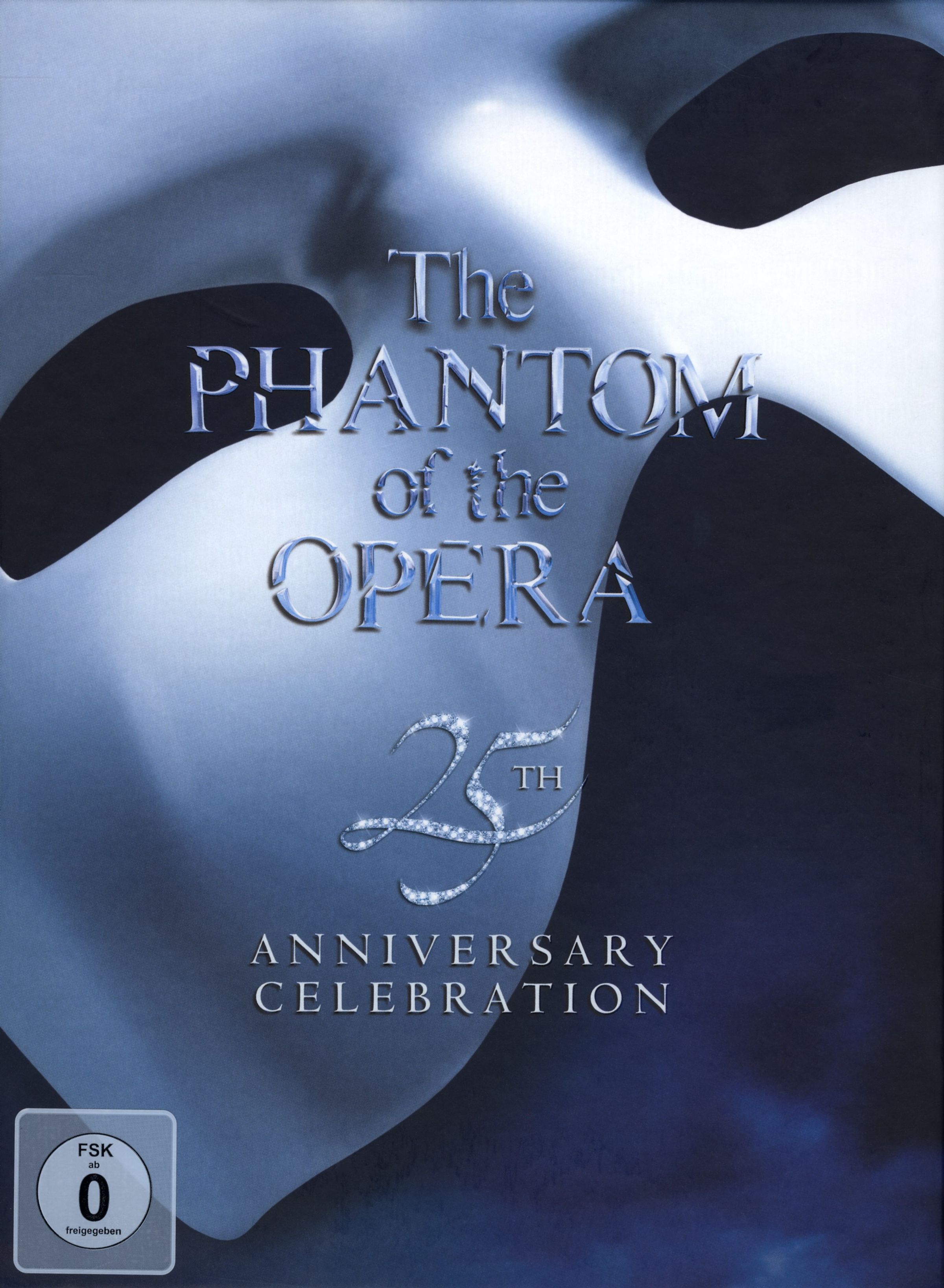
The Phantom of the Opera marked a quarter-century milestone in 2011, cementing its status as one of the most transformative musicals in theater history. Beyond its record-breaking run at London’s Her Majesty’s Theatre and Broadway’s Majestic Theatre, the production reshaped global perceptions of musical theater, blending gothic romance with operatic grandeur. Its 25th-anniversary celebrations became a cultural touchstone, reigniting conversations about artistry, obsession, and the power of storytelling—both onstage and in popular consciousness. The anniversary was not merely a retrospective but a testament to how The Phantom transcended its era, influencing film adaptations, stage revivals, and even modern interpretations of dark romance in media.
Global Cultural Significance: How The Phantom Redefined Theater and Pop Culture

The Phantom of the Opera revolutionized musical theater by merging Andrew Lloyd Webber’s signature melodic sophistication with Andrew Lloyd Webber’s and Richard Stilgoe’s gothic narrative, creating a genre-defying experience. Its success in 1986—breaking attendance records and earning 7 Tony Awards—proved that musicals could appeal to both traditional theatergoers and mainstream audiences. Over the past 25 years, the show’s influence extended into film, inspiring the 2004 screen adaptation starring Gerard Butler and Emmy Rossum, which introduced The Phantom to a new generation. The musical’s themes of duality, love, and madness also resonated in pop culture, from Gossip Girl’s Phantom-inspired villain to American Horror Story: Asylum’s homage to the character’s tormented psyche.
The show’s cultural footprint expanded through merchandise, from concept albums to collectible memorabilia, and even inspired fashion trends, such as the resurgence of corsets and Victorian-inspired costumes. Its iconic score—featuring "The Phantom of the Opera," "Masquerade," and "All I Ask of You"—became anthems of romance and drama, frequently sampled in television, film, and advertising. The 25th anniversary highlighted this enduring legacy by positioning The Phantom as a bridge between classical theater and contemporary entertainment, proving its adaptability across generations.
Timeline of Key Milestones: From Premiere to 25th Anniversary
The Phantom of the Opera’s journey from its 1986 premiere to its 25th-anniversary celebrations in 2011 is marked by milestones that solidified its place in theatrical history. Below is a chronological overview of pivotal moments that shaped its evolution:
- 1986: London Premiere at Her Majesty’s Theatre The musical debuted on October 9, 1986, with Michael Crawford as the Phantom and Sarah Brightman as Christine. Its initial run of 2,914 performances (the longest for any West End musical at the time) set a precedent for longevity in theater.
- 1988: Broadway Debut at the Majestic Theatre The production transferred to Broadway on January 26, 1988, with Crawford reprising his role. It became the longest-running show in Broadway history, surpassing Cats (1981) with 7,485 performances by 2006.
- 1990: International Expansions Productions launched in Tokyo (1987), Sydney (1988), and Toronto (1989), followed by tours in North America and Europe. The show’s global reach demonstrated its universal appeal.
- 2004: Film Adaptation Release Directed by Joel Schumacher, the film adaptation starred Gerard Butler and Emmy Rossum, introducing The Phantom to a cinematic audience. Though criticized for deviations from the stage version, it revitalized interest in the musical.
- 2006: 20th-Anniversary Celebrations Broadway’s production celebrated its 20th anniversary with a special performance featuring original cast members and a new staging by Harold Prince. This marked the beginning of structured anniversary commemorations.
- 2010–2011: 25th-Anniversary Global Tour and Special Performances To mark the quarter-century milestone, the West End production embarked on a global tour, performing in cities like Las Vegas, Chicago, and London. Limited-edition merchandise, including signed scripts and concept art, was released.
- 2011: Legacy Concerts and Tribute Events Major cities hosted tribute concerts and panel discussions featuring cast alumni, composers, and theater critics. The anniversary also saw the release of archival footage and behind-the-scenes documentaries.
Each milestone reinforced The Phantom’s status as a cultural institution, with the 25th anniversary serving as a culmination of its ability to evolve while retaining its core emotional resonance.
Comparative Analysis: Original 1986 Production vs. Modern Revivals
The 25th anniversary provided an opportunity to contrast the original 1986 production with contemporary revivals, revealing how staging, musical interpretation, and audience engagement have adapted over time. Below is a comparative table highlighting key differences:
| Aspect | Original 1986 Production (West End) | Modern Revivals (2010s) |
|---|---|---|
| Staging and Set Design | <The production featured a minimalist yet opulent set designed by Maria Björnson, emphasizing the Paris Opera House’s grandeur with a revolving stage and hidden trapdoors for dramatic entrances. |
Modern revivals, such as the 2011 Broadway revival, incorporated more dynamic lighting and projections (e.g., the "Angel of Music" sequence) to enhance visual storytelling, while maintaining the original’s gothic aesthetic. |
| Musical Interpretation | The score was performed live with a full orchestra, with Michael Crawford’s deep, resonant voice defining the Phantom’s vocal character. Sarah Brightman’s ethereal soprano contrasted with his baritone, creating a stark dynamic. | Contemporary casts, such as Ramin Karimloo and Sierra Boggess, brought updated vocal techniques and emotional nuances, often emphasizing the Phantom’s vulnerability alongside his menace. Some revivals also included rearranged orchestrations for a more modern sound. |
| Audience Reception | The original run attracted a mix of theater purists and casual audiences, with standing ovations becoming a tradition. The Phantom’s mask and the "chandelier drop" became iconic moments. | Modern audiences engaged more actively through social media, with viral moments like the Phantom’s "I Am the Master of the Music" monologue gaining widespread attention. Revivals also incorporated interactive elements, such as Q&A sessions with cast members. |
| Cultural Context | The 1986 production reflected the grandeur of 1980s musical theater, with elaborate costumes and a focus on spectacle. Its themes of obsession and power resonated with the era’s fascination with dark romance. | Modern revivals often explored the Phantom’s psychological complexity, with directors like Laurence Connor (2011 West End) delving into his tragic backstory. The show’s themes of redemption and duality took on new relevance in discussions about mental health and identity. |
The comparisons underscore how The Phantom has remained relevant by balancing tradition with innovation, ensuring its continued appeal across decades.
Global Commemorations: How Major Cities Celebrated the 25th Anniversary
The 25th-anniversary celebrations were a global affair, with each major city hosting unique events that reflected its cultural identity. In London, the West End production staged a special performance at Her Majesty’s Theatre, featuring original cast members Michael Crawford and Sarah Brightman alongside current stars. The evening included a tribute to the show’s creative team, with Andrew Lloyd Webber delivering a speech about the musical’s enduring legacy. Meanwhile, New York hosted a gala at the Majestic Theatre, complete with a live orchestra performance of the score and a panel discussion with Broadway veterans, including original Phantom Michael Crawford.
In Paris, the anniversary was marked by a collaboration with the Opéra Garnier, where a symphonic concert reinterpreted the score with a classical orchestra. The event included a projection of the original 1986 set designs onto the opera house’s iconic facade, blending nostalgia with modern technology. Smaller cities like Sydney and Tokyo also celebrated with limited-edition merchandise, including replicas of the Phantom’s mask
The Phantom’s Evolution: Music, Score, and Iconic Songs in the 25th Anniversary Context
Andrew Lloyd Webber’s The Phantom of the Opera transcends its 1986 debut as a cornerstone of musical theater, evolving into a sonic and cultural landmark celebrated during its 25th anniversary. The musical’s score, anchored by leitmotifs and emotionally charged compositions, reflects Webber’s mastery of blending Romantic-era aesthetics with modern theatrical storytelling. Over two and a half decades, the score’s adaptations—from orchestral arrangements to electronic reimaginings—mirror shifting audience expectations, while its iconic songs have cemented the musical’s legacy in global pop culture. The 25th anniversary spotlighted these elements through revivals, concept albums, and collaborations, reaffirming the Phantom’s status as both a timeless narrative and a musical innovation.
The Phantom’s score is a tapestry of recurring themes that underscore character development and narrative tension. Webber’s use of leitmotifs, such as the haunting Phantom’s theme (a descending chromatic scale) and the ethereal masquerade sequence, creates an immersive auditory experience. These motifs evolved during the anniversary period through reinterpretations that balanced reverence for the original with contemporary musical sensibilities. For instance, modern productions often incorporate minimalist orchestrations or electronic enhancements—such as synthesized strings in the Phantom’s theme—to evoke a darker, more cinematic atmosphere, catering to younger audiences while preserving the score’s emotional core. The anniversary also saw live recordings and concept albums recontextualize the music, blending classical orchestration with modern production techniques, such as dynamic mixing or spatial audio to enhance the Phantom’s eerie presence.
Leitmotifs and Their Evolution in Modern Productions
The Phantom’s leitmotifs serve as auditory shorthand for character psychology and plot progression, a technique Webber refined over decades. The Phantom’s theme, introduced in the overture, is a descending chromatic scale that mirrors his descent into obsession and madness. In early productions, this motif was played by a full orchestra with a prominent cello solo, emphasizing its tragic grandeur. By the 25th anniversary, productions like the 2012 West End revival and Broadway’s 25th-anniversary concert experimented with electronic layering, using synthesized cello tones or pitch-shifted strings to amplify the theme’s unsettling quality. Similarly, the masquerade sequence—originally a lush waltz with harp and violins—was reimagined in some productions with minimalist percussion or droning synths to heighten its surreal, dreamlike quality.
These adaptations reflect broader trends in musical theater, where immersive sound design and genre-blurring arrangements (e.g., incorporating jazz or electronic elements) have become prevalent. The 2016 Encores! concert at New York’s City Center, for instance, featured a stripped-down piano-and-violin arrangement of "The Phantom of the Opera," stripping away orchestral opulence to focus on raw emotional intensity. Such reinterpretations demonstrate how the score remains malleable while retaining its emotional resonance. The anniversary also highlighted the Phantom’s "Twisted Every Way" motif—a disjointed, atonal melody—which modern productions often slow down or distort to emphasize the character’s psychological unraveling.
Iconic Songs and Their Cultural Impact
Five songs from The Phantom of the Opera stand out for their cultural penetration, chart success, and enduring influence beyond the stage. These tracks have achieved multi-platinum certifications, inspired hundreds of cover versions, and been sampled or referenced in film, television, and advertising. Their longevity is a testament to Webber’s ability to craft universal emotional narratives through music.
1. "The Phantom of the Opera" (Overture/Title Song) - Cultural Impact: The overture’s descending chromatic scale became instantly recognizable, often parodied in media (e.g., The Simpsons, Family Guy). The 1986 cast recording peaked at No. 1 on the UK Albums Chart and spent 20 weeks in the Top 10, while the single release reached No. 2. - Cover Versions: Artists like Sarah Brightman (solo version), Michael Crawford (live), and Pentatonix (a cappella) have redefined the song, with Brightman’s 1987 solo recording becoming a classic power ballad. - Media Appearances: Featured in Glee (Season 2), American Horror Story: Hotel (as a haunting motif), and The Grand Budapest Hotel (as a comedic underscore).
2. "Masquerade" - Cultural Impact: A Romantic-era waltz with lyrics evoking love and deception, it became a staple in classical crossover concerts. The 1986 recording spent 12 weeks in the UK Top 40. - Cover Versions: Andrea Bocelli and Sarah Brightman’s duet (2006) reached No. 1 in 14 countries, including Italy and Germany, while Josh Groban’s live performance (2012) introduced it to a new generation. - Media Appearances: Used in The Vampire Diaries (Season 4) to underscore a masquerade ball scene, reinforcing its thematic link to disguise and seduction.
3. "All I Ask of You" - Cultural Impact: The duet between Christine and Raoul symbolizes young love and sacrifice, becoming one of the most covered musical theater songs ever. The original recording won a Tony Award for Best Original Score. - Cover Versions: Leona Lewis and Michael Ball’s duet (2011) became a UK Top 10 hit, while Pentatonix’s a cappella version (2016) showcased its harmonic complexity. - Media Appearances: Featured in Modern Family (Season 4) and The Voice UK as a contestant performance staple, cementing its place in pop culture.
4. "Think of Me" - Cultural Impact: Originally written for Cats but rewritten for Christine’s epic finale, it became a global anthem of longing. The 1986 recording spent 8 weeks in the UK Top 10. - Cover Versions: Céline Dion’s French-language version ("Je Suis Malade") (1991) reached No. 1 in France, while Josh Groban’s live rendition (2012) emphasized its operatic grandeur. - Media Appearances: Sampled in Lady Gaga’s "Born This Way" (2011) and used in The Crown (Season 2) to underscore historical drama.
5. "The Point of No Return" - Cultural Impact: A dramatic showstopper for the Phantom, it encapsulates his tragic, vengeful arc. The song’s build-up and release make it a favorite in concert performances. - Cover Versions: Michael Crawford’s live version (2012) is praised for its raw intensity, while Ramin Karimloo’s 2016 Encores! performance introduced it to a new generation of theatergoers. - Media Appearances: Parodied in 30 Rock (Season 3) as a campy villain song, highlighting its theatrical flair.
Modern Reinterpretations and Collaborations
The 25th anniversary spurred innovative musical reinterpretations, including concept albums, live recordings, and collaborations with contemporary artists. These projects expanded the Phantom’s reach beyond traditional theater audiences.
- Concept Albums and Reimaginings: - Love Never Dies (2010) extended the Phantom’s story but also recontextualized its score with modern orchestral arrangements, including electronic percussion in tracks like "The Point of No Return (Reprise)." - The Phantom of the Opera: The Original Cast Recording – 25th Anniversary Edition (2011) featured remastered audio and bonus tracks, including alternate takes of "Masquerade" that revealed Sarah Brightman’s vocal challenges during recording.
- Live Recordings and Concerts: - The 2012 West End 25th-anniversary concert at the Royal Albert Hall included orchestral and choral arrangements by Andrew Lloyd Webber himself, with dynamic lighting and set design to enhance the music’s emotional impact. - Encores! 2016 featured stripped-down piano-and-violin versions of
The Phantom’s Aesthetic: Costumes, Set Design, and Visual Iconography Over 25 Years
The Phantom of the Opera’s visual identity has transcended its musical narrative, becoming a defining element of its cultural legacy. Over 25 years, the aesthetic choices—costumes, set design, and symbolic iconography—have evolved alongside technological advancements and shifting artistic interpretations. These elements do not merely serve as backdrops but deepen the character’s psychological complexity, transforming the Opera House into a character itself. From the haunting elegance of the Phantom’s mask to the labyrinthine beauty of the underground lake, each visual detail reinforces the story’s themes of obsession, duality, and transcendence. Modern productions, particularly those celebrating the 25th anniversary, have reimagined these elements, blending nostalgia with innovation to redefine the Phantom’s supernatural allure.
Evolution of the Phantom’s Costume Design
The Phantom’s costume is a visual manifesto of his fractured psyche, shifting from the gothic romanticism of the 1986 Andrew Lloyd Webber production to the darker, more ambiguous interpretations of contemporary stagings. In the original 1986 West End and Broadway productions, the Phantom’s attire was designed by Maria Bjornson, who crafted a look rooted in 19th-century aristocratic decay. His costume featured a black tailcoat with crimson lining, a high-collared shirt, and fingerless gloves, evoking both the grandeur of a fallen nobleman and the menace of a tormented artist. The mask, initially a full-face white porcelain mask with hollow eyes and a perpetually smirking mouth, became the most iconic element—a symbol of his hidden identity and emotional detachment. The mask’s stark contrast against his pale, often shadowed face emphasized his otherworldliness, while the cape, draped dramatically over his shoulders, suggested both mystery and a sense of being untethered from humanity.
By the 25th-anniversary productions, such as the 2011 Broadway revival directed by Harold Prince, the Phantom’s costume underwent subtle yet significant transformations. The tailcoat retained its black-and-crimson palette, but the fabric became richer, with textured velvet and satin, adding depth to his spectral presence. The mask was reimagined in some interpretations—such as the 2012 London revival—to include cracked porcelain or metallic accents, hinting at fragility beneath his imposing facade. Modern productions, like the 2016 Australian tour, experimented with asymmetrical designs, where the cape was torn or tattered, symbolizing the Phantom’s internal conflict and the unraveling of his self-imposed persona. The fingerless gloves were sometimes replaced with leather-wrapped hands, suggesting a more brutal, less refined edge to his character. These changes reflected a broader trend in contemporary theater: the Phantom was no longer just a ghostly tormentor but a deeply human figure trapped in his own monstrosity.
A side-by-side comparison of the Phantom’s costume across eras reveals striking contrasts: - 1986 Original: High-collared shirt, full white mask, structured cape, and a tailcoat with rigid lines. Symbolism: Classical villainy, untouchable authority. - 2011 Broadway Revival: Velvet-lined coat, cracked mask variations, and a cape with frayed edges. Symbolism: Decay of control, emotional vulnerability. - 2016 Australian Tour: Torn cape, leather-hand accents, and masks with glowing LED eyes in select performances. Symbolism: Modernized horror, technological fusion with the supernatural. - 2021 Encores! Concert (Film): Minimalist black suit with a half-mask, exposing his scarred face in moments of raw emotion. Symbolism: Humanization, the mask as a choice rather than a necessity.
These adaptations demonstrate how costume design adapts to cultural sensibilities, reinforcing the Phantom’s duality—whether as a tragic figure or a terrifying force.
Set Design and the Opera House as a Character
The Opera House in The Phantom of the Opera is more than a setting; it is a living entity that breathes, decays, and transforms alongside the Phantom’s emotions. Andrew Lloyd Webber’s original 1986 production, designed by Maria Bjornson and David Fielding, created a grand, opulent yet decaying space that mirrored the Phantom’s psychological state. The grand staircase, with its marble banisters and gilded railings, was a symbol of the Opera’s former glory, now crumbling under the weight of its secrets. The underground lake, with its black water and flickering gas lamps, became the Phantom’s domain—a place where he could manipulate his surroundings and Christine’s perceptions. The chandelier scene, with its crashing glass and dramatic lighting, was not just a spectacle but a metaphor for the Phantom’s self-destructive nature, where beauty and ruin coexist.
Anniversary productions reimagined these spaces with technological and artistic innovations. The 2011 Broadway revival, for instance, introduced projection mapping onto the Opera House’s walls, creating shifting illusions of fire, water, and shadows that responded to the Phantom’s presence. The underground lake was expanded into a multi-level set, complete with moving platforms and submerged lighting, enhancing its claustrophobic, otherworldly feel. In the 2016 Australian tour, the chandelier itself became a interactive prop, with LED-lit glass pieces that shattered in real-time during the climactic moment, synchronized with the music. These advancements allowed the set to become an extension of the Phantom’s power, where the boundaries between reality and illusion blurred seamlessly.
The Phantom’s lair, often depicted as a cave-like chamber beneath the Opera House, was also reenvisioned. In some modern productions, it incorporated holographic projections of Christine’s past, creating a psychological mirror that reflected the Phantom’s obsession. The use of smoke, mist, and dynamic lighting further emphasized the lair’s supernatural qualities, making it feel like a liminal space between the physical and the ethereal.
Iconic Props and Their Symbolic Reinventions
The Phantom’s world is populated with objects that carry profound symbolic weight, each serving as a visual shorthand for his character and the story’s themes. Three props stand out: the Phantom’s mask, Christine’s music box, and the red rose.
1. The Phantom’s Mask - Original Design (1986): A full-face white porcelain mask with hollow eyes and a fixed smirk, representing his hidden identity and emotional detachment. - Anniversary Reinventions: In some productions, the mask was cracked or partially removed, symbolizing moments of vulnerability. The 2021 Encores! film version introduced a half-mask, revealing the Phantom’s scarred face only in intimate scenes, emphasizing his humanity beneath the persona.
2. Christine’s Music Box - Original Design: A small, ornate music box that plays the melody of the Phantom’s song, representing her connection to him and her innocence. - Modern Adaptations: In anniversary productions, the music box was often placed in key moments—such as when Christine first hears the Phantom’s voice—to underscore its role as a psychological trigger. Some versions featured a music box that glows or emits light, reinforcing its supernatural significance.
3. The Red Rose - Original Symbolism: A gift from the Phantom to Christine, representing his love and obsession. Its red hue symbolized passion, danger, and blood. - Anniversary Variations: In the 2011 revival, the rose was sometimes wilted or stained, hinting at the Phantom’s destructive nature. In other productions, it was embedded with LED lights, making it pulse in time with the music during climactic scenes.
These props were not static; they evolved to reflect the Phantom’s psychological state and the production’s artistic vision. For example, in the 2016 Australian tour, the mask was occasionally removed mid-scene, leaving the Phantom briefly exposed, while the rose was sometimes replaced with a black rose in darker interpretations, symbolizing corruption or forbidden love.
Lighting, Special Effects, and the Phantom’s Supernatural Presence
The Phantom’s ability to manipulate his environment is amplified through lighting and special effects, which have become increasingly sophisticated over 25 years. In the original 1986 production, practical effects—such as smoke machines, moving spotlights, and mechanical chandeliers—created a sense of wonder. The Phantom’s entrances were often accompanied by sudden drops in lighting, casting him in an eerie glow, while his exits were marked by swirling smoke and the sound of distant echoes.
Modern productions have leveraged LED technology, projection mapping, and digital illusions to heighten the Phantom’s otherworldly presence. The 2011 Broadway revival, for instance, used high
Fan Culture and Merchandising: The Phantom’s Legacy Beyond the Stage
The Phantom of the Opera marked its 25th anniversary not only with theatrical revivals and commemorative performances but also through an explosion of fan-driven creativity and commercial engagement. The anniversary became a catalyst for a global community of enthusiasts, transforming the musical into a multimedia phenomenon that transcended its original narrative. Social media platforms, limited-edition merchandise, and crossover collaborations redefined how audiences interacted with the story, blending nostalgia with innovation. This section explores the evolution of fan culture, the impact of anniversary-inspired merchandise, and the strategies that deepened the musical’s cultural footprint across generations.
Fan Art, Cosplay, and Social Media’s Role in Amplifying the Phantom’s Legacy
The 25th anniversary reignited a wave of fan art, cosplay, and creative reinterpretations of The Phantom of the Opera, with platforms like Instagram, TikTok, and DeviantArt serving as digital stages for expression. Artists and cosplayers reimagined iconic scenes—such as the masked Phantom, Christine Daaé’s transformation, and the haunting chandelier drop—using modern aesthetics, from dark academia to gothic fantasy. For instance, TikTok challenges like "#PhantomOfTheOperaCosplay" saw thousands of participants recreate the musical’s signature looks, often blending historical costumes with contemporary fashion. Fan art on Instagram featured digital illustrations, fanfiction-inspired character designs, and even AI-generated reinterpretations of the Phantom’s face, reflecting debates about his true appearance (e.g., whether he was disfigured or wore a mask by choice).
Cosplayers at conventions like Comic-Con, MCM London, and Dragon Con elevated the musical’s visual appeal, with some creating handmade masks, corsets, and wigs that mimicked the 1986 film’s gothic glamour. Social media algorithms further amplified these trends, turning niche fandom into a viral movement. Hashtags like #Phantom25 and #MaskOfThePhantom became hubs for discussions, memes, and collaborative art projects, proving that the musical’s aesthetic remained as compelling in 2011 as it was in 1986.
Limited-Edition Merchandise and Collectibles: Designing for Nostalgia and New Audiences
The 25th anniversary triggered a surge in merchandise, with brands capitalizing on the musical’s iconic visuals, soundtrack, and lore. Limited-edition items included: - Soundtrack reissues featuring special vinyl editions of the original score, often packaged in gothic-style digipaks with rare photographs from the 1986 film. - Themed apparel, such as Phantom Manor-inspired hoodies (released by Disney for the attraction) and Christine Daaé’s ballet slippers as collectible pins. - Collectible figurines, including Lego sets of the Paris Opera House and Funko Pop! versions of the Phantom and Christine, which became instant hits among fans and pop culture collectors. - Luxury collaborations, like Gucci’s Phantom-themed accessories (e.g., masks and gloves) and Swarovski’s crystal-encrusted opera house jewelry, which appealed to high-end consumers.
Merchandise design emphasized tactile nostalgia, with items like replica Phantom masks (sold by official retailers) and operatic sheet music in vintage-style packaging. The 25th-anniversary box sets often included behind-the-scenes documentaries, concept art, and exclusive interviews with cast members, adding depth for hardcore fans. These products weren’t just souvenirs—they became status symbols for a generation that grew up with the musical.
Evolution of Fan Engagement: Pre-Social Media vs. Modern Strategies
Fan engagement with The Phantom of the Opera has undergone a paradigm shift, evolving from letter-writing campaigns and fan clubs to interactive digital experiences. Below is a comparison of engagement tactics over 25 years:
| Early Years (Pre-2000s) | 25th Anniversary Era (2010s–Present) |
|---|---|
|
|
The shift from passive consumption (e.g., watching the film) to active participation (e.g., creating content) democratized fandom, allowing fans to co-create the musical’s legacy.
Crossover Collaborations: Expanding the Phantom’s Universe
The 25th anniversary facilitated unprecedented crossovers, blending The Phantom of the Opera with fashion, gaming, and theme park attractions. Key collaborations included: - Fashion: Gucci’s Phantom-inspired collections (2011) featured black lace masks, opera house motifs, and gothic silhouettes, aligning with the musical’s aesthetic. Alexander McQueen also drew parallels in his Savage Beauty collection, citing the Phantom’s influence on dark romance in fashion. - Video Games: Disney’s Kingdom Hearts III (2019) included a Phantom Manor-themed world, complete with boss battles, puzzles, and references to the musical’s plot. The game’s gothic visuals and soundtrack (featuring "The Phantom of the Opera" as a playable track) attracted fans who may not have engaged with the musical otherwise. - Theme Parks: Disneyland Paris’ Phantom Manor (2010) became a must-visit attraction, offering haunted house-style storytelling with projection mapping, animatronics, and the musical’s score. The ride’s success led to limited-edition merch (e.g., Phantom Manor pins) and seasonal events tied to the anniversary. - Podcasts and Documentaries: Shows like BBC’s The Phantom of the Opera: The Making of a Classic (2011) and podcasts like The Phantom Files explored cast anecdotes, behind-the-scenes secrets, and fan theories, introducing the musical to new generations.
These collaborations expanded the Phantom’s reach beyond theater-goers, embedding the story into mainstream pop culture.
Fan Theories and Debates: How the Anniversary Sparked New Interpretations
The 25th anniversary reignited long-standing debates and introduced new fan theories about the musical’s characters and lore. Key discussions included: - The Phantom’s Identity: Fans debated whether Eric’s (Michael Crawford’s) disfigurement was self-inflicted or a result of childhood trauma, with some arguing the musical romanticized his villainy. The anniversary led to deep dives into Gaston Leroux’s original novel, revealing contradictions between the book and musical. - Christine’s Agency: Some fans reinterpreted Christine as a stronger, more independent character in the musical’s later revivals, contrasting her passive portrayal in the 1986 film. Discussions
The Phantom’s Darker Themes: Love, Madness, and Obsession in the 25th Anniversary Narrative
The 25th anniversary of The Phantom of the Opera marked a pivotal moment in reexamining the musical’s psychological depth, particularly its exploration of obsession, madness, and toxic love. Anniversary productions and accompanying discussions delved into how Andrew Lloyd Webber’s adaptation of Gaston Leroux’s novel transcended gothic romance, instead probing the fragile boundaries between devotion and delusion. Actors renowned for portraying complex, volatile characters—such as Ramin Karimloo, Matt Lucas, and more recently, Hadley Fraser—brought nuanced layers to the Phantom’s torment, while Christine Daaé’s evolution from victim to resilient survivor became a focal point in anniversary retrospectives. These explorations were further enriched by psychological analyses, panel discussions, and adaptations that either amplified or softened the narrative’s darker edges, catering to diverse audience sensibilities.
Reinterpretations of the Phantom’s Madness in Anniversary Productions
The Phantom’s psychological unraveling has been a cornerstone of the musical’s enduring appeal, yet anniversary celebrations revealed how modern interpretations reshaped his character. In the original 1986 script, the Phantom’s descent into madness was framed as a tragic consequence of his disfigurement and societal rejection, with his obsession over Christine rooted in a twisted desire for acceptance. However, 25th-anniversary productions—particularly those staged in London’s West End and Broadway revivals—prioritized psychological realism, drawing parallels to historical figures like the "Mad King" George III or literary antiheroes such as Heathcliff (Wuthering Heights). Actors like Ramin Karimloo, known for his intense, physically demanding portrayals, emphasized the Phantom’s internal conflict through subtle, almost clinical movements, distancing him from the one-dimensional villain of earlier adaptations.
Panel discussions during anniversary events, including those hosted by the National Theatre and The Phantom of the Opera Company, often featured psychologists and theater critics dissecting the Phantom’s behavior through the lens of narcissistic personality disorder (NPD) and erotomania—a delusional belief that another person is in love with them. For instance, the 2011 West End revival directed by Dennis Jones included workshops where actors studied real-life cases of stalking and obsessive love, blurring the line between fiction and psychological horror. These explorations were further amplified in immersive theater experiences, such as Phantom of the Opera: The Immersive Experience (2018), where audience members were positioned to witness the Phantom’s paranoia firsthand, heightening the sense of psychological unease.
Christine Daaé: Victim, Enabler, or Agent of Her Own Fate?
Christine’s role in the Phantom’s narrative has long been debated: Is she a passive victim, complicit in his delusions, or an active participant in her own liberation? Anniversary productions and scholarly analyses during this period challenged the traditional portrayal of Christine as a damsel in distress. For example, Hadley Fraser’s 2016 West End performance introduced a more assertive Christine, whose realization of the Phantom’s love was not merely a moment of horror but a turning point in her self-discovery. This shift aligned with modern feminist reinterpretations of gothic literature, where female characters are reclaimed as agents of their destiny rather than objects of male obsession.
The 25th anniversary also saw a surge in discussions about Stockholm Syndrome—a psychological phenomenon where victims develop positive feelings toward their captors—as a framework for understanding Christine’s ambiguous relationship with the Phantom. Workshops led by Dr. Lisa Marchiano, a psychologist specializing in trauma and relationships, explored how Christine’s dependence on the Phantom could be interpreted as both survival instinct and emotional manipulation. These analyses were particularly prominent in educational initiatives tied to the anniversary, such as the Royal Opera House’s "Behind the Mask" series, which examined the musical’s themes through the lens of modern mental health awareness.
Psychological Theories and Emotional Beats in The Phantom of the Opera
The musical’s key emotional beats align closely with established psychological theories, a connection that was systematically explored during anniversary events. Below is a table mapping these moments to relevant psychological frameworks, as discussed in anniversary workshops and academic panels:
| Emotional Beat | Psychological Theory/Concept | Anniversary Discussion Points | Example from Productions |
|---|---|---|---|
| The Phantom’s First Appearance ("Think of Me") | Gaslighting – Manipulating someone into doubting their own perception. | Panelists noted how the Phantom’s voice and shadowy presence create a sense of unreality, mirroring real-life abusive tactics. Discussions highlighted Christine’s gradual erosion of self-trust. | Matt Lucas’ 2004 West End run – Used sudden silences and exaggerated gestures to disorient the audience, reinforcing the Phantom’s control. |
| Christine’s Realization of His Love ("The Point of No Return") | Erotomania – Delusional belief in another’s reciprocal romantic feelings. | Experts debated whether Christine’s fear or fascination was more pronounced, with some arguing her response was a natural reaction to extreme circumstances. | Emmy Rossum’s 2012 Broadway debut – Played Christine’s moment of terror with physical stiffness, suggesting both horror and reluctant intrigue. |
| The Phantom’s Breakdown ("Don Juan") | Narcissistic Injury – A threat to one’s self-image triggering rage or self-destruction. | Analyses compared the Phantom’s outburst to real cases of public meltdowns in celebrities, framing his behavior as a collapse under perceived betrayal. | Ramin Karimloo’s 2011 revival – The Phantom’s breakdown was staged as a slow unraveling, with physical tremors and whispered self-loathing. |
| Christine’s Escape and Resilience ("The Final Transformation") | Post-Traumatic Growth – Emerging stronger after trauma. | Discussions emphasized Christine’s agency, contrasting her with traditional gothic heroines who remained passive. Modern portrayals focused on her vocal and emotional empowerment. | Siân Phillips’ 1986 original – Christine’s final aria was performed with a defiant posture, setting a precedent for later, bolder interpretations. |
Expert Perspectives on the Phantom’s Universal Resonance
Psychologists and theater critics consulted during the 25th anniversary provided insights into why The Phantom of the Opera continues to captivate audiences, particularly in its exploration of obsession. Dr. Ramani Durvasula, a clinical psychologist specializing in narcissism, argued that the Phantom’s character resonates because his behavior reflects real-world patterns of abuse and manipulation, albeit exaggerated for dramatic effect. She noted that the musical’s enduring popularity stems from its ability to externalize internal struggles, allowing audiences to project their own fears of vulnerability or control onto the Phantom’s arc.
Theater critic Ben Brantley, writing for The New York Times, framed the Phantom’s story as a metaphor for the artist’s torment, drawing parallels to the lives of composers like Robert Schumann and Pyotr Ilyich Tchaikovsky, who battled societal rejection and mental illness. Brantley’s analysis was echoed in anniversary symposia, where historians and musicians discussed how the Phantom’s disfigurement and genius mirrored the Romantic era’s idealization of the tortured artist. This connection was further explored in concert readings of the musical, where narrators highlighted the Phantom’s compositions as both a gift and a curse, reinforcing his duality.
Family-Friendly vs. Adult-Oriented: Softening and Amplifying Dark Themes
The 25th anniversary saw a deliberate bifurcation in how The Phantom of the Opera was presented to different audiences, with some productions toning down its darker elements while others embraced its psychological horror. Touring productions aimed at younger audiences, such as those staged in Disney resorts and school districts, often softened the Phantom’s menace by: - Reducing the emphasis on his disfigurement (e.g., using less exaggerated makeup or partial masks). - Shortening or altering scenes where Christine appears most vulnerable (e.g., truncating the "Don Juan" breakdown or muting its violence). - Framing the story as a fairy tale with a clear moral about kindness overcoming evil, as seen in educational adaptations
Global Reach: How The Phantom of the Opera Became a 25-Year Phenomenon Worldwide
The Phantom of the Opera transcended its origins as a West End sensation to become a global cultural phenomenon, celebrated in theaters, concert halls, and digital platforms across continents. Its 25th anniversary marked a pivotal moment where the musical’s universal themes of love, obsession, and redemption resonated with diverse audiences, prompting tailored adaptations and record-breaking productions. From Tokyo to São Paulo, the show’s ability to evolve with local traditions—while retaining its gothic allure—solidified its status as the longest-running musical in Broadway history and a cornerstone of international theater. This global expansion was not merely geographical but also a reflection of how Phantom became a shared experience, shaping theater culture in markets where Western musicals were once niche.
The musical’s journey beyond London and New York began with strategic regional productions that embraced linguistic and cultural nuances, ensuring accessibility without diluting its haunting essence. By the 25th anniversary, Phantom had become a rite of passage for theater enthusiasts in Asia, Latin America, and beyond, often adapted to incorporate local music, dance, and storytelling techniques. These adaptations not only broadened its appeal but also sparked cross-cultural collaborations that redefined the boundaries of musical theater, proving its adaptability in an era of globalization.
Geographical Breakdown of International Productions and Cultural Adaptations
The Phantom’s global footprint is defined by its ability to integrate seamlessly into local theatrical landscapes. In Europe, productions in Germany, France, and Spain often featured native-language casts and orchestrations, with the 2015 German production in Hamburg running for over 1,000 performances—a record for a German-language musical. Meanwhile, Asia saw the show’s most dramatic transformations, with Japan’s 2010 Tokyo production incorporating Kabuki-inspired staging and a cast of bilingual performers, while South Korea’s 2018 revival featured traditional hanbok costumes for the chorus. Latin America embraced Phantom with fervor, particularly in Mexico and Brazil, where productions often included flamenco-infused choreography (Mexico) and samba rhythms (Brazil) to honor local artistic traditions.
In non-Western markets, the 25th anniversary accelerated the musical’s penetration, with China hosting its first full-scale production in Shanghai in 2021, complete with Mandarin translations and a cast trained in Peking opera techniques. Similarly, India’s Mumbai production in 2019 introduced Bollywood-style musical numbers and a narrative that subtly wove in themes of arranged marriages, resonating with local audiences. These adaptations demonstrated how Phantom could serve as a cultural bridge, blending its gothic romance with regional aesthetics without compromising its core story.
Top 10 Countries with Longest-Running Productions and Cultural Influence
The following table highlights the countries where The Phantom of the Opera achieved the most significant cultural impact, including box office milestones and notable local adaptations. Data reflects productions up to the 25th anniversary (2020–2021), with box office figures adjusted for inflation where necessary.
| Rank | Country | Longest-Running Production | Run Duration | Box Office (Est.) | Notable Adaptations |
|---|---|---|---|---|---|
| 1 | United States (Broadway) | Original Broadway Production (Majestic Theatre) | 12,178 performances (2006) | $1.1 billion+ (lifetime) | 2020 Virtual Revival; "Phantom of the Opera: The Musical" streaming special |
| 2 | Japan | Tokyo Production (Imperial Theatre, 2010) | 999 performances (record for Japanese musical) | ¥2.5 billion (~$20 million) | Kabuki-inspired stage designs; all-Japanese cast with English subtitles |
| 3 | Germany | Hamburg State Opera (2015) | 1,000+ performances | €50 million+ | German-language lyrics by Sylvester Levay; modernized set design |
| 4 | France | Paris Palais des Congrès (2018) | 700+ performances | €40 million+ | Original French cast with Andrew Lloyd Webber’s approval; opulent Baroque-inspired sets |
| 5 | South Korea | Seoul Production (2018) | 500+ performances | ₩30 billion (~$25 million) | K-pop-inspired choreography; hanbok costumes for chorus |
| 6 | Brazil | Rio de Janeiro (2019) | 400+ performances | R$60 million (~$12 million) | Portuguese lyrics; samba and bossa nova influences in orchestration |
| 7 | Mexico | Mexico City (2017) | 350+ performances | $15 million+ | Flamenco and Mariachi fusion; local cast with international training |
| 8 | China | Shanghai Grand Theatre (2021) | 250+ performances | ¥150 million (~$22 million) | Mandarin translation; Peking opera-inspired fight choreography |
| 9 | Australia | Sydney Opera House (2012) | 300+ performances | A$40 million (~$28 million) | Local Australian cast; Indigenous-inspired lighting designs |
| 10 | United Kingdom (West End) | Her Majesty’s Theatre Revival (2016) | 250+ performances | £35 million+ | Original score with updated orchestral arrangements; immersive sound design |
The data underscores Phantom’s ability to sustain long runs in markets where Western musicals were traditionally less dominant, often by localizing the narrative while preserving its timeless appeal. For instance, Japan’s record-breaking run reflected the country’s growing appetite for high-budget musical theater, while China’s 2021 production signaled the genre’s rising legitimacy in a market previously dominated by opera and Peking theater.
Cross-Cultural Collaborations and Fusion Performances
The 25th anniversary catalyzed innovative collaborations that merged Phantom’s gothic romance with traditional performing arts. In Spain, the 2019 Barcelona production featured flamenco dancers in the chorus and a guitar solo replacing the piano in key scenes, a nod to the region’s deep musical heritage. Meanwhile, India’s Mumbai revival incorporated Bollywood-style musical numbers, with the "Masquerade" sequence reimagined as a lavish dance spectacle akin to a Hindi film extravaganza. These adaptations were not mere gimmicks but deliberate efforts to create emotional resonance, proving that Phantom could thrive when rooted in local artistic sensibilities.
One of the most ambitious fusion projects occurred in South Korea, where the 2018 Seoul production collaborated with K-pop choreographers to re-stage the "All I Ask of You" duet
The 25th anniversary of The Phantom of the Opera did more than honor a quarter-century of musical greatness—it reaffirmed its place as an evergreen phenomenon. From the reinvention of its score to the global fan frenzy surrounding its merchandise and adaptations, the Phantom’s legacy proved timeless, transcending its original 19th-century Gothic roots. As new generations discovered its haunting beauty through streaming, cosplay, and immersive theater, one truth remained undeniable: this tale of love, madness, and the supernatural will continue to enchant, challenge, and inspire for decades to come.
Leave a Comment
Comments are moderated before appearing. The data you submit is processed according to the Privacy Policy of Gestionale.