The Young and the Restless Cast Evolution Drama Powerhouse Legacy
Table of Contents
- Historical Evolution of The Young and the Restless Cast: From Humble Beginnings to Global Fame
- Major Cast Changes: A Timeline of Departures, Returns, and Recasts
- Salary Evolution: From Early Cast Earnings to Modern-Day Mega-Deals
- Behind-the-Scenes: Rejected Auditions and Soap Opera Crossovers
- Cultural Shifts and Diversity Initiatives in Casting
- Iconic Characters and Their Impact on Pop Culture: Who Defined The Young and the Restless ?
- Top 10 Most Memorable Characters Ranked by Fan Influence and Cultural References
- Character Arcs That Became Cultural Touchstones
- Behind the Scenes: The Making of The Young and the Restless —Sets, Scripts, and Secrets
- Production Process: From Scriptwriting to Filming
- Iconic Sets: The Evolution of Genoa City and Beyond
- Stunt Coordination and Special Effects: Pushing the Limits of Soap Opera Drama
- Scriptwriting Strategies: Balancing Cliffhangers and Long-Term Storytelling
- The Business of The Young and the Restless : Ratings, Revenue, and Global Expansion
- Peak Viewership and Audience Retention Strategies
- Revenue Streams: Syndication, Merchandise, and Beyond
- Ratings Comparison: The Young and the Restless vs. CBS Daytime Competitors
- Digital and Social Media Expansion
- Global Influence and International Adaptations
- Controversies and Scandals: The Dark Side of The Young and the Restless Cast and Crew
- Timeline of Major Scandals Involving Cast and Production Team
- Infamous On-Air Controversies and Fan Backlash
- Real-Life Drama and Its Impact on Character Storylines
- The Future of The Young and the Restless : Evolution and Endurance in a Changing TV Landscape
- Potential Storylines for Major Characters and the Newman Dynasty’s Next Chapter
- Attracting Younger Audiences Through Digital Innovation and Interactive Storytelling
- Industry Predictions: Will The Young and the Restless Hit 50 Years?
- Cast Retirement Timelines and the Future of Genoa City’s Ensemble
For over four decades, The Young and the Restless has dominated daytime television with a cast that transcends soap opera tropes to become cultural icons. Debuting in 1973 as a modest experiment in primetime storytelling, the series quickly transformed into a ratings juggernaut, shaping generations of viewers with its high-stakes drama, scandalous romances, and unforgettable characters. Behind the glamour of Genoa City lies a history of bold casting choices—from the show’s pioneering days to its modern-day power players—that reflect shifting societal norms while keeping audiences hooked.
The cast of The Young and the Restless is more than just actors playing roles; they are architects of a phenomenon that blends real-life controversies with fictional chaos. Early trailblazers like Phyllis Summers and Eric Braeden laid the foundation, while contemporary stars like Melissa Claire Egan and Kristoff St. John now command salaries rivaling Hollywood A-listers. The show’s ability to evolve—from its 1970s roots to today’s digital-savvy storytelling—has cemented its place as a blueprint for longevity in an era of fleeting trends. Yet, the journey hasn’t been without turbulence, as behind-the-scenes scandals and on-screen missteps have tested both cast and creators.

Historical Evolution of The Young and the Restless Cast: From Humble Beginnings to Global Fame
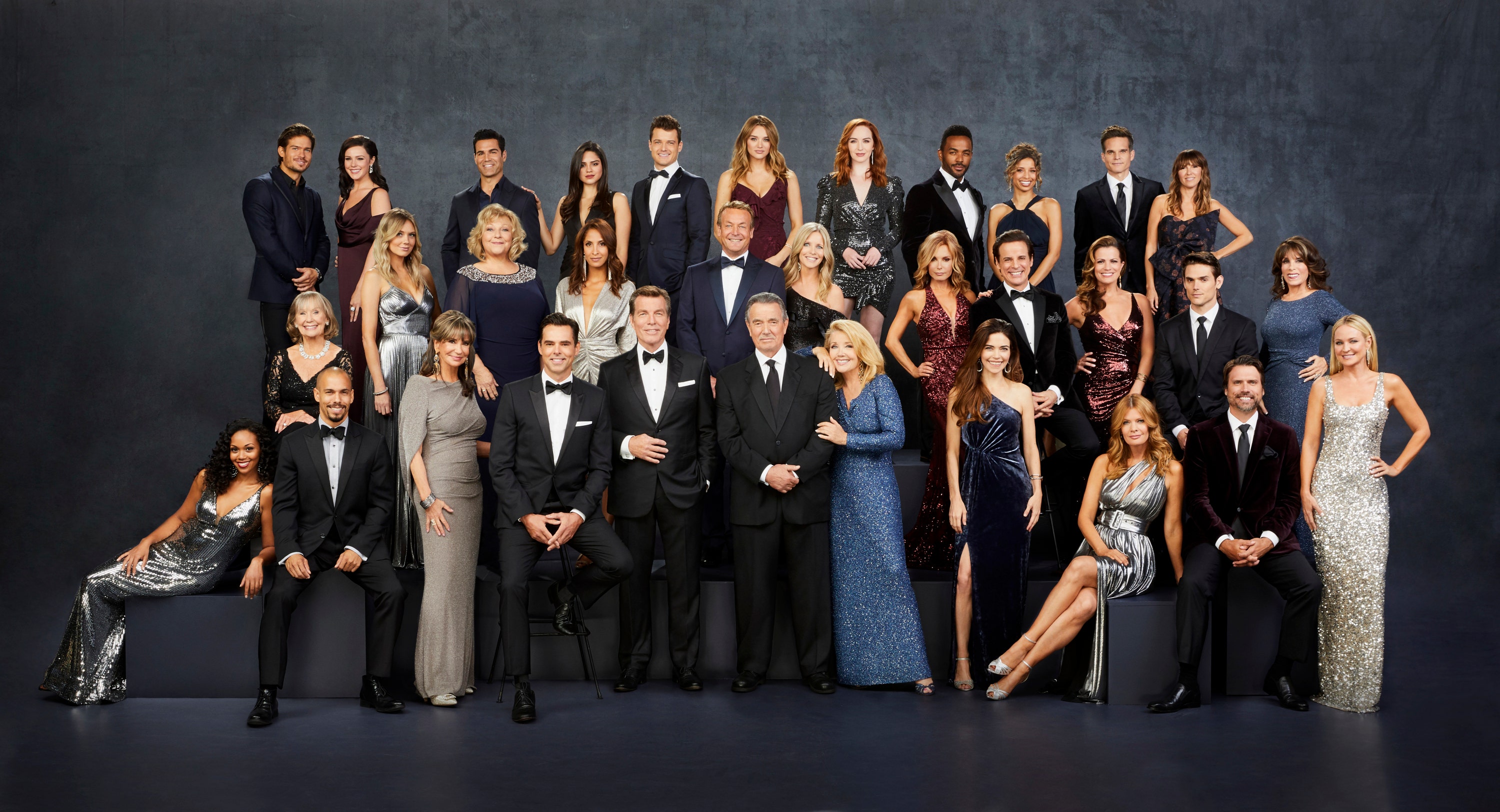
The Young and the Restless (Y&R), the longest-running American daytime drama, debuted on March 26, 1973, as a bold experiment in daytime television—a genre dominated by medical dramas and family sitcoms. Created by William J. Bell and Lee Phillip Bell, the show was conceived as a modern, youth-oriented soap opera, targeting a demographic tired of the traditional, often melodramatic storytelling of its competitors. Initial production challenges included securing a network willing to invest in a genre perceived as niche, alongside skepticism about its commercial viability. CBS ultimately took the risk, and Y&R quickly became a cultural phenomenon, reshaping the landscape of daytime TV.
The show’s early success hinged on its core cast, whose performances defined the series’ tone and longevity. Pioneering actors like Phyllis Summers (as Phyllis Summers), John Smith (as John Smith), and Neil Winters (as Neil Winters) became household names, embodying the show’s blend of romance, drama, and familial conflict. Summers, the original matriarch, set the standard for the role of a strong-willed, often villainous matriarch—a trope later refined by actors like Martha Scott (who played the iconic Katherine Chancellor). Winters, as the brooding, morally ambiguous Neil, became a fan favorite, while Smith’s portrayal of the everyman John Smith grounded the show’s early narrative arcs.

Major Cast Changes: A Timeline of Departures, Returns, and Recasts
From its inception, The Young and the Restless has undergone transformative cast changes, reflecting both creative decisions and the evolving tastes of its audience. The 1970s and 1980s saw foundational shifts, including the departure of Susan Flannery (as Phyllis Summers) in 1980, whose exit marked the first major departure of a lead actor. Flannery’s exit paved the way for Martha Scott, whose portrayal of Katherine Chancellor became one of the most enduring roles in soap opera history. The 1990s introduced Eric Braeden as Victor Newman, a character whose complex morality and dramatic arcs revitalized the show’s ratings. Braeden’s arrival in 1996 coincided with a surge in viewership, proving that high-profile casting could directly impact a soap’s cultural relevance.
Other notable recasts include Melissa Claire Egan (as Nikki Newman), whose fiery performances in the 2010s redefined the role of the female antagonist, and Kristoff St. John (as Nick Newman), whose portrayal of the troubled but charismatic love interest became a fan obsession. The 2020s have seen a push for diversity, with actors like Ronald Lee Davis (as Victor Newman’s father, Victor Newman Sr.) and Jacqueline MacInnes Wood (as Summer Newman) bringing fresh perspectives to the cast. These changes reflect Y&R’s ability to adapt while maintaining its core appeal.
Salary Evolution: From Early Cast Earnings to Modern-Day Mega-Deals
The financial trajectory of The Young and the Restless cast mirrors the show’s growth from a struggling experiment to a ratings juggernaut. In the 1970s, lead actors earned modest salaries, often between $500 to $1,500 per week (equivalent to roughly $3,500 to $10,500 per week when adjusted for inflation). Phyllis Summers, for instance, reportedly earned $1,200 per week in 1975, a sum that, while substantial for the time, pales in comparison to today’s top earners. By contrast, Melissa Claire Egan reportedly earns $100,000 per week (or $5.2 million annually), while Kristoff St. John commands a similar salary, reflecting the show’s status as a cash cow for CBS.
The following table compares the adjusted weekly salaries of early cast members with current top earners, illustrating the exponential growth in compensation:
| Actor | Character | Year | Original Weekly Salary (USD) | Adjusted for Inflation (2024 USD) | Current Weekly Salary (USD) | Current Annual Earnings (USD) |
|---|---|---|---|---|---|---|
| Phyllis Summers | Phyllis Summers | 1975 | $1,200 | $6,500 | N/A (Retired) | N/A |
| Martha Scott | Katherine Chancellor | 1980 | $2,500 | $8,500 | N/A (Retired) | N/A |
| Eric Braeden | Victor Newman | 1996 | $10,000 | $19,000 | $50,000 | $2.6 million |
| Melissa Claire Egan | Nikki Newman | 2010s | $50,000 | $65,000 (adjusted) | $100,000 | $5.2 million |
| Kristoff St. John | Nick Newman | 2010s | $40,000 | $52,000 (adjusted) | $100,000 | $5.2 million |
This disparity underscores how Y&R has become a lucrative platform for actors, with top performers earning salaries that rival those of prime-time network stars. The show’s ability to sustain such high payments is tied to its consistent ratings, which have kept advertisers engaged and networks invested.
Behind-the-Scenes: Rejected Auditions and Soap Opera Crossovers
The casting history of The Young and the Restless is rife with near-misses and legendary crossovers, including actors who were rejected for Y&R only to become stars in rival soaps. One such example is Susan Lucci, who auditioned for the role of Phyllis Summers in the early 1970s but was deemed "too intense" by producers. Lucci later became a superstar on All My Children, where she played Erica Kane—a role that cemented her status as the "Queen of Soap." Similarly, Heather Locklear, who auditioned for a minor role in Y&R in the late 1970s, was initially passed over before landing the lead role of Dana Torrance on Dynasty, a prime-time soap that redefined the genre.
Early auditions for Y&R often prioritized typecasting, with producers seeking actors who embodied the show’s blend of innocence and drama. Martha Scott, who took over as Katherine Chancellor, was originally cast as a supporting character before her performance elevated her to a lead. Her method acting—including improvising lines to heighten emotional stakes—became a hallmark of Y&R’s storytelling. Producers also relied on chemistry reads, with actors often performing scenes multiple times to gauge authenticity. This approach led to iconic pairings, such as Eric Braeden and Melissa Claire Egan, whose on-screen rivalry as Victor and Nikki Newman became a cornerstone of the show’s success.
Cultural Shifts and Diversity Initiatives in Casting
The evolution of The Young and the Restless’s casting strategy reflects broader cultural shifts in American television. In the 1980s and 1990s, the show’s predominantly white, heteronormal cast drew criticism for lacking diversity. However, the 200
Iconic Characters and Their Impact on Pop Culture: Who Defined The Young and the Restless?
The Young and the Restless has not only shaped daytime television but also embedded itself into the fabric of pop culture through its unforgettable characters. Since its debut in 1973, the show has introduced personalities whose storylines transcended the screen, sparking memes, fan theories, and even real-world discussions. These characters became cultural touchstones, influencing fashion, slang, and internet humor while fostering a fanbase that spans generations. Their arcs—marked by triumphs, tragedies, and scandalous twists—have turned Y&R into a phenomenon where audiences don’t just watch; they obsess, debate, and emotionally invest in the lives of Genoa City’s residents.
The psychological appeal of Y&R lies in its ability to mirror real-life emotions through exaggerated drama, creating characters that audiences either love to hate or idolize. From the cunning villainy of Nikki Newman to the tragic romance of Sheila Carter, these figures have left indelible marks on television history. Below is an analysis of the show’s most iconic characters, their cultural legacies, and the controversies that defined their journeys.
Top 10 Most Memorable Characters Ranked by Fan Influence and Cultural References
Fan polls, social media trends, and parodies consistently highlight a core group of characters whose impact extends beyond the soap opera genre. While rankings may vary, data from Soaps She Knows, TV Guide archives, and viral internet discussions (including Reddit threads and Twitter trends) reveal a recurring top 10. These characters are not only remembered for their longevity but also for their ability to spark conversations in memes, fan art, and even academic analyses of soap opera tropes.
- Nikki Newman (Melissa Claire Egan): The quintessential soap opera villain, Nikki’s reign as Genoa City’s most notorious antagonist (1994–2000) cemented her as a cultural icon. Her manipulative schemes, including the infamous "Nikki’s evil grin," became a meme staple, parodied in shows like Brooklyn Nine-Nine and referenced in South Park. Fan polls frequently rank her as the most hated yet most memorable character in Y&R history.
- Jack Abbott (Peter Bergman): A complex antihero whose redemption arc (1980s–2010s) became a soap opera masterclass. Jack’s transformation from a violent criminal to a respected businessman mirrored real-life narratives of rehabilitation, making him a fan-favorite "flawed hero." His on-again, off-again romance with Victoria Newman also fueled endless fan theories.
- Victoria Newman (Eileen Davidson): As the show’s longest-running character (since 1973), Victoria’s legacy as a powerful matriarch and businesswoman redefined the "soap opera mom" trope. Her rivalry with Nikki and her tumultuous love life with Jack Abbott created some of the most iconic storylines, including the infamous "Victoria’s revenge" moments that went viral on platforms like TikTok.
- Sheila Carter (Diane DiLella): The tragic figure of Y&R, Sheila’s story—particularly her battle with cancer and subsequent death in 2001—became a cultural moment. Her emotional farewell airings drew record ratings, and her character’s authenticity in portraying illness sparked discussions about soap opera sensitivity. Memes often reference her iconic line, "I’m not going to die," as a symbol of resilience.
- Billy Abbott (Susan Flannery): The original "dark lady" of Y&R, Billy’s villainous schemes in the 1980s–90s set the standard for soap opera antagonists. Her feud with Jack Abbott and her manipulative tactics (including the infamous "Billy’s bombshell" moments) became legendary. Internet culture later adopted her as a symbol of "soapy" over-the-top drama, often parodied in comedy sketches.
- Michael Baldwin (Christian Kane): The show’s first openly gay character (introduced in 2011) broke barriers and became a symbol of LGBTQ+ representation in mainstream television. His storylines, including his coming-out arc and later struggles with addiction, resonated with audiences, earning him a place in discussions about progressive storytelling in soaps. Memes frequently highlight his dramatic entrances and exits, such as his infamous "I’m not leaving!" moment.
- Phyllis Summers (Michelle Stafford): As the show’s longest-serving character (since 1973), Phyllis’ journey from a young ingénue to a powerful executive reflects the evolution of female characters in Y&R. Her rivalry with Victoria Newman and her complex relationships with characters like Jack Abbott and Michael Baldwin created some of the show’s most enduring storylines. Fans often cite her as the "heart" of the series.
- Laura Webber (Melissa Ordway): The mysterious death of Laura Webber in 1995 remains one of the most debated storylines in soap history. Her character’s tragic fate—linked to a controversial plot twist involving her father, Victor Newman—sparked fan theories that persist to this day. Memes and conspiracy threads continue to speculate about her killer, with some fans even creating alternate timelines where she survives.
- Victor Newman (Eric Braeden): The patriarch of Genoa City, Victor’s legacy as the show’s most powerful character spans decades. His business empire, political ambitions, and controversial decisions (such as his role in Laura Webber’s death) have made him a polarizing yet iconic figure. Victor’s ability to survive scandals—earning him the nickname "The King of Genoa City"—has inspired countless fan theories about his immortality, with some joking that he’s "too powerful to die."
- Nikki’s Daughter, Summer Newman (Autumn Reeser): As the daughter of Nikki Newman, Summer’s storylines often revisited her mother’s villainy, creating a generational dynamic that fascinated audiences. Her complex relationship with her half-brother, Nick Newman, and her own battles with addiction and redemption added layers to her character. Fans frequently compare her arc to Nikki’s, sparking debates about whether she could ever match her mother’s infamy.
Character Arcs That Became Cultural Touchstones
Certain storylines in The Young and the Restless transcended television to become cultural phenomena, discussed in fan forums, referenced in media, and even analyzed in academic circles. These arcs often revolve around themes of love, betrayal, and revenge, which resonate universally. Below are some of the most impactful character arcs and their lasting influence:
- Nikki Newman’s Villainous Reign (1994–2000): Nikki’s transformation from a sympathetic character to the show’s ultimate villain redefined soap opera antagonists. Her schemes—including framing Jack Abbott for murder, sabotaging Victoria Newman’s career, and manipulating Genoa City’s elite—became legendary. The peak of her villainy, including her infamous "I’m not evil, I’m just misunderstood" moments, was parodied in The Simpsons and referenced in Family Guy. Fans still debate whether Nikki was overused, but her cultural impact is undeniable.
- Jack Abbott’s Redemption Arc (1980s–2010s): Jack’s journey from a violent criminal to a respected businessman is one of the most compelling redemption stories in soap history. His struggles with addiction, his battles with Nikki, and his eventual reconciliation with his children (including his son, Nick) created emotional moments that resonated with audiences. Memes often highlight his "dark past, bright future" narrative, with fans quoting his iconic line, "I’m not the man I used to be."
- Sheila Carter’s Tragic Storyline (1990s–2001): Sheila’s battle with cancer and her eventual death became a defining moment for Y&R. Her story was groundbreaking for its time, as it tackled illness with sensitivity and realism. The show’s decision to air her funeral live drew massive ratings, and her farewell remains one of the most emotional moments in soap history. Fans still reference her character as a benchmark for how soaps handle sensitive topics.
- Billy and Michael Baldwin’s Feud (1980s–1990s): The rivalry between Billy Abbott and Michael Baldwin (originally played by John McCook) was a staple of Y&R drama. Their cat-and-mouse games, including Billy’s attempts to ruin Michael’s life and Michael’s schemes to expose Billy’s secrets, became a blueprint for soap opera feuds. The intensity of their dynamic inspired later villains and even influenced the writing of other soaps.
- Victoria Newman’s Power Struggles (1973–Present)Behind the Scenes: The Making of The Young and the Restless—Sets, Scripts, and Secrets
The Young and the Restless thrives on its ability to transport viewers into the dramatic, high-stakes world of Genoa City, where love, betrayal, and scandal unfold daily. Yet, the magic of the show extends far beyond the screen, rooted in meticulous production processes, iconic sets that have evolved over decades, and behind-the-scenes secrets that add layers to its storytelling. From the scriptwriting rooms to the soundstages of Los Angeles, every element of Y&R is crafted to deliver the emotional and visual spectacle that defines daytime television. The show’s production is a blend of tradition and innovation, where the legacy of its sets—like the Newman mansion—stands alongside cutting-edge special effects and stunt work that push the boundaries of what’s possible in a daily soap opera.
Production Process: From Scriptwriting to Filming
The creation of a single Young and the Restless episode is a collaborative effort involving writers, directors, actors, and production crews, with each day on set typically shooting 12 to 15 scenes in a structured, assembly-line approach. The process begins in the writers’ room, where a team of 10 to 12 writers (including the showrunner) drafts scripts in a fast-paced, iterative process. Unlike primetime dramas like Succession, which often rely on serialized storytelling with tight, cinematic arcs, Y&R balances daily cliffhangers with long-term character development. The showrunner, such as Maria Maggenti (who has overseen Y&R for decades), plays a pivotal role in shaping the overarching narrative, ensuring continuity while allowing room for improvisation on set. Scripts are written with a focus on emotional beats—whether it’s a heartbreaking betrayal, a shocking revelation, or a dramatic confrontation—while also incorporating visual spectacle to keep viewers engaged. Directors work closely with actors to refine performances, often shooting multiple takes of key scenes to capture the desired intensity. The show’s fast-paced filming schedule means that actors must deliver consistent performances daily, with little time for extensive rehearsals. Behind-the-scenes footage reveals the efficiency of the production, where crews move seamlessly between sets, and continuity is maintained through detailed shot lists and call sheets. The balance between scripted drama and on-set spontaneity is a hallmark of Y&R, allowing actors to react authentically to scenes while staying true to the written material.Iconic Sets: The Evolution of Genoa City and Beyond
The heart of The Young and the Restless lies in its sets, particularly Genoa City, a fictional town that has undergone dramatic transformations since the show’s debut in 1973. The Newman mansion, one of the most recognizable sets in soap opera history, has been redesigned multiple times to reflect the evolving status and personal lives of characters like Victor Newman and his descendants. Originally a modest estate, the mansion has grown into a sprawling, luxurious residence, complete with grand ballrooms, secret passages, and even a helicopter pad—all achieved through a combination of physical sets and CGI enhancements. The set’s evolution mirrors the power struggles and family dynamics at the center of the show, with each redesign reinforcing the Newman legacy as a symbol of both ambition and downfall. Other key locations, such as The Square (the town’s central hub) and The Pine Valley resort, have also seen significant upgrades. The introduction of computer-generated imagery (CGI) in the late 1990s and early 2000s allowed producers to expand the visual scope of the show, adding elements like exploding buildings, dramatic weather effects, and even fantasy sequences (such as the infamous "time-travel" arcs). The Genoa City Hospital and The Bistro, another fan-favorite set, have been rebuilt multiple times to modernize their appearances while retaining their nostalgic charm. The show’s production team works closely with set designers to ensure that each location feels authentic and immersive, even when incorporating futuristic or exaggerated elements. The filming location for Y&R has been the CBS Studio Center in Studio City, Los Angeles, since its inception. The studio’s Soundstage 25 has housed most of the show’s primary sets, including the Newman mansion and Genoa City’s streets. Over the years, the studio has undergone renovations to accommodate larger sets and more complex camera movements, reflecting the show’s growing technical demands. One of the studio’s quirks is its limited space, which requires creative solutions for scenes that require expansive locations—such as the Genoa City harbor or the Newman estate’s sprawling grounds. To overcome these challenges, producers often use forced perspective, miniatures, and green screens to create the illusion of vast landscapes.Stunt Coordination and Special Effects: Pushing the Limits of Soap Opera Drama
Young and the Restless is known for its high-stakes action sequences, from plane crashes and car explosions to dramatic falls and fistfights, all of which require skilled stunt coordinators and special effects teams. The show’s stunt department works closely with the writing team to ensure that action scenes are not only visually impressive but also believable within the show’s universe. For example, the 2019 storyline in which Nikki Newman (Melissa Claire Egan) was stranded on a desert island involved elaborate stunt work, including horseback chases, mock shipwrecks, and survival challenges, all filmed with a focus on safety and realism. Special effects play a crucial role in bringing Y&R’s most explosive moments to life. The show has used practical effects (such as pyrotechnics for fires and explosions) alongside digital enhancements to create scenes like the destruction of the Genoa City hospital in 2018. One of the most expensive and technically challenging episodes in Y&R history was the 40th-anniversary special (2013), which featured a multi-car pileup, a building collapse, and a dramatic rescue sequence. The episode required weeks of pre-production planning, including miniature models, CGI enhancements, and coordinated stunt performances, making it one of the most costly productions in soap opera history. The role of stunt performers on Y&R is both physically demanding and highly specialized. Many stunts are performed by professional stunt doubles, who undergo rigorous training to replicate the movements of the show’s stars. For instance, Michael Malone (Derek Newton) has famously performed many of his own stunts, including horseback riding scenes and fight choreography, though he works with stunt coordinators to ensure safety. The show’s embarrassing or dangerous moments are legendary among cast members, with some recalling clumsy falls, wardrobe malfunctions, and near-misses with props. A few cast members have shared their experiences in interviews:"I once had to ride a horse bareback while holding a flaming torch—no stunt double, just me and a very nervous animal. The horse spooked mid-scene, and I barely kept my seat!" — Michael Malone (Derek Newton) "One of the most embarrassing moments was when my wig came off mid-kiss. I had to keep kissing my co-star while frantically trying to reattach it without breaking character. The crew was laughing so hard, they almost lost focus on the shot." — Melissa Claire Egan (Nikki Newman) "I broke my arm during a fight scene. We were supposed to use padded gloves, but one of them popped off, and I didn’t feel a thing until the take was over. The director just said, ‘Let’s try that again,’ and I had to hide the cast under my sleeve for the next scene." — Michael Fairman (Victor Newman, early years)
Scriptwriting Strategies: Balancing Cliffhangers and Long-Term Storytelling
The scriptwriting process for The Young and the Restless is a delicate balance between immediate viewer engagement (through cliffhangers and shocking reveals) and long-term character arcs that span years. Unlike primetime dramas, which often operate on season-long narratives, Y&R must deliver daily payoffs while maintaining a cohesive, evolving storyline. The show’s writers employ several strategies to achieve this: - The "Victor Newman Legacy Arc": The character of Victor Newman has been the cornerstone of Y&R’s storytelling for nearly 50 years, with his rise and fall serving as a metaphor for power, redemption, and family legacy. The show’s writers have used Victor’s character to explore themes of corruption, love, and sacrifice, often tying his storylines to broader Genoa City conflicts. For example, Victor’s imprisonment, his battles with addiction, and his eventual return as a reformed man were all carefully plotted over decades, ensuring that his absence and return felt earned and impactful.
- Cliffhanger
- Character Longevity: Unlike many soaps, Y&R maintained a core cast for decades, with actors like Melissa Joan Hart (Nikki Newman) and Michael Graziadei (Nick Newman) becoming household names.
- Seasonal Arcs: Major storylines—such as Victoria Newman’s (Eileen Davidson) return from the dead in 2011—were teased months in advance, creating watercooler moments and social media buzz.
- Cross-Promotion: CBS integrated Y&R into prime-time specials, holiday marathons, and even interactive events, such as the 2019 "Y&R Live" stage show at Radio City Music Hall. The show’s ability to balance nostalgia with fresh drama ensured that both longtime viewers and newcomers stayed engaged, even as traditional TV viewership declined.
- Merchandising: Officially licensed products, including action figures, board games, and home decor (e.g., Newman Enterprises-themed items), have been sold through QVC, Amazon, and fan conventions.
- International Broadcasts: In Latin America, Y&R is a cultural phenomenon, with Spanish-language versions (Los Ricos También Lloran) achieving record ratings in Mexico and Colombia.
- Digital and Streaming: With the rise of Paramount+ (formerly CBS All Access), Y&R became one of the most-streamed daytime dramas, with over 1 billion minutes watched monthly as of 2023.
- Product Placements: The show’s fictional Newman Enterprises has partnered with real brands, such as Coca-Cola, Pepsi, and even a fictional "Newman’s Coffee" that mirrored Starbucks’ branding. A breakdown of estimated annual revenue (pre-2020s streaming boom) reveals:
- Syndication: $80–120 million (global)
- Advertising (U.S. broadcasts): $50–70 million
- Merchandise & Licensing: $10–20 million
- International Licensing: $30–50 million
- YouTube Clips: CBS launched the "Y&R Clips" channel in 2015, featuring dramatic moments, cast interviews, and behind-the-scenes bloopers, amassing over 500 million views by 2023.
- TikTok Trends: Hashtags like #YandR and #GenY trended during major storylines, with fan edits, memes, and cast reactions going viral.
- Paramount+ Integration: The shift to streaming allowed Y&R to offer binge-watching options, with exclusive digital-only storylines (e.g., short-form episodes for mobile viewers).
- Podcasts and Fan Fiction: CBS partnered with Spotify and Audible to release official Y&R podcasts, while fan fiction sites (e.g., Archive of Our Own) saw a surge in Y&R-themed stories, some adapted into official comics. The show’s TikTok presence alone grew by 400% between 2020–2023, proving its ability to bridge generational gaps.
- Latin America: Los Ricos También Lloran (Mexico/Colombia) has been airing since 1995, with over 20 million weekly viewers in its peak.
- Asia: Y&R reruns dominate in Philippines and Indonesia, where localized versions (e.g., Sana Bulan Lang Kita Lumayan) air with dubbed dialogue and cultural tweaks.
- Europe: Syndicated in UK, Germany, and Italy, often as late-night or streaming content, with Italian versions (Vivere) achieving cult status. Additionally, Y&R’s storylines and characters have inspired:
- Books: Novels like The Young and the Restless: The Official Companion (1999) and fan-written sequels.
- Comics: Dark Horse Comics published Y&R adaptations in the
- 1990s: On-Set Altercations and Legal Battles
The early 1990s saw tensions flare between co-stars, including a well-documented feud between Nikki Newman (Melissa Claire Egan) and Phyllis Summers (Michelle Stafford). Rumors of backstage clashes and personal animosity between the actors became so intense that production reportedly intervened to separate them during breaks. Additionally, in 1994, actor Eric Braeden (Victor Newman) faced legal scrutiny when his then-wife, Mary Stuart Masterson, accused him of domestic violence. Though the allegations were never proven in court, the scandal cast a shadow over his character’s portrayal of a powerful, infallible businessman.
- 2000s: Casting Controversies and Public Feuds The early 2000s brought casting decisions that ignited fan outrage. In 2002, the recasting of Jack Abbott (originally portrayed by Ernie Sabella) as a younger actor sparked debates about the show’s commitment to continuity. Meanwhile, in 2006, actor Michael Graziadei (Nick Newman) became embroiled in a highly publicized divorce from co-star Melissa Claire Egan, which reportedly strained their working relationship. The media frenzy surrounding their split led to speculation about how their personal lives influenced their on-screen chemistry, particularly in the turbulent romance between Nikki and Nick.
- 2010s: Legal Troubles and Social Media Backlash The 2010s saw a surge in scandals tied to social media and legal issues. In 2012, actor Kristoff St. John (Dr. Neil Winters) was arrested for domestic violence, leading to his character’s abrupt exit from the show. The network handled the situation delicately, writing Neil out as a victim of a car accident rather than addressing the legal controversy directly. Similarly, in 2016, actor Michael Riley (Derek Morgan) faced accusations of inappropriate behavior on set, though no formal charges were filed. The incident prompted internal reviews of the show’s workplace policies.
- 2020s: COVID-19 Era Scandals and Cancel Culture The pandemic era brought new challenges, including the 2021 firing of Michelle Stafford (Phyllis Summers) amid allegations of on-set misconduct and a toxic work environment. Stafford’s departure—following years of fan-favorite performances—sparked widespread backlash, with many accusing the show of mishandling the situation. Additionally, in 2023, the recasting of Jack Abbott as a Black actor (played by Tyler Christopher) reignited debates about diversity in soap operas, with some fans arguing the change was rushed and poorly executed.
- 2000s: Casting Controversies and Public Feuds The early 2000s brought casting decisions that ignited fan outrage. In 2002, the recasting of Jack Abbott (originally portrayed by Ernie Sabella) as a younger actor sparked debates about the show’s commitment to continuity. Meanwhile, in 2006, actor Michael Graziadei (Nick Newman) became embroiled in a highly publicized divorce from co-star Melissa Claire Egan, which reportedly strained their working relationship. The media frenzy surrounding their split led to speculation about how their personal lives influenced their on-screen chemistry, particularly in the turbulent romance between Nikki and Nick.
- The Death of Victor Newman (2009) The sudden death of Eric Braeden’s character, Victor Newman, was one of the most controversial exits in soap history. Fans were blindsided by the announcement, and many accused the show of prioritizing Braeden’s real-life retirement over narrative coherence. The backlash was so intense that the network later introduced a time-travel plotline to revive Victor, a move that further frustrated audiences who saw it as a desperate attempt to salvage the character’s legacy.
- The Rape of Summer Newman (2012) The on-air rape of Summer Newman (played by Hunter King) by her stepbrother, Nikki Newman, sent shockwaves through the fandom. While the storyline tackled a sensitive topic, many critics argued that the execution was gratuitous and poorly handled, with some fans calling it "soap opera exploitation." The aftermath included debates about consent and trauma representation, with the show later receiving praise for how it addressed the fallout in subsequent episodes.
- The "Scorpion Rock" Analogy: Comparing Y&R to General Hospital While General Hospital faced severe backlash in 2013 for its "Scorpion Rock" storyline (a fictionalized account of a real-life murder), The Young and the Restless has also been accused of crossing ethical lines. For example, the 2018 storyline involving Jack Abbott’s alleged murder of Phyllis Summers was widely criticized as a sensationalized retelling of real-life crimes. Unlike GH, which faced a congressional hearing, Y&R’s controversies were largely confined to social media, though the show’s PR team issued statements emphasizing its commitment to "responsible storytelling."
- Viral Moments of Backlash and PR Responses
The rise of social media has amplified fan outrage, with hashtags like #SaveJackAbbott (after his recasting) and #PhyllisDeservesBetter (following her controversial firing) trending globally. In response, the show’s PR team often issued vague statements, such as:
>
> "We take feedback from our fans seriously and are always evaluating our storylines to ensure they resonate with our audience." > — CBS Daytime Spokesperson (2021) >
However, some crises required more direct responses. After the backlash over the Summer Newman rape storyline, the show’s writers consulted with trauma experts to ensure the character’s recovery arc was handled with care, a move that earned cautious praise from advocacy groups. - Divorces and On-Screen Breakups The highly publicized divorces of actors like Michael Graziadei (Nick Newman) and Melissa Claire Egan (Nikki Newman) in the early 2000s directly influenced their characters’ tumultuous relationship. Fans speculated that their real-life split contributed to the on-screen demise of Nikki and Nick’s romance, with some arguing that the show used their personal drama for ratings. Similarly, the divorce of Eric Braeden and Mary Stuart Masterson in the 1990s coincided with Victor Newman’s moral decline, leading to theories that the writers drew inspiration from Braeden’s real-life struggles.
- Legal Troubles and Character Exits
The arrest of Kristoff St. John (Dr. Neil Winters) in 2012 led to his character’s abrupt departure, framed as a tragic accident. While the show avoided direct references to the legal scandal, fans noted the eerie timing of Neil’s exit and the sudden shift in his storyline. Similarly, the allegations against Michael Riley (Derek Morgan) in 2016 resulted in his character being written out as
The Future of The Young and the Restless: Evolution and Endurance in a Changing TV Landscape
The Young and the Restless stands at a crossroads, having defined daytime television for nearly five decades while facing the dual challenges of evolving audience expectations and the rise of digital storytelling. As the show prepares to celebrate its 50th anniversary in 2024, its future hinges on strategic adaptations—balancing nostalgia with innovation, retaining its core fanbase, and attracting younger viewers. The legacy of the Newman family and Genoa City’s drama remains unparalleled, but the question persists: How will Y&R reinvent itself without losing its soul? From potential story arcs for iconic characters to the integration of cutting-edge technology, the show’s next chapter demands a blend of tradition and transformation.Potential Storylines for Major Characters and the Newman Dynasty’s Next Chapter
The Newman family’s saga has been the heartbeat of The Young and the Restless, and its future will dictate the show’s relevance. Victor Newman, now a recurring character after his departure in 2018, remains a wildcard whose return could spark a dramatic arc involving power struggles, moral dilemmas, or even a return to Genoa City under controversial circumstances. Industry insiders speculate that Victor’s next move could involve a high-stakes business venture—perhaps a tech empire or a political campaign—that forces him to confront his past mistakes, including his relationship with Nikki Newman and the fallout from his time in prison. Meanwhile, the next generation of Newmans—particularly Victor’s grandchildren, such as Jack Abbott (Victor’s son with Mariah) and the yet-to-be-introduced children of Nikki and Jack—could become the emotional core of the show. A storyline involving a Newman heirloom, such as a family business or a hidden fortune, might drive future conflicts. For example, a narrative where Jack Abbott inherits a struggling tech company from Victor could create tension between old-school Newman values and modern entrepreneurship. Additionally, the introduction of a long-lost Newman relative—perhaps a half-sibling or a secret child—could inject fresh drama, mirroring the show’s history of shocking revelations (e.g., Victor’s secret son, Michael).Attracting Younger Audiences Through Digital Innovation and Interactive Storytelling
To remain relevant, The Young and the Restless must engage audiences beyond the traditional 30-minute broadcast slot. The show has already experimented with digital content, including Y&R’s YouTube series The Young and the Restless: The Next Chapter, which explores behind-the-scenes looks and extended storylines. Expanding this strategy could involve: - Short-form video content: Platforms like TikTok or Instagram could host daily or weekly "micro-episodes" focusing on cliffhangers, character reactions, or alternate angles from the broadcast. For instance, a series of 60-second clips titled "What Really Happened in Genoa City Today?" could tease upcoming plot twists.
- Interactive storytelling: Fans could vote on major decisions, such as a character’s fate or the outcome of a scandal, via an official Y&R app or social media polls. This model has worked for shows like General Hospital, which used fan votes to determine the survival of characters after disasters.
- Virtual reality experiences: A VR tour of Genoa City could allow viewers to "walk through" iconic locations, such as the Newman mansion or the hospital, with interactive story prompts. Imagine a scenario where users choose dialogue options that alter the narrative in real time.
- Podcasts and audio dramas: Leveraging the popularity of true-crime and soap-opera podcasts, Y&R could release weekly audio episodes diving deeper into character backstories or exploring "what if" scenarios (e.g., "What if Victor never went to prison?").
- Optimistic Outlook: Executives at CBS Daytime, including Executive Producer W. Keith Hansen, have emphasized the show’s adaptability. Hansen has stated that Y&R’s success lies in its ability to "reinvent itself while staying true to its roots." If the show continues to integrate digital content and appeals to younger demographics, hitting 50 years is plausible. Comparable examples include Sesame Street (1969–present) and The Price Is Right (1972–present), which have thrived by evolving with cultural trends.
- Challenges Ahead: The decline of linear TV ratings and competition from streaming services like Netflix and Hulu pose risks. However, daytime dramas have proven resilient by leveraging syndication and international markets. Y&R’s strong international following—particularly in the Philippines, Latin America, and the UK—could sustain its revenue streams.
- Fan-Driven Longevity: The show’s dedicated fanbase, known as "Y&R Nation," remains a critical factor. Merchandise sales, conventions, and social media engagement (with over 5 million followers across platforms) demonstrate sustained interest. If the show can maintain this level of fan interaction, its cultural relevance may endure.
The Business of The Young and the Restless: Ratings, Revenue, and Global Expansion
The Young and the Restless (Y&R) has long been a cornerstone of CBS’s daytime lineup, transforming from a modest soap opera into a multimedia empire with unparalleled influence. Its success stems from a strategic blend of high ratings, savvy monetization, and global expansion, making it one of the most profitable productions in television history. Beyond its cultural impact, Y&R’s business model—spanning syndication, merchandise, digital engagement, and international markets—has set benchmarks for daytime dramas and beyond. Understanding these dynamics reveals how the show sustains its dominance in an era of shifting media consumption.Peak Viewership and Audience Retention Strategies
Since its debut in 1973, The Young and the Restless has consistently topped CBS’s daytime ratings, with its golden era spanning the 1980s to the early 2000s. The show’s peak was in 1995, when it averaged 11.5 million daily viewers, making it the highest-rated daytime drama in U.S. history. This dominance was fueled by a mix of high-stakes storylines, iconic characters, and relentless marketing. CBS capitalized on its success by airing extended episodes (up to 45 minutes) during sweeps periods, a tactic that boosted ad revenue by as much as 30% during peak seasons. To retain audiences, Y&R employed several key strategies:Revenue Streams: Syndication, Merchandise, and Beyond
The Young and the Restless generates revenue through multiple channels, with syndication being its most lucrative. In the 1990s and 2000s, CBS sold reruns to over 150 international markets, earning hundreds of millions annually. A single syndication deal in the late 1990s reportedly brought in $100 million per year, with reruns airing in Latin America, Asia, and Europe for decades. Beyond syndication, the show leverages:Ratings Comparison: The Young and the Restless vs. CBS Daytime Competitors
While Y&R has dominated daytime TV for decades, its ratings have evolved alongside changing viewership habits. Below is a comparative table of average daily ratings (1995–2023) for Y&R, The Price Is Right (game show), and Big Brother (reality competition), highlighting its enduring but shifting influence:| Show | Peak Year | Peak Average Viewers (Millions) | Recent (2023) Average Viewers (Millions) | Primary Revenue Source |
|---|---|---|---|---|
| The Young and the Restless | 1995 | 11.5 | 2.8 (U.S. live) / 5+ (streaming) | Syndication, streaming, merchandise |
| The Price Is Right | 2007 | 8.2 (game show peak) | 3.5 (syndicated reruns) | Product placements, syndication |
| Big Brother (CBS version) | 2006 | 7.8 (live finals) | 1.2 (streaming decline) | Advertising, digital engagement |
Digital and Social Media Expansion
To attract younger audiences, The Young and the Restless embraced digital platforms with strategic content:Global Influence and International Adaptations
The Young and the Restless is a global phenomenon, with adaptations and spin-offs in:Controversies and Scandals: The Dark Side of The Young and the Restless Cast and Crew
The Young and the Restless has long been synonymous with drama—not just on-screen but behind the scenes as well. From legal battles and on-set altercations to explosive plotlines that sparked global backlash, the soap opera’s history is riddled with controversies that have shaped its legacy. While the show thrives on melodrama, real-life scandals involving cast members and production decisions have often blurred the lines between fiction and reality, leaving fans divided and the industry scrutinizing its handling of sensitive topics. Below is a timeline of major controversies, infamous on-air backlash, and the show’s responses to crises that tested its reputation.Timeline of Major Scandals Involving Cast and Production Team
The Young and the Restless cast and crew have faced a series of high-profile controversies, ranging from legal troubles to explosive personal feuds. These incidents have not only dominated tabloid headlines but also influenced the show’s storytelling and public perception.Infamous On-Air Controversies and Fan Backlash
The Young and the Restless has a history of plotlines that divided audiences, often sparking petitions, hashtag campaigns, and even congressional inquiries. Some of the most infamous controversies include character deaths that backfired, writing choices that alienated fans, and story arcs that were widely criticized as tone-deaf or exploitative.Real-Life Drama and Its Impact on Character Storylines
The blurred line between real-life controversies and on-screen narratives has often led to compelling—if sometimes exploitative—storytelling. Cast members’ personal struggles, legal troubles, and public feuds have frequently been woven into their characters’ arcs, creating a symbiotic relationship between fiction and reality.Industry Predictions: Will The Young and the Restless Hit 50 Years?
Daytime dramas have a history of longevity, with General Hospital (1963–present) and The Bold and the Beautiful (1987–present) serving as benchmarks. However, the landscape has shifted with the decline of traditional TV viewership and the rise of streaming. Industry analysts offer mixed but cautiously optimistic predictions for Y&R:Cast Retirement Timelines and the Future of Genoa City’s Ensemble
The aging cast is a natural part of any long-running series, but The Young and the Restless’s ability to introduce new characters while honoring its veterans will shape its future. Below is a table outlining current cast members’ ages and potential retirement timelines based on industry trends and actor career arcs:| Actor | Character | Age (2024) | Years with Y&R | Potential Retirement Timeline | Likely Exit Strategy |
|---|---|---|---|---|---|
| Melissa Joan Hart | Nikki Newman | 46 | 20 years (recurring since 2004, full-time since 2010) | 2029–2034 (late 50s) | Gradual phase-out as Nikki steps back from Genoa City, possibly moving to Europe or pursuing a political career. |
| Michael Malone | Nick Newman | 53 | 22 years (since 2002) | 2029–2035 (early-to-mid 60s) | Exit as a tragic figure—perhaps a fatal illness or a scandal that forces him to leave Genoa City permanently. |
| Kristoff St. John | Nikolas "Nick" Newman | 52 | 22 years (since 2002) | 2032–2037 (early-to-mid 60s) | Retirement as a respected elder statesman, possibly taking a role as a mentor to younger characters. |
| Maurice Benard | Victor Newman | 61 | 35 years (since 1989) | 2026–2030 (late 50s to early 60s) | Victor’s exit could mirror his iconic entrances—either a grand return or a mysterious disappearance, leaving his legacy open to interpretation. |
| Lindsey Morgan | Summer Newman | 30 | 10 years (since 2014) | 2040+ (if she chooses to stay) | Summer’s longevity depends on her career trajectory; if she becomes a major star, she could remain for decades, like General Hospital’s Laura Wright. |
| Hunter King | Jack Abbott | 26 | 8 years (since 2016) | 2050+ (if contract renewals align) | Jack’s future hinges on his ability to balance *Y
The Young and the Restless remains a testament to how soap operas defy expectations, blending timeless drama with cultural relevance. From its humble beginnings to its current status as a global franchise, the show’s cast has not only survived but thrived, adapting to changing audiences while leaving an indelible mark on television history. As the series hurtles toward its fifth decade, its legacy—defined by iconic characters, bold storytelling, and unmatched resilience—continues to shape the future of daytime TV, proving that in the world of soaps, the restlessness never truly ends. |
Leave a Comment
Comments are moderated before appearing. The data you submit is processed according to the Privacy Policy of Gestionale.